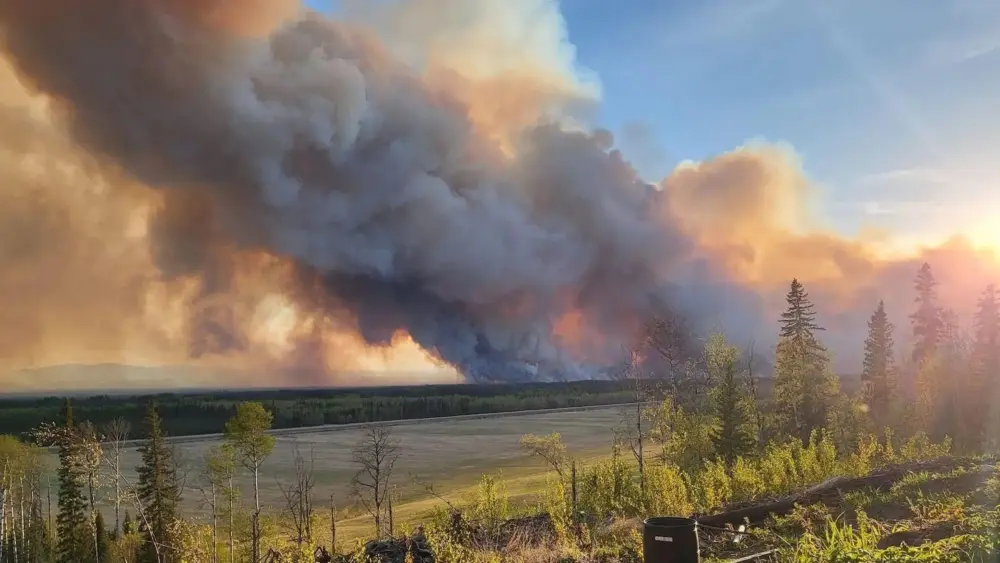
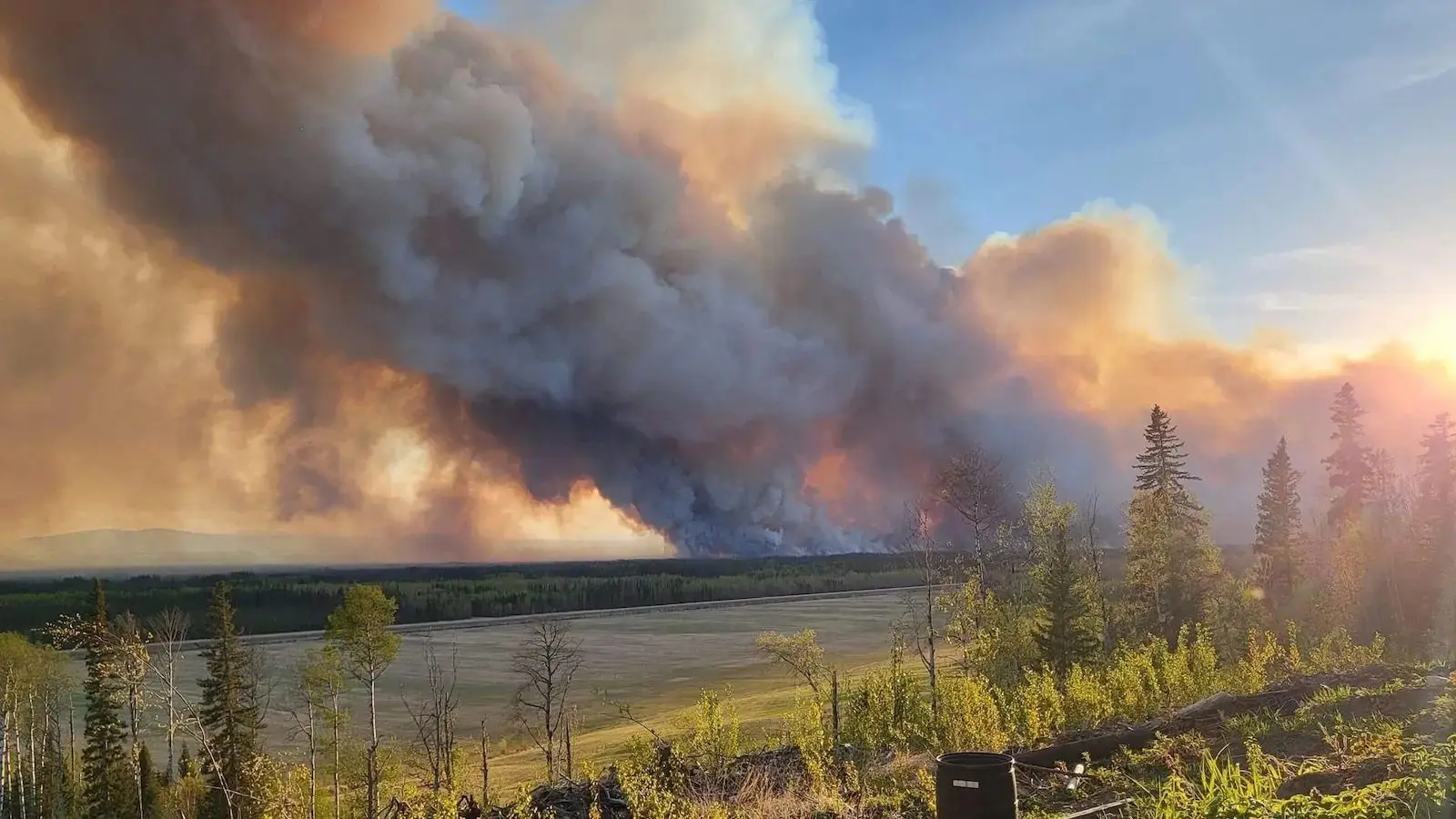
Smoke from massive wildfires burning across several Canadian provinces is once again drifting south, degrading air quality across parts of the United States. On the morning of May 31, levels of smoke particulates ranged from moderate to unhealthy in areas of the Dakotas, Minnesota, Wisconsin, Illinois, Indiana, and Ohio, according to the national air quality map at AirNow.gov. Forecasters in Sioux Falls, South Dakota, said the smoke is expected to continue pushing southward through the Plains.
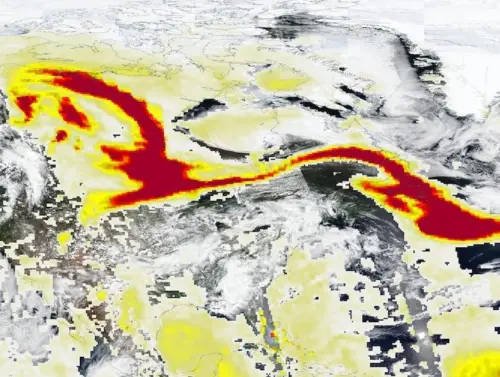
The source of the smoke is a series of fast-moving wildfires in Saskatchewan and Manitoba, where a combination of rising temperatures, gusty winds, and low humidity has fueled the spread of flames across thousands of acres. More than 17,000 people have been forced to evacuate in recent days.
To help battle the crisis, Agriculture Secretary Brooke Rollins announced that the USDA is deploying resources to support wildfire response efforts in several Canadian provinces, including Saskatchewan, Manitoba, Ontario, and Alberta.
In late May, the Canadian Interagency Forest Fire Center raised its preparedness level to the maximum level of 5. In response, the USDA sent an air tanker to Alberta and is deploying over 150 U.S. Forest Service firefighters and support personnel. Additional equipment—including pumps, hoses, and sprinkler kits—is also being sent north.
“We are here to help our neighbors during their time of need, and our Forest Service Wildland Firefighters are the best in the business,” said Rollins. “I’m thankful for the brave men and women who are stepping up to serve and pray for their success as they fight fires and save lives.”
Meanwhile, the smoke from these blazes is impacting visibility and public health across wide swaths of the United States. States like Wisconsin, Minnesota, and Michigan are bracing for worsening conditions as the smoke drifts through the Midwest and is expected to reach parts of the East Coast later in the day. According to FireSmoke Canada, the central U.S. will bear the brunt of the impact before winds carry the smoke farther east.
This latest smoke event is reminiscent of summer 2023, when Canadian wildfires led to weeks of hazardous air across the Northeast, Midwest, and Plains, with orange skies and thick haze blanketing cities from Chicago to New York.
While current wildfire activity in the United States remains near normal levels, the transboundary nature of the smoke has renewed focus on the importance of mutual aid between countries for disaster response efforts.