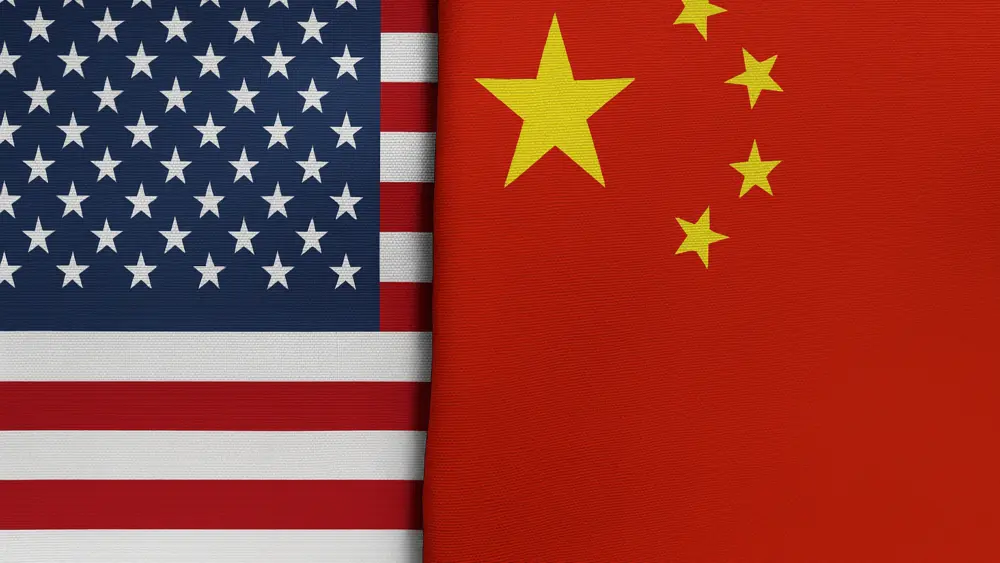
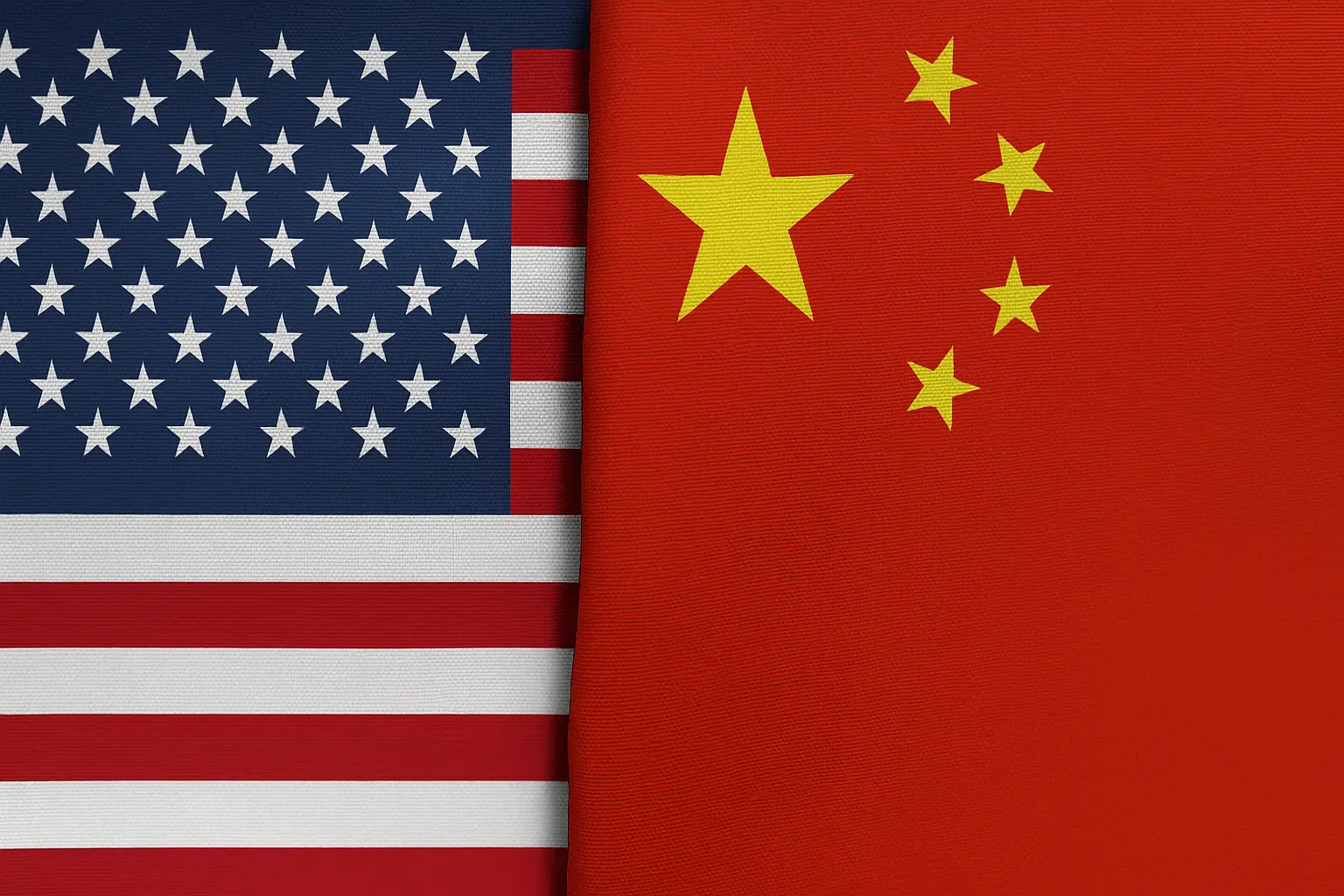
In May 2025, the United States and China reached a 90-day trade truce during talks in Geneva, agreeing to temporarily reduce tariffs—U.S. tariffs on Chinese goods were lowered from 145 percent to 30 percent, and China’s tariffs on U.S. goods were reduced from 125 percent to 10 percent.
However, tensions have escalated since then. On Friday, President Donald Trump accused China of “totally violating” the agreement, citing delays in the delivery of critical minerals essential for U.S. industries such as agriculture, electronics, and defense.
In response, China’s Commerce Ministry rejected these accusations as unjustified, asserting that the U.S. had “seriously violated” the trade truce by implementing new export controls on artificial intelligence chips, halting sales of chip design software to Chinese companies, and revoking visas for Chinese students . China pledged to take “resolute and forceful measures” if the U.S. continues actions that harm China’s interests.
U.S. Treasury Secretary Scott Bessent acknowledged the stalled negotiations and expressed confidence that a direct conversation between President Trump and Chinese President Xi Jinping could help resolve the impasse.
The ongoing dispute has already impacted financial markets, with downturns in major indices and a weakened offshore renminbi.
In summary, both nations accuse each other of violating the trade truce, leading to renewed tensions and economic uncertainty.