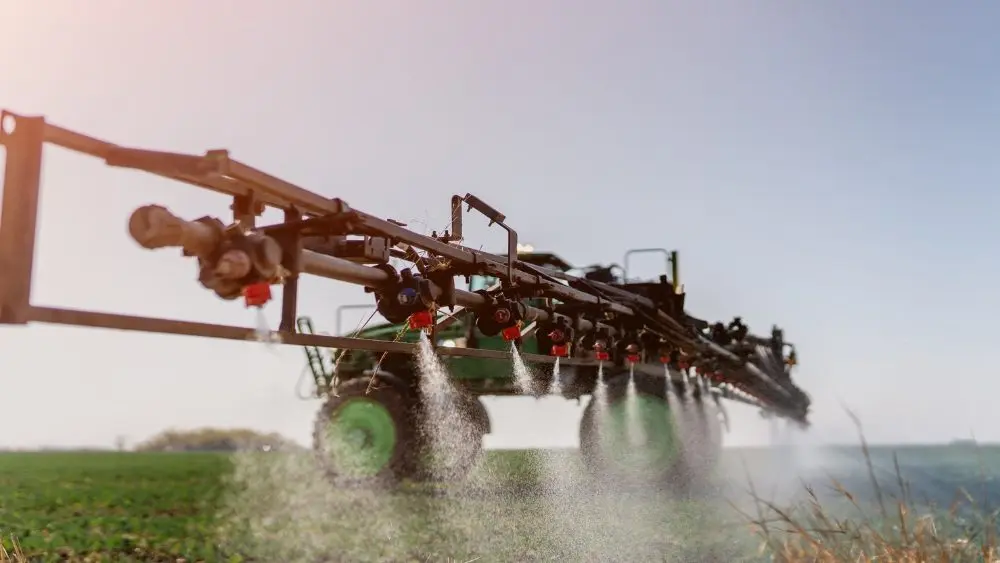
The Trump administration says it has no plans to tighten regulations on pesticide use, even as pressure mounts following the Make America Healthy Again (MAHA) Committee’s controversial report labeling crop protection products as hazardous to public health. According to Politico, a White House official confirmed that a formal response to the MAHA report is due in August, but emphasized it will not include new pesticide restrictions.
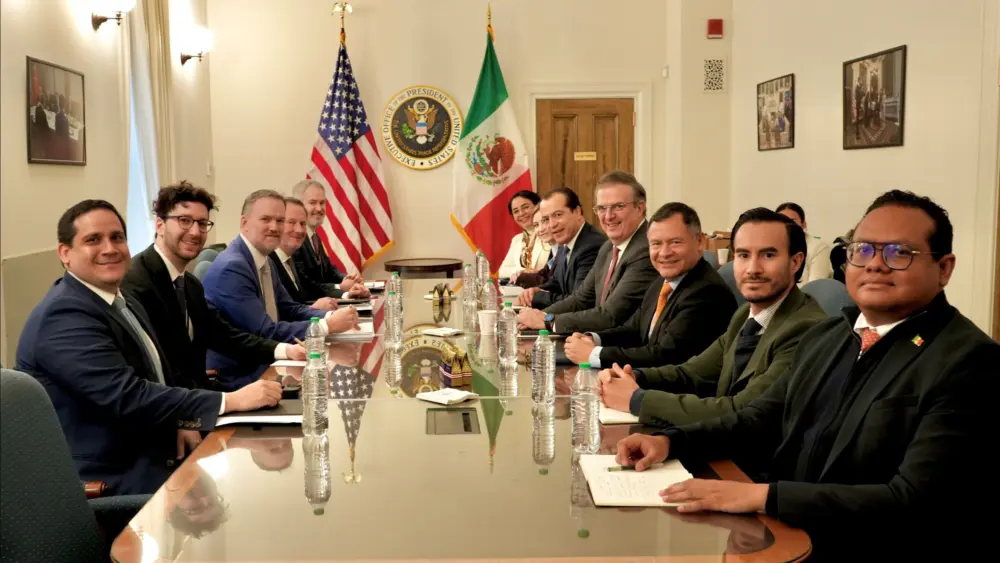
This announcement follows a recent policy roundtable in Washington, D.C., where seven of the ten featured speakers voiced strong support for the continued use of pesticides and fertilizers, calling them essential to modern farming. Agriculture industry leaders have been sharply critical of the MAHA report, which links pesticide exposure to cancer and other serious diseases, warning that it undermines decades of science and could endanger U.S. food security.
Farm groups have also been pressing the administration to push back more aggressively. The National Corn Growers Association (NCGA) sent a letter to President Trump urging him to intervene before the MAHA Commission finalizes its policy recommendations. “Our alarm stems from the initial assessment, which raised pesticide safety questions that have already been answered repeatedly over the decades by research and regulatory agencies,” the letter said.
The NCGA argued that removing the pesticides named in the report could slash crop yields by more than 70 percent due to losses from pests, weeds, and diseases. They added that these crop protection tools have undergone extensive EPA review, with each approved pesticide supported by dozens or even hundreds of scientific tests.
The administration’s latest position appears aimed at easing tensions with farm groups that have historically supported Trump but grew uneasy after hints of a food policy overhaul surfaced. With harvest season approaching, the White House seems focused on reassuring the ag sector that their tools of production remain safe from sudden regulatory upheaval.