By Paul “Doc” Walker, Danvers, Illinois
I’ve spent my life with one foot in the pasture and the other in the classroom.
I’m a cattle producer from Danvers, Illinois, where my family and I operate DI Simmentals, a family-based seedstock operation. I’ve also served as a professor at Illinois State University for more than three decades.
My personal experience in production agriculture has allowed me to relate science to application on a more practical basis. At Illinois State, I conducted both basic and applied research in beef cattle nutrition and management, which helped me understand how dynamic the beef industry really is.
That mix of experiences—raising cattle, teaching students and studying nutrition—has shaped the way I look at today’s food and health conversations. Working with people outside of agriculture also showed me how important Beef Checkoff-funded promotion and education can be to our industry’s future viability. It’s also why I serve on the Cattlemen’s Beef Board (CBB) and as the co-chair of the Beef Checkoff’s Nutrition & Health Committee.
Our committee helps guide Beef Checkoff investments in beef nutrition research and consumer outreach, and I’ve seen firsthand how important those investments are. As new health trends emerge, the demand for trustworthy nutrition science only grows. This research ensures that doctors, dietitians and other health influencers get sound, science-based information about beef, countering the misinformation that’s often out there.
Consider GLP-1 medications, for example. GLP-1s have truly revolutionized the way people approach weight loss. When I first started hearing about these medications my reaction was that they could be bad for beef consumption—or they could generate an opportunity.
By slowing digestion and suppressing appetite, GLP-1s help people feel full faster and eat less. To maintain results, patients generally must stay on the medication long-term, sometimes indefinitely. For those of us who raise cattle, it might be tempting to view this trend with concern. But the data actually tells a different story.
According to a study published by the Meat Demand Monitor in July 2025, nearly 15% of consumers surveyed in late 2024 reported using GLP-1 medications to treat diabetes or aid in weight loss. And instead of cutting back on beef, these consumers reported eating it more often than individuals not on GLP-1s—the equivalent of nearly one meal per day compared to two-thirds of a meal for non-users. That tells us something important: people who are eating smaller portions are also thinking more carefully about the quality of their protein. If positioned correctly, beef can become the go-to food for people who want fewer calories but more nutrition.
Beef delivers more high-quality protein and essential nutrients than almost any other protein source. In fact, years ago, our lab at Illinois State compared young women’s diets with varying levels of beef consumption to those with vegetarian diets. We found that women consuming beef retained more zinc and iron than those on a vegetarian diet, and that just 3 ounces per day was as effective as 6 or 9. That research, funded by the old Livestock and Meat Board—the predecessor of the CBB and the National Pork Board—proved that small amounts of beef can have a big impact.
As I see it, the rise of GLP-1s isn’t a threat to beef demand—we just may need to tell our story in a different way. As beef producers, we know that consumer trends come and go. We’ve weathered fad diets, shifting headlines and changing health advice before. But what hasn’t changed is beef’s place as one of the most nutrient-rich foods people can put on their plates. The rise of GLP-1 medications is simply the latest reminder that our product matters. Thanks to the Beef Checkoff, this message is being backed by credible science and shared with the health care professionals who shape millions of food decisions every day.
Beef producers can take pride in raising a product uniquely positioned for this new health landscape. But pride isn’t enough. Investments in research, promotion and education must continue reaching the doctors, dietitians and consumers who help shape demand. In a world where every bite counts, our Checkoff dollars ensure beef continues to be relevant, now more than ever.
About the Author:
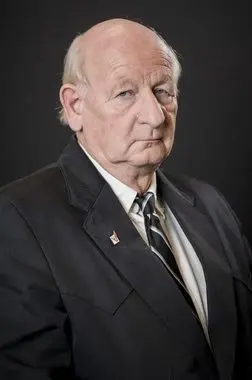
Professor Emeritus at Illinois State University, Paul “Doc” Walker has received many accolades during his 33-year university career. He is owner/operator of the DI Simmentals seedstock operation and DI Walker Consulting, which emphasize beef cattle nutrition/management and manure management/composting. He was part of the Johnson/Walker Human Nutrition Research Team and has been involved with Farm Bureau, NCBA, ASAS, CAST and his local- and state-level cattlemen’s associations. Doc also served as President and Checkoff Chairperson of the Illinois Beef Association and President of the Illinois Simmental Association. Doc is currently a member of the Cattlemen’s Beef Board and the co-chair of the Beef Checkoff’s Nutrition & Health Committee.
About the Beef Checkoff:
The Beef Checkoff Program was established as part of the 1985 Farm Bill. The Checkoff assesses $1 per head on the sale of live domestic and imported cattle, in addition to a comparable assessment on imported beef and beef products. States may retain up to 50 cents on the dollar and forward the other 50 cents per head to the Cattlemen’s Beef Promotion and Research Board, which administers the national Checkoff program, subject to USDA approval.