MANHATTAN, Kan. – Kansas Animal Health Commissioner Justin Smith says biosecurity practices will be key to stemming the spread of a highly contagious virus in horses that can cause respiratory issues, abortion and neurological damage.
Equine Herpesvirus-1, or EHV-1, has affected horses globally, though a recent outbreak in the United States has been reported in at least seven states – Texas, Oklahoma, Wyoming, Colorado, New Mexico, Pennsylvania and Arizona.
“This is a virus that we tend to see during the winter months, much like the common cold or flu in humans,” Smith said. “It becomes more prevalent as we shut the barn up and put horses in there…and this tends to be the time of year that we have large (horse) exhibitions.”
In fact, Smith notes, the first sign of spread this fall was following a large national event in Texas. Because of that, some states have begun implementing regulations concerning horse shows, or cancelling them altogether.
“We haven’t instigated any new regulations in Kansas; we have talked to several event organizers, and talked them through a process of keeping horses safe, but if they elect to cancel an event, that’s up to them,” Smith said.
The neurological form of the disease is called Equine Herpes Myeloencephalopathy, or EHM, which results from damage to the blood vessels in the brain and spinal cord. Symptoms include hind limbness or incoordination; difficulty standing or walking; difficulty urinating; lethargy; and fever or nasal discharge.
The mortality rate due to EHM is estimated to be between 30-50%.
“I’m told that the first sign you will see is that horses begin dragging their toes,” Smith said. “So, as they’re walking, you can see that their back feet will be dragging. As it progresses, the virus spreads to the spinal cord and will causes paralysis in some horses.”
While a vaccine is available to reduce the risk of contracting EHV-1, they are not reliably protective against EHM, Smith said. Instead, horse owners should follow a set of biosecurity measures to protect horses:
- Isolate horses that have been exposed to EHV-1 or are returning from events for about 14 days, to prevent introduction to the general population.
- Monitor the horse’s temperatures twice daily to detect and act quickly on fever, which is an early symptom.
- Keep horse’s EHV-1 vaccinations updated; booster shots are recommended.
- Disinfect water buckets, brushes, halters, bits, bridles, clothes and boots after exposure at other facilities or events.
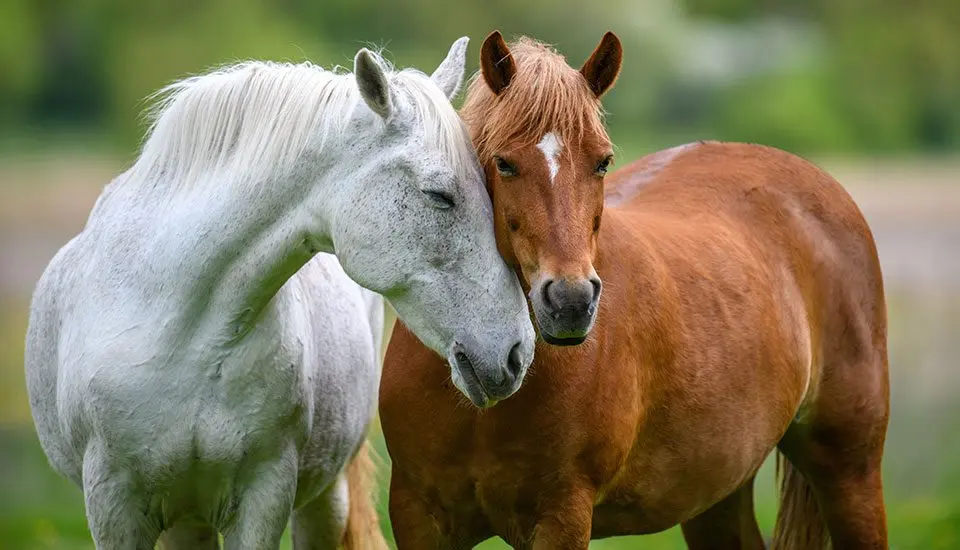
- Minimize contact between horses, such as avoiding nose-to-nose interactions, and use barriers or extra stall space at events.
- Change clothes and boots after returning from events, and never share equipment between horses.
- Check with state animal health officials before traveling to out-of-state events. Some states have their own additional requirements, such as recent health papers.
“I do think that what is going to break the cycle of this disease is biosecurity,” Smith said. “So, as you plan your travels, or if you’re going to an event or moving those horses, just do your homework. Make sure that the exhibition has got the proper processes in place. If you can go there, show your horse and leave (the same day), that’s fantastic. Limiting exposure of your horses is a big deal.”
The Equine Disease Communication Center keeps the most updated information on the spread of EHV-1 and EHM. Current summaries and status reports are available at https://equinediseasecc.org.
Kansans who suspect an outbreak of EHV-1 or EHM should notify the Kansas Department of Agriculture’s Division of Animal Health at 785-564-6601.