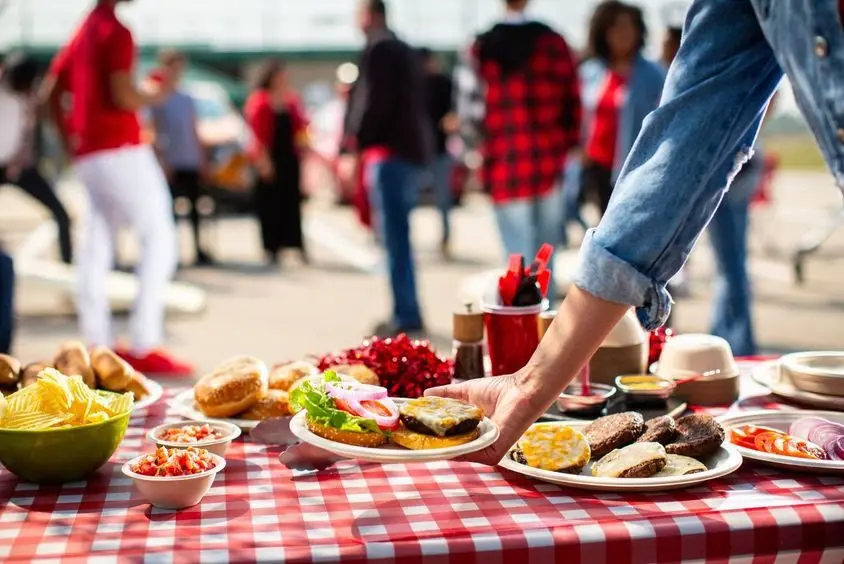
Tailgating image (courtesy Beef. It's What's For Dinner.)
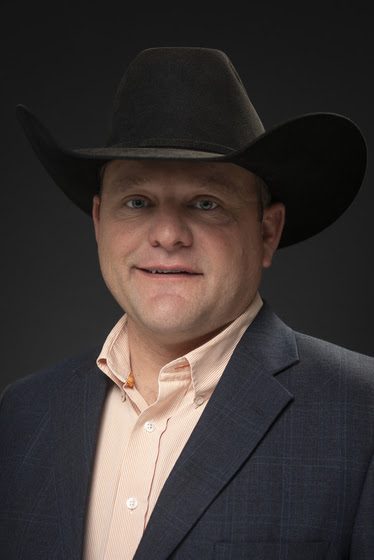
As a beef producer raising a young family in the Black Hills of South Dakota, I think a lot about the future of our industry. Like many producers, I’m proud of the work we do, and I want to make sure the next generation has the same opportunities. That’s one reason I serve on the Cattlemen’s Beef Board, which oversees the Beef Checkoff. I also serve on the Checkoff’s Promotion Committee, which helps guide investments that build confidence in beef’s nutrition, safety and responsible production.
In that role, I’ve seen how important it is to meet consumers where they already are. Today, one of the best places to do that is in the world of sports and entertainment.
Many producers ask why they don’t see Beef. It’s What’s For Dinner. ads on TV like they used to. The reality is that national TV advertising is extremely expensive, and it reaches an audience that’s already more likely to eat beef. The Checkoff has a responsibility to invest producer dollars where they can make the biggest impact. And that’s by reaching consumers who eat less beef, have questions about how it’s raised or live in regions where beef demand has room to grow. Sports partnerships can offer that kind of smart, targeted reach.
A great example is the work happening in the Northeast through the Northeast Beef Promotion Initiative (NEBPI). This region’s huge population has tremendous purchasing power. NEBPI partners with both athletic teams and student-athletes, using a mix of team sponsorships and Name, Image and Likeness (NIL) agreements to reach Northeast fans and young consumers where they gather. These on-field and athlete-driven activations help beef connect with audiences in ways traditional ads often can’t.
Across the country, State Beef Councils are leading equally creative efforts. The Kansas Beef Council partnered with the Kansas State football team’s offensive line—the “protectors”—to help tell beef’s story in a fun and relatable way. Texas, Iowa and Colorado have run their own athletic activations, from stadium promotions to community race events to college partnerships. These efforts help keep more Checkoff dollars close to home while engaging the students, families and fans who will shape beef demand in the years ahead.
Sports partnerships also give us the chance to highlight beef’s strong nutrition story—something I care about personally as a beef producer and as a member of the Promotion Committee. Programs like Build Your Base provide performance nutrition education, refueling stations and hands-on experiences for athletes and families, all backed by current science. These efforts help reinforce what many of us already know: beef delivers high-quality protein, iron, zinc and B-vitamins that support strength, recovery and endurance.
Recent reports from the Make America Healthy Again (MAHA) Commission — a federal health initiative focused on improving diets and reducing chronic disease — have reinforced that message. The commission’s report highlighted the benefits of high-quality protein like beef. For producers, it’s encouraging to see national nutrition discussions acknowledge what we already know from experience: beef fits squarely within healthy, balanced eating patterns.
Sports also tap into something many producers understand well: community. Teams, school spirit, mascots and tailgates create traditions passed down through generations. People build memories around those experiences, and food is always part of it. When beef is present in those settings—at tailgates, stadium events or through athlete partnerships—it becomes part of those traditions too. That kind of connection can help build long-term loyalty and demand.
Athletic partnerships might not look like the traditional advertising some of us grew up with, but they’re helping us reach diverse new audiences, build trust and reinforce beef’s role in a healthy lifestyle. If we want to maintain strong demand, we need to be visible in the places where consumers spend their time.
Looking ahead, I don’t know if there’s one single “big opportunity” for beef in the sports world. What I do see is potential across many sports, campuses and communities. The more places we show up with a positive, science-supported message, the more opportunity to influence how people think about and choose beef.
About the Beef Checkoff:
The Beef Checkoff Program was established as part of the 1985 Farm Bill. The Checkoff assesses $1 per head on the sale of live domestic and imported cattle, in addition to a comparable assessment on imported beef and beef products. States may retain up to 50 cents on the dollar and forward the other 50 cents per head to the Cattlemen’s Beef Promotion and Research Board, which administers the national Checkoff program, subject to USDA approval.