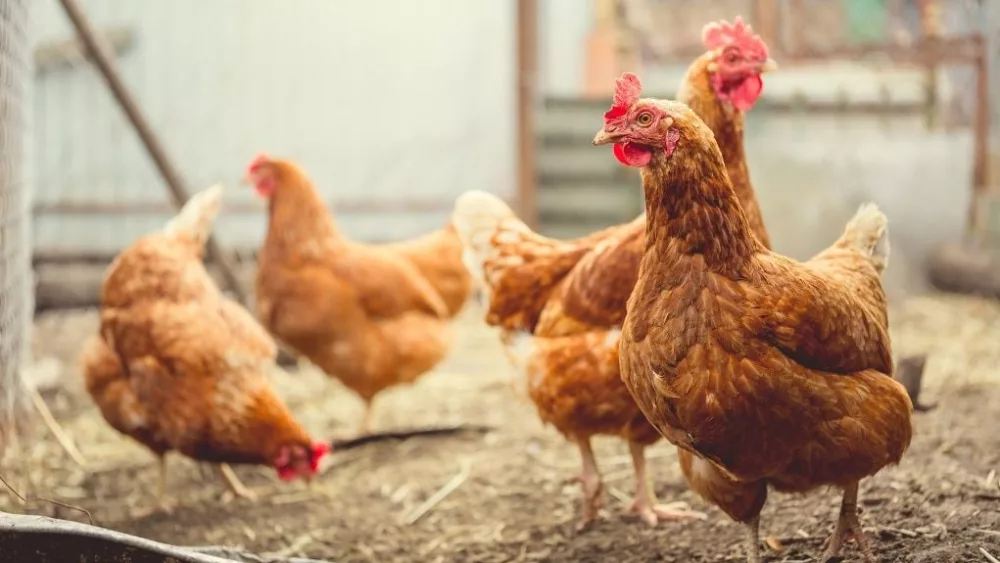
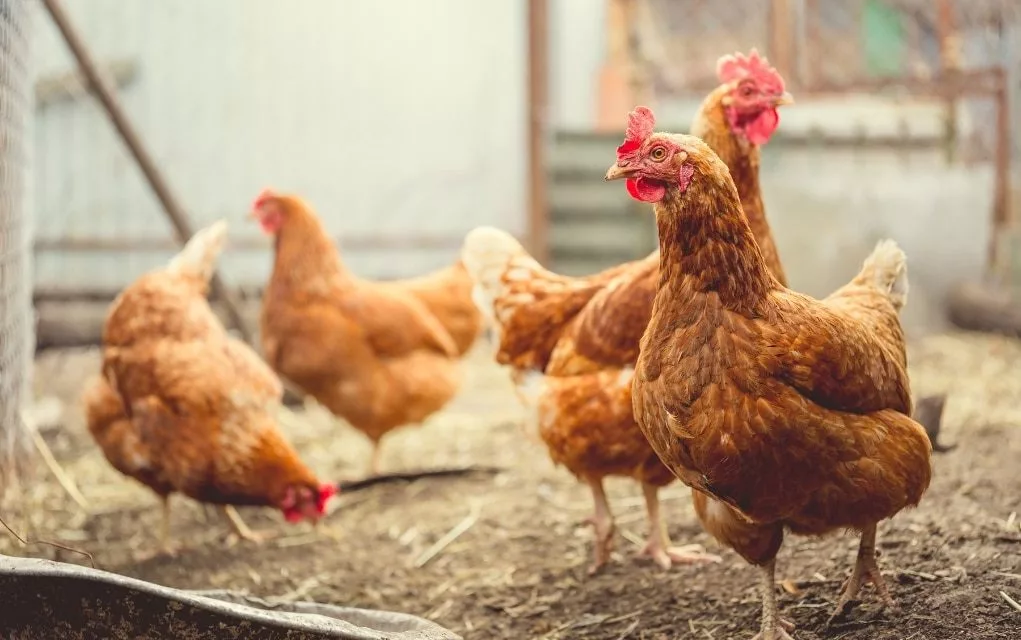
Tyson Foods has told poultry growers within the Illinois River watershed that they may not have their contracts renewed next year. That could affect growers in eastern Oklahoma and northwest Arkansas and cause significant economic fallout in the region’s biggest agricultural sector. The watershed covers more than one million acres across both states. The area includes parts of northwest Arkansas, where poultry production is a pillar supporting the local economy. Poultry actually accounts for over half of Arkansas’s cash receipts and supports over 175,000 direct and indirect jobs statewide.
The potential contract reductions are tied to a long-running lawsuit filed by the State of Oklahoma in 2005 against Tyson Foods and other poultry companies over alleged pollution in the Illinois River Watershed. Oklahoma says the phosphorus and bacteria from the land application of poultry litter contaminated rivers, streams, and groundwater. A federal judge ruled in 2023 that Oklahoma had proven its case on liability, moving the litigation into the damages phase, which is still pending and could result in substantial operational requirements for the companies. Tyson and other integrators have denied wrongdoing, arguing that poultry litter is a regulated fertilizer and that multiple land-use factors contribute to watershed conditions.
Arkansas produces more than 6.5 billion pounds of poultry annually, and contract growers—most of them small family farms—depend on multiyear agreements for financing, meaning any contract uncertainty may create ripple effects for lenders, feed suppliers, and processing plants. Both Oklahoma and Arkansas have implemented nutrient-management rules over the past decade, including more stringent phosphorus limits in parts of the watershed, but regulators say water quality concerns persist. The timing also coincides with broader consolidation across the poultry sector, as companies reevaluate their grower networks, plant efficiency, and long-term regional strategies.