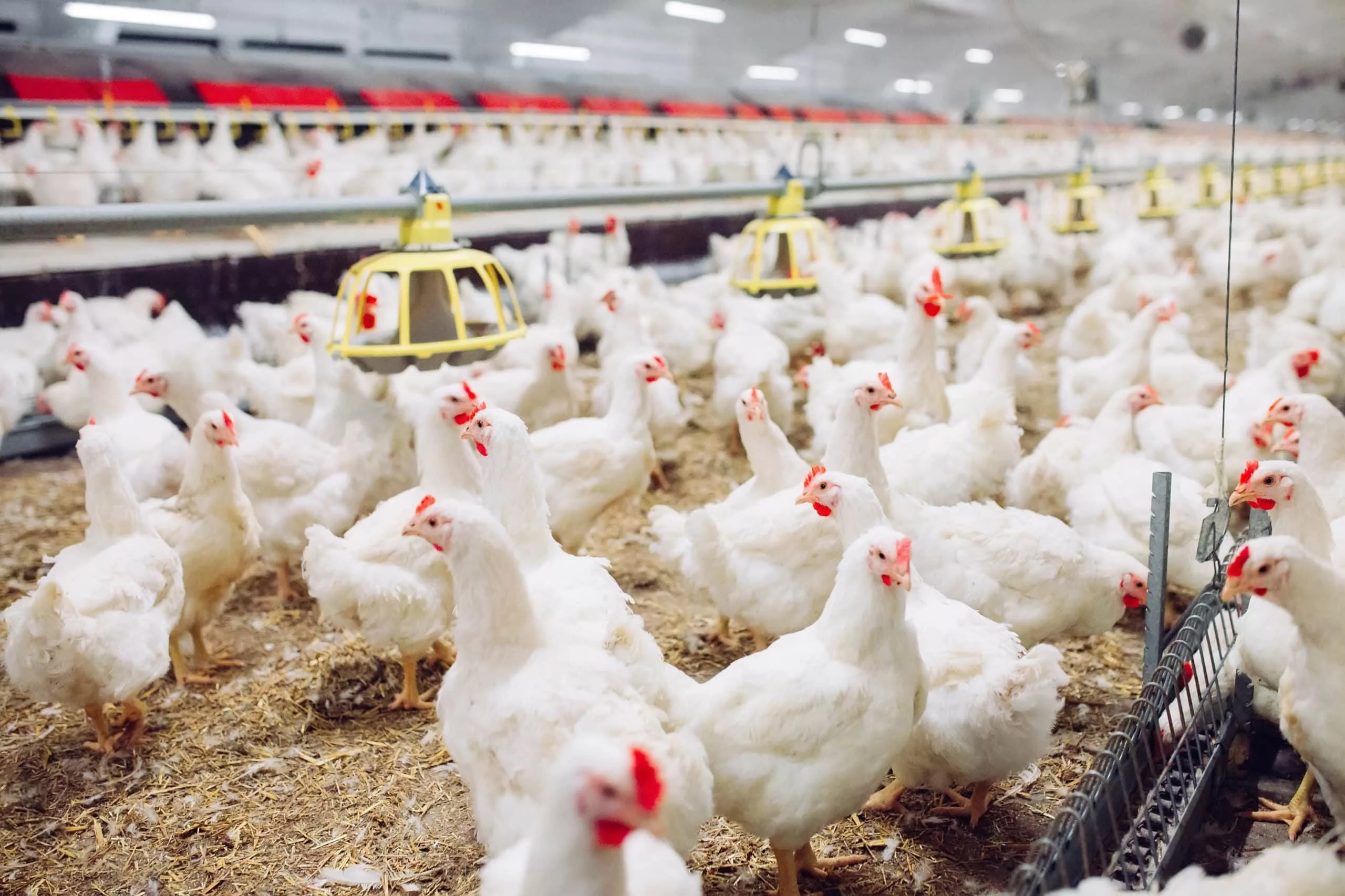
LINCOLN – The Nebraska Department of Agriculture (NDA) is reminding poultry owners to continue to monitor for and protect their birds against Highly Pathogenic Avian Influenza (HPAI). In late December NDA in conjunction with the U.S. Department of Agriculture (USDA), confirmed a case of HPAI in a commercial flock in Butler County. Since November, HPAI cases have also been confirmed in small backyard flocks in Keith, Howard, Washington and Scotts Bluff counties.
“While these cases are not unexpected and coincides with the ongoing wild bird migration and what we are seeing in other states, it does serve as an important reminder for Nebraska poultry producers to stay vigilant in protecting their flocks,” said State Veterinarian Dr. Roger Dudley. “Producers should know and monitor for HPAI symptoms and follow strict biosecurity practices, which can significantly reduce the risk of the disease affecting their flocks.”
What is HPAI?
HPAI is a highly contagious virus that spreads easily among birds through nasal and eye secretions, as well as infected food, water, and manure. The virus can spread in various ways from flock to flock, including by wild birds during migratory season, through contact with infected poultry, by equipment, and on the clothing and shoes of caretakers. Wild birds can carry the virus without becoming sick, while domesticated birds can become very sick and die.
What are the clinical signs of HPAI in birds?
Symptoms of HPAI in poultry include: a decrease in water consumption; lack of energy and appetite; decreased egg production or soft-shelled, misshapen eggs; nasal discharge, coughing, sneezing; incoordination; and diarrhea. HPAI can also cause sudden death in birds even if they aren’t showing any other symptoms. HPAI can survive for weeks in contaminated environments.
Resources for poultry producers
Resources are available for poultry producers at nda.nebraska.gov/animal/avian/ and from the USDA at https://www.aphis.usda.gov/livestock-poultry-disease/avian/avian-influenza. Poultry experiencing signs of HPAI or unusual death should be reported to NDA at 402-471-2351 or the USDA at 866-536-7593.