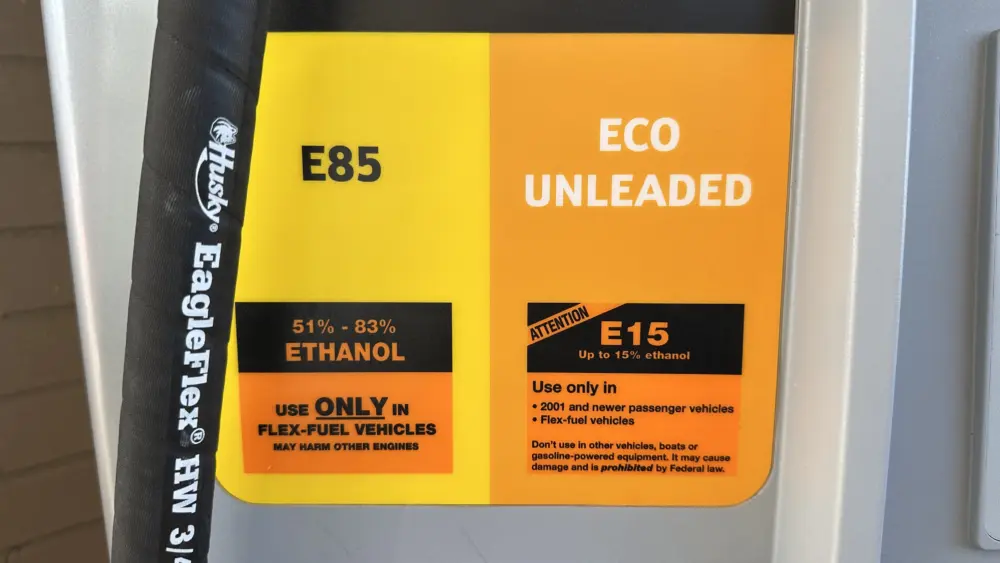
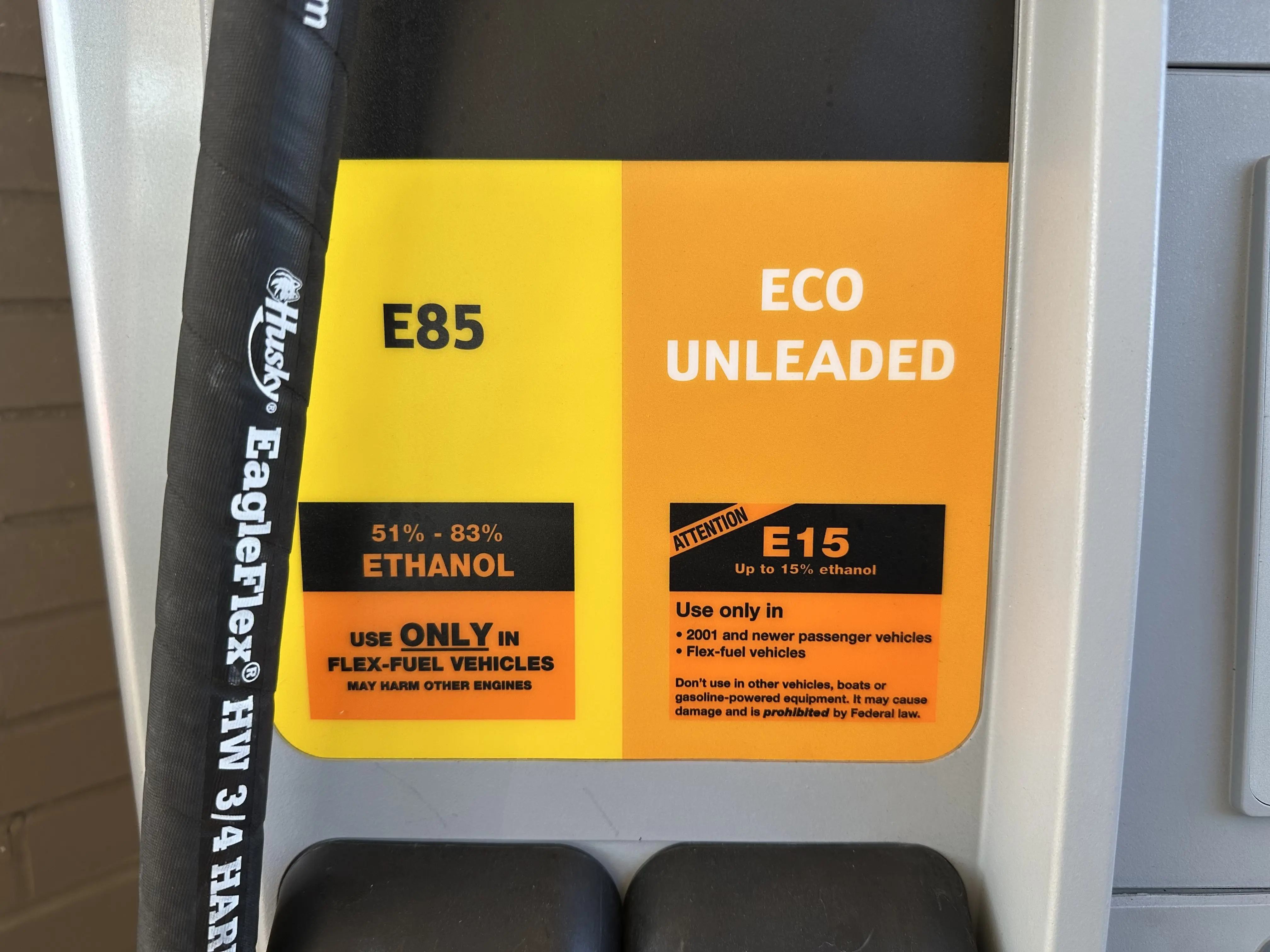
Demand for U.S. ethanol has shown consistent growth since 2016, reflecting its entrenched role in the nation’s transportation fuel supply. One of the key measures of ethanol use is the blend rate, which represents ethanol’s share of finished motor gasoline volume and serves as an important indicator of how much ethanol gasoline blenders are incorporating into vehicle fuel.
Data from March 2025 showed the U.S. average ethanol blend rate reached 10.1 percent, marking the ninth straight month above the implied federal minimum blend rate of ten percent. On a longer-term basis, the 12-month moving average blend rate stood at 10.2 percent, reinforcing the trend that ethanol inclusion has remained at or above ten percent for much of the period since 2020. This sustained performance highlights the resilience of ethanol demand even as broader fuel markets fluctuate.
Higher blend rates have played a significant role in keeping domestic ethanol consumption relatively steady, despite a reduction in overall demand for finished motor gasoline in recent years. As Americans have driven fewer miles or adopted more fuel-efficient vehicles, ethanol’s growing share of each gallon of gasoline has helped offset the impact on total ethanol use.
At the same time, international demand for ethanol has expanded. Since 2023, exports have steadily increased, providing additional support for U.S. ethanol production and offering an important outlet beyond the domestic market. Together, elevated blend rates and stronger export demand continue to underpin ethanol production levels.
These trends have direct implications for corn demand. Ethanol remains a major driver of corn use, and higher blending levels translate into greater consumption of the crop. Meeting fuel ethanol demand in March 2025 required an estimated 465 million bushels of corn, representing an increase of about 60 million bushels compared with monthly demand a decade earlier. The continued rise in ethanol blending and exports underscores ethanol’s ongoing importance to both the U.S. fuel supply and the agricultural economy.