EATON, CO — The National Onion Association (NOA) welcomes newly announced federal dietary guidelines and proposed Supplemental Nutrition Assistance Program (SNAP) stocking standards, citing the changes as a positive step toward expanding access to onions and other nutrient-dense produce nationwide.
Unveiled this week by U.S. Department of Agriculture Secretary Brooke Rollins, the updated guidelines emphasize protein, healthy fats, and whole foods as part of the Trump administration’s Make America Healthy Again initiative. A key component includes forthcoming USDA rules that would require more than 250,000 SNAP-authorized retailers to double their in-store availability of staple foods, including fruits and vegetables.
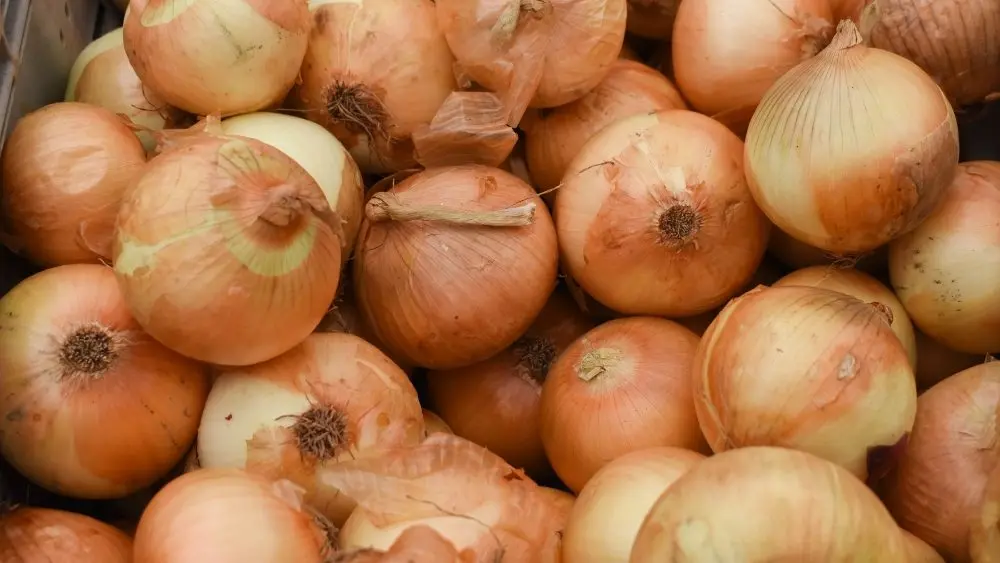
For the onion industry, the proposal creates new opportunities to increase onion availability and consumption — particularly in underserved communities where shelf-stable produce plays an important role.
“Onions consistently deliver measurable nutritional benefits and have a well-documented role in supporting disease prevention,” said Greg Yielding, executive vice president and chief executive officer of the National Onion Association. “Expanding access to fruits and vegetables—especially those with a longer shelf life like onions — makes sense for retailers and consumers alike. NOA supports these changes and will continue advocating to ensure onions are included in expanded produce inventories across SNAP-authorized stores.”
The proposal builds on prior federal efforts, including the Farmers to Families Food Box Program during the COVID-19 pandemic, when the NOA successfully lobbied to include onions in food box distributions.
Federal officials said the updated stocking requirements are intended to improve food access in areas where consumers rely heavily on convenience and small-format retailers, while longer-term efforts continue to focus on attracting full-service grocery stores to food desert communities.
The National Onion Association looks forward to working with USDA, retailers, and policymakers to support implementation of the new standards and to strengthen access to domestically grown onions across the U.S. food system.