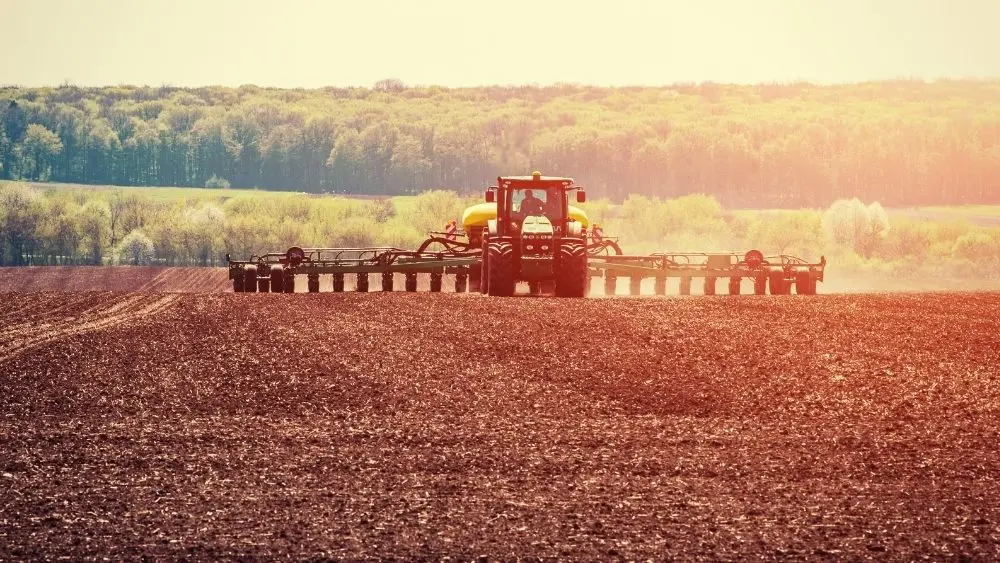
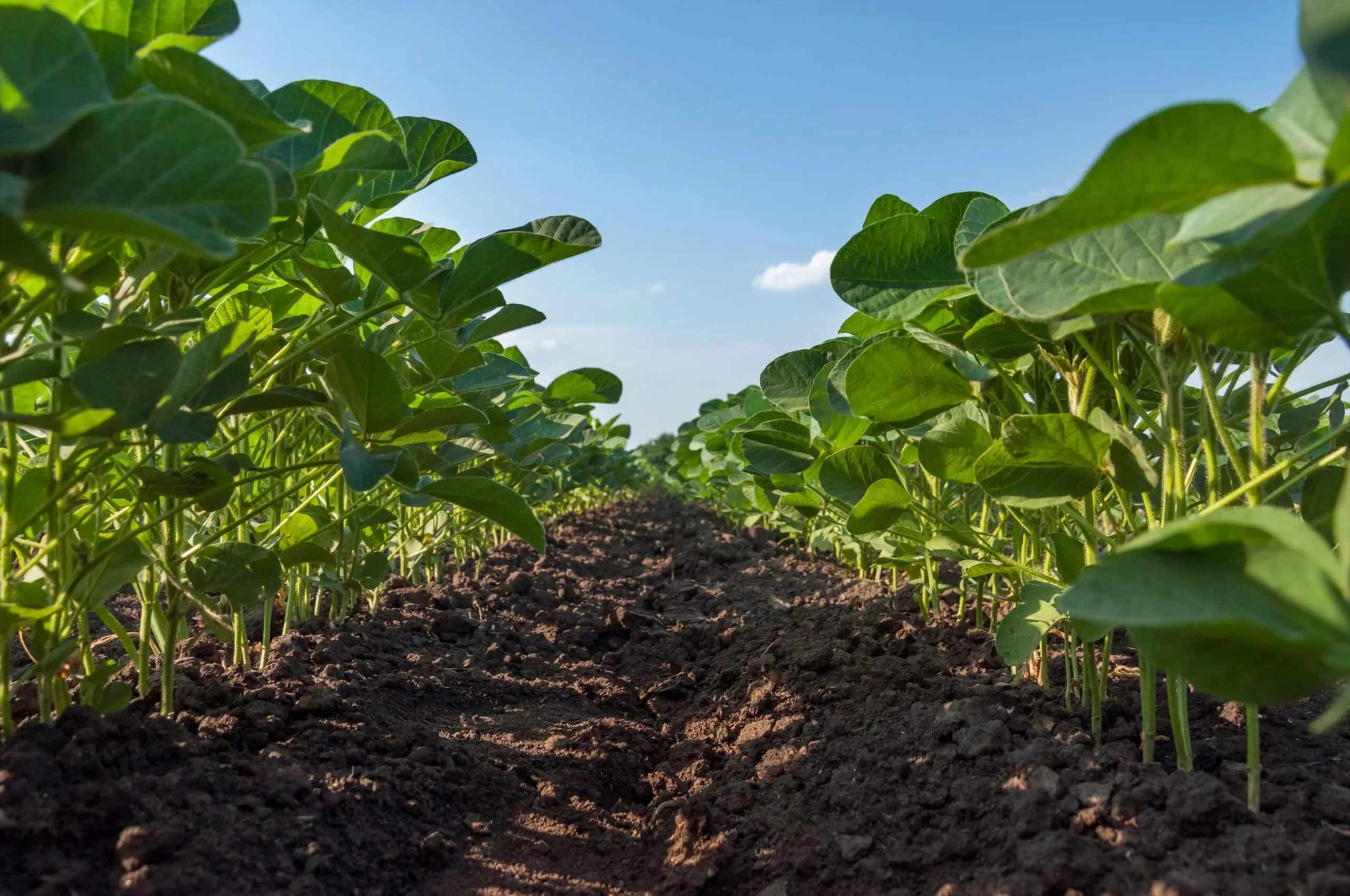
DENVER (February 17, 2026)—Low crop prices and high production costs are weighing heavily on U.S. farmers as spring planting season draws near and farmers make critical decisions about which crops will offer the most favorable economic return. While late-winter price movements and regional basis signals could influence farmers over the next few weeks, soybeans are currently expected to increase their share of American farmland in 2026 while planted acreage of corn, wheat, grain sorghum, cotton and rice is expected to decline compared to last year.
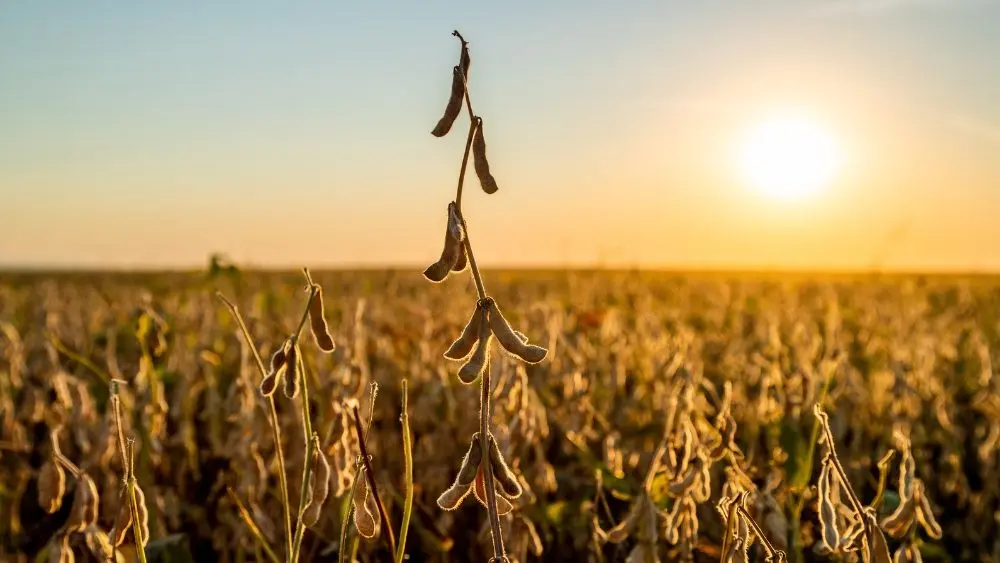
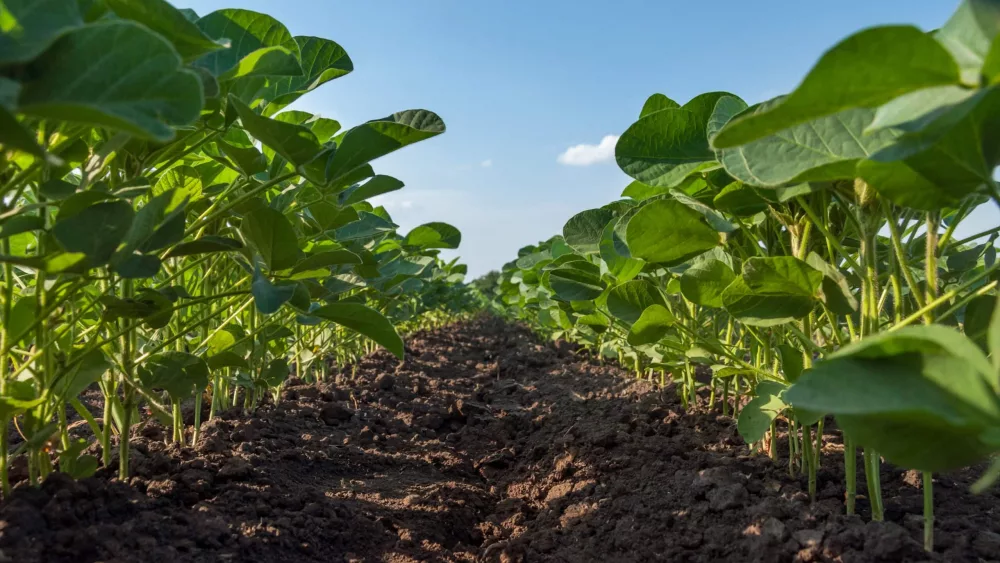
According to a new report from CoBank’s Knowledge Exchange, U.S. soybean acreage is projected to increase nearly 6% this year, with soybeans pulling acres from multiple crops. The expansion of U.S. soy crush capacity and expectations of continued Chinese demand have lifted soybean prices to more attractive levels than competing crops.
“Following recent price rallies, soybeans offer greater profit potential than corn, wheat, sorghum, cotton and rice,” said Tanner Ehmke, lead grains and oilseeds economist with CoBank. “Beyond price signals, crop rotation needs will also play a role. Following a big year for corn in 2025 in which acres climbed to the highest level in decades, more corn acres will be available to rotate to soybeans. And with record supplies of corn in storage, farmers will look to rotate into other crops to diversify their marketing risk. Soybeans currently offer the best marketing opportunities.”
The report provides U.S. planted acreage projections for corn, soybeans, wheat, durum, grain sorghum, cotton and rice, along with regional factors that will influence farmers’ spring planting decisions for 2026.
Total U.S. corn acreages are projected at 94.0 million, down 4.8% from last year. While overall acreage will dip, corn will gain acreage in western states at the expense of wheat, grain sorghum and soybeans. Corn has benefited from steadier demand compared to crops like soybeans and sorghum that have been affected by trade disruptions. In the Northern Plains, depressed soybean basis levels will encourage farmers to switch soybean acres to corn. Successive years of high corn yields have convinced farmers that corn genetics perform well in the Northern Plains. In other regions, heavy corn acres last year indicates more acres will be switching to another crop for rotational purposes, with soybeans typically the favored crop. Farmers in the Midwest are carrying record levels of corn stocks and will be reluctant to follow with more corn acres this spring.
U.S. durum acres are projected to fall 3% to 2.12 million acres. Following last year’s jump in durum production which brought U.S. acreage to the highest level in eight years, ample stocks in the U.S. and Canada have caused a substantial setback in durum prices versus other crops. Durum, which is grown predominately in North Dakota, will lose acres to pulse crops and spring wheat.
Grain sorghum acres are expected to fall 5% to 6.31 million acres as farmers in the Central Plains opt for more corn or soybeans in their rotations as wide sorghum basis discourages production. Sorghum stocks in the U.S. have climbed to the highest in four years following a bigger harvest last year. Wide premiums of corn over sorghum, corn’s impressive yield performance last year, and improved soil moisture across the Central Plains will entice farmers to expand acres to corn in place of sorghum. Steadier local demand for corn with feedlots and favorable crop insurance premiums also favor corn over sorghum. Sorghum acres could rebound if export demand to China continues to build.
Total rice planted acreage in the U.S. is projected at 2.83 million acres – the lowest in 30 years. This is also a year-over-year decline of 20%, with long-grain rice in the South falling 25% to 1.59 million acres. Medium- and short-grain rice acres are expected to fall to 665,000 acres, down 4.6% from last year. Of the major commodities, rice is the highest-cost crop to plant and has suffered disproportionately on price. Subsidized Indian rice is flooding the world market while more South America rice is flowing into key export markets like Mexico, displacing U.S. exports. Farmers in the South will be eyeing soybeans as the alternative to long-grain rice.
Read the report, 2026 Acreage Outlook: Soybean Acreage Set to Rebound.
About CoBank
CoBank is a cooperative bank serving vital industries across rural America. The bank provides loans, leases, export financing and other financial services to agribusinesses and rural power, water and communications providers in all 50 states. The bank also provides wholesale loans and other financial services to affiliated Farm Credit associations serving more than 79,000 farmers, ranchers and other rural borrowers in 23 states around the country. CoBank is a member of the Farm Credit System, a nationwide network of banks and retail lending associations chartered to support the borrowing needs of U.S. agriculture, rural infrastructure and rural communities. Headquartered outside Denver, Colorado, CoBank serves customers from regional banking centers across the U.S. and also maintains an international representative office in Singapore.