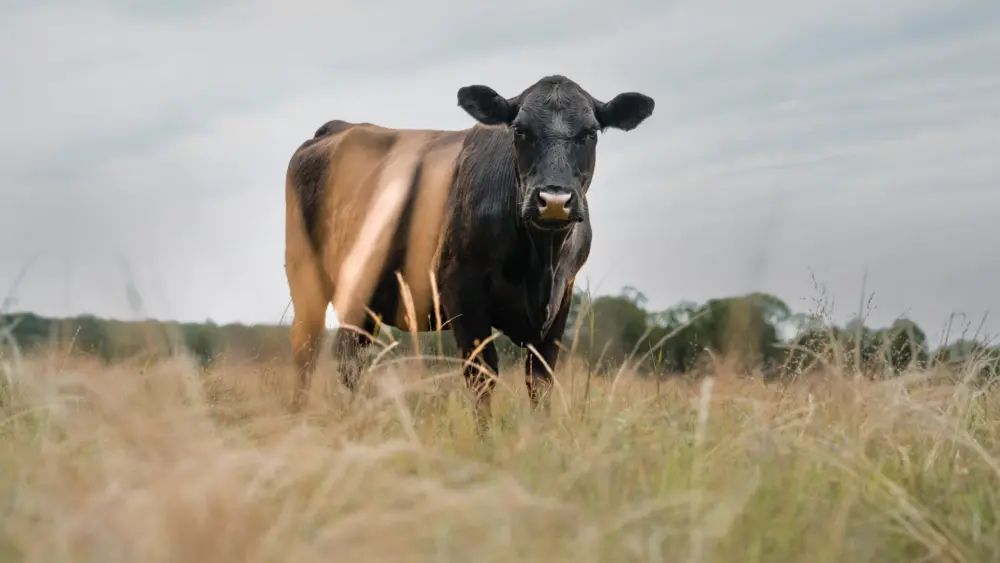
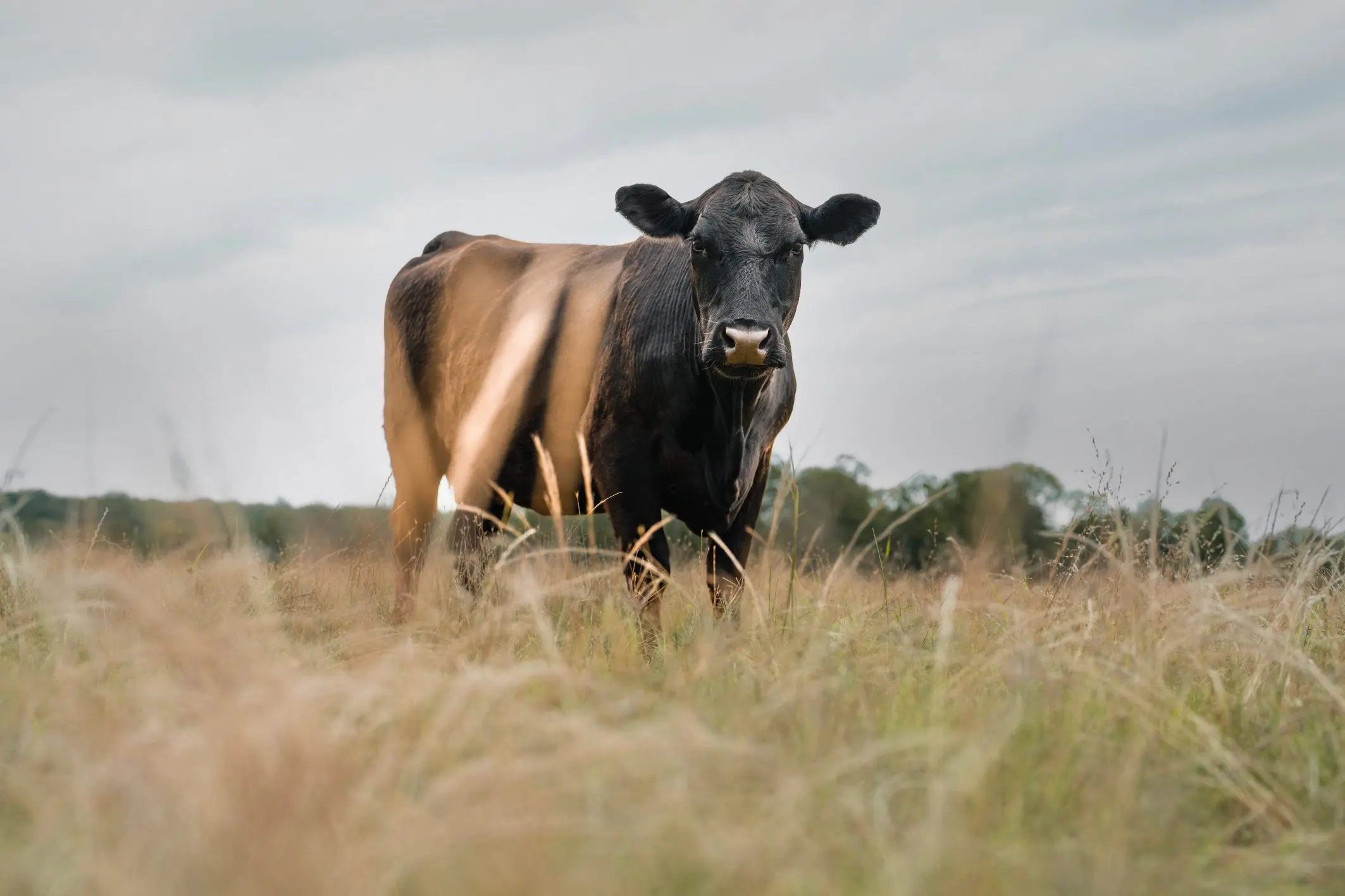
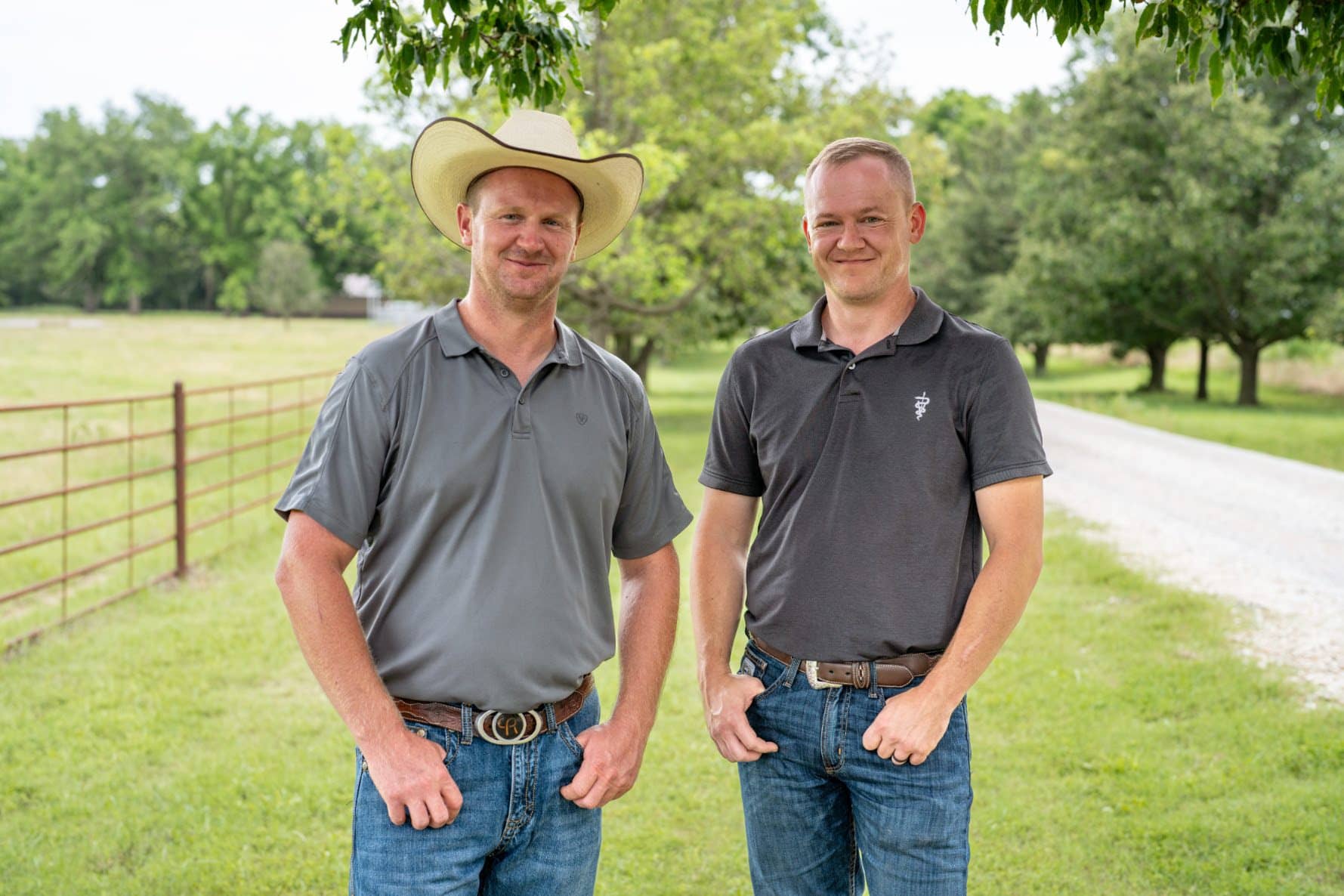
Rich has 2,000 cow-calf pairs at Leaning Oak Ranch in Okemah, Oklahoma.
DULUTH, Ga. — Incorporating diagnostics into deworming plans gives cattle producers a clearer handle on parasite pressure and product performance. It helps confirm when treatment is needed, when it isn’t, and when a protocol might need adjusting.
For operations like Leaning Oak Ranch in Okemah, Oklahoma, that clarity has become a key advantage. And it starts with putting real numbers behind decision-making.
Turning data into decisions
Diagnostics provide a straightforward view of the parasite burden in your herd. A fecal egg count reduction test (FECRT) is the most reliable method for measuring deworming efficacy.
“We had a group that didn’t look right, and I assumed it was a worm issue,” shared Buck Rich, owner of Leaning Oak Ranch. “But the fecal tests came back clean, and confirmed our LONGRANGE® [eprinomectin] was working the way it should. Running diagnostics saved us from reworking the cows unnecessarily.”
The results also highlighted the economic value of testing.
“From an economic standpoint, that would have been wasted money on more dewormer, and wouldn’t have helped our problem,” Rich continued. “Diagnostics are an important tool, and can definitely help get you on the right path more quickly.”
Rich works closely with his herd veterinarian, Tyler Thomas, DVM, owner and operator of Prague Veterinary Clinic in Prague, Oklahoma.
“It’s very easy to check fecals, and it’s a valuable tool,” said Dr. Thomas. “The data lets us know where a deworming program sits, and if we need to take action or not.”
How to implement diagnostics
Routine FECRTs establish a baseline on product performance, and track resistance over time. Even a few well-placed tests each year can support better decisions. Testing before spring turnout, during grazing or at weaning are all good options.
“Without diagnostics, it’s easy to point the finger at the product,” explained Jody Wade, DVM, Boehringer Ingelheim. “But if you’re not testing, you might be treating the wrong issue or not seeing the whole picture.”
To conduct the test, two manure samples are needed from the same animal: one collected before or at the time of treatment, and another collected after a specified period following treatment. The timing of the second sample depends on the product used, as each medication requires a different interval after treatment to assess its effect.
When running diagnostics, Dr. Wade emphasizes the importance of working with trusted laboratories.
“Samples should be collected per rectum, stored properly and processed by reliable labs,” he added. “Your veterinarian can help ensure everything is handled correctly, so the results are meaningful.”
An egg reduction of 95% or more indicates the dewormer performed well. When results fall short, it may signal that parasites are surviving treatment. In these situations, a herd veterinarian may recommend adjusting the timing, incorporating combination treatment, modifying the grazing rotation, or reevaluating which cattle receive treatment. The goal is always a plan rooted in evidence — not assumption.
Diagnostics in a sustainable deworming plan
A sustainable deworming plan includes diagnostics and three other proven parasite management tools: combination treatment, pasture management and refugia.
“We want our deworming practices to be sustainable, and the four pillars are about helping producers get the most from the tools we already have,” said Dr. Wade. “Diagnostics are where it all begins.”
For Dr. Thomas, diagnostic results shape how he builds treatment plans for Leaning Oak Ranch and other operations.
“You don’t know where to go until you know where you’re at,” he asserted. “Diagnostics tell us if treatment is even necessary, and whether what we’ve done is working.”
Reviewing deworming protocols with your veterinarian at least once a year is an essential step in maintaining herd health and productivity. Learn more about diagnostics and sustainable deworming at DewormingLegends.com.
LONGRANGE IMPORTANT SAFETY INFORMATION: Do not treat within 48 days of slaughter. Not for use in female dairy cattle 20 months of age or older, including dry dairy cows, or in veal calves. Post-injection site damage (e.g., granulomas, necrosis) can occur. These reactions have disappeared without treatment. Not for use in breeding bulls, or in calves less than 3 months of age. Not for use in cattle managed in feedlots or under intensive rotational grazing. Pregnant women should wear gloves and exercise caution or avoid handling this product. For more information, including full prescribing information, visit https://bit.ly/LongRangePI or call 888-637-4251.