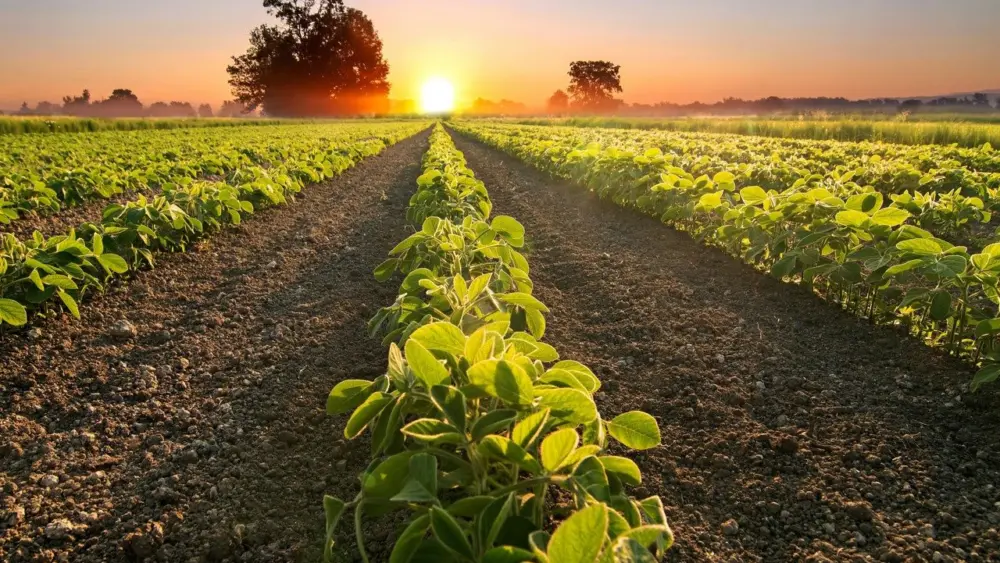
Currently, farmers across the country are deciding what to plant this spring. Those decisions are not theoretical. They involve real capital, real risk, and real consequences. Hemp farmers are making those decisions amid regulatory uncertainty.
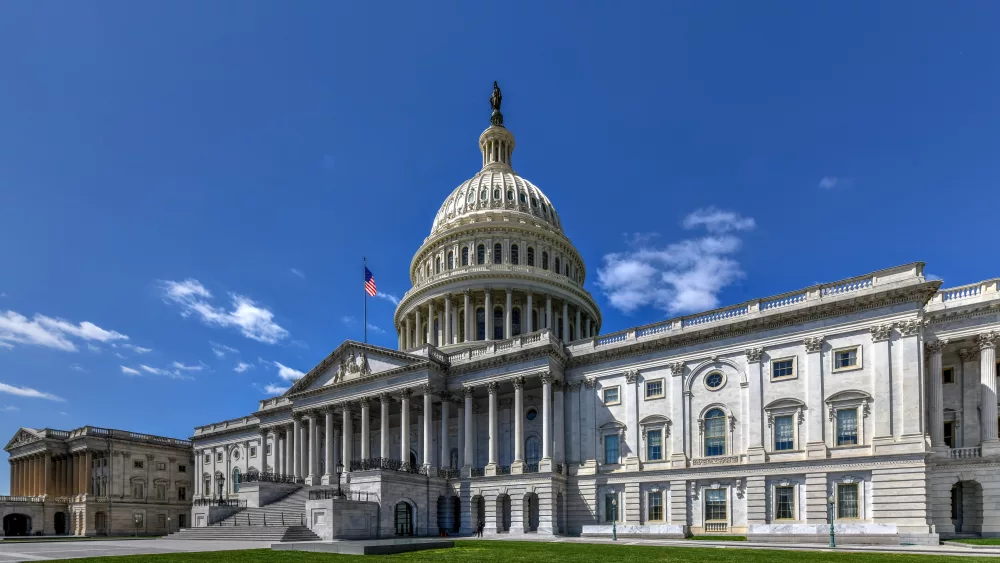
Over the past several months, Congress updated the federal definition of hemp. That decision has triggered debate about implementation timelines, public health, intoxicating products, and enforcement. Some organizations are urging lawmakers to keep the current compliance clock in place. Others have supported legislation that would extend the timeline to give the industry more time to adjust.
Lost in much of that debate is the farmer.
Planting decisions happen months before harvest. A farmer cannot wait for a markup in Washington or a letter from a coalition to decide whether to buy seed, secure acreage, and line up labor. They need to know whether there will be a lawful, functioning marketplace when that crop comes off the field. This is not about preserving bad actors. It is about preserving predictability.
Hemp requires upfront investment. Seed costs are higher than those of many commodity crops. Processing contracts must be secured in advance. If regulatory changes narrow or redefine the market without a clear transition framework, the risk falls squarely on the grower.
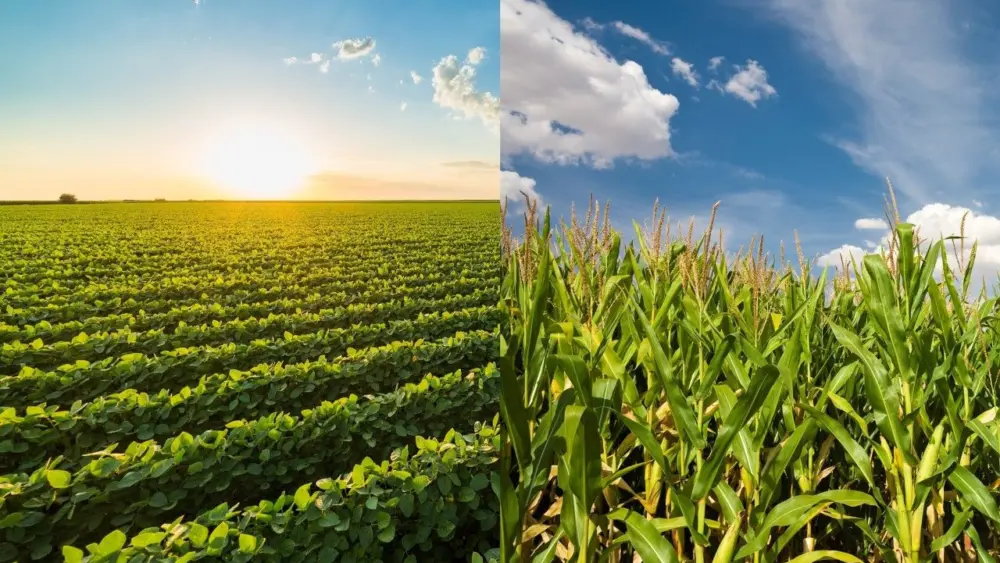
Traditional row crops operate within well-established regulatory systems. Corn, soybeans, and wheat have crop insurance, defined markets, and decades of policy stability. Hemp does not. Hemp is still developing its infrastructure, and policy swings are felt immediately.
The hemp supply chain is tightly connected. Farmers sell to processors. Processors supply manufacturers. Manufacturers sell to retailers. Retailers serve consumers. When policy uncertainty enters the system, each link pulls back. Farmers plant less acreage. Processors hesitate to invest. Brands slow hiring and expansion. Retailers shrink shelf space.
The result is contraction, not because demand disappears, but because confidence does.
There are organizations that believe the current one-year implementation window is sufficient and that further delay would simply entrench a market Congress has already decided to change. Public health and youth access concerns are real, and they deserve serious attention. No responsible operator argues otherwise.
But farmers operate on growing seasons, not legislative cycles. If Congress believes changes are necessary, those changes should be accompanied by clear guidance and a workable transition. Clarity is what allows farmers to plan. Ambiguity is what causes acreage to shrink.
When farmers reduce planting because they are unsure whether their crop will have a lawful path to market, the effects ripple outward. Rural communities feel it first. Equipment dealers, seed suppliers, trucking companies, and processors all feel it next.
The hemp industry does not need deregulation. It needs durable rules. It needs guardrails that protect consumers and provide growers with confidence that the crop they plant today will have a predictable legal status tomorrow.
Agriculture depends on stability. Farmers take enough risk from weather, commodity prices, and input costs. Policy risk layered on top of that can quickly make hemp unplantable compared to other crops.
If we want legitimate hemp agriculture to survive and mature, we need a regulatory solution that provides certainty. Farmers cannot plant into uncertainty and hope for the best. They plant based on confidence in the marketplace. Right now, that confidence is fragile.