Invest in Our Land announces the American Farmers for Conservation network at the Rayburn Foyer
WASHINGTON D.C. – Earlier this week, Invest in Our Land announced the launch of American Farmers for Conservation, a new, nationwide, volunteer farmer network dedicated to raising farmers’ voices on the need to expand and strengthen the delivery of key federal conservation programs that are crucial to weathering economic headwinds, boosting their productivity and profitability, and strengthening their resilience to extreme weather.
“One percent of Americans farm, but every American depends on their work without fully understanding what it takes to produce our food, fiber and fuel. That disconnect can lead to policies that don’t match producers’ reality – and that needs to change, especially as farmers face thin margins, extreme weather, and rising costs,” said Rebecca Bartels, Executive Director of Invest in Our Land. “American Farmers for Conservation is ensuring the men and women who keep this country running are leading the conversation about the commonsense conservation programs and NRCS staff that help them navigate these headwinds, cut costs, and strengthen the resilience and productivity of their farms.”
“My family has worked this land for over a hundred years, and I’m telling you that federal conservation programs work and help to navigate tough hurdles and make positive changes,” said Rodney Koch, a fifth-generation farmer from Garretson, South Dakota, who grows corn, soybeans, and alfalfa. “We used CSP funding to plant cover crops and significantly reduce our tillage, and EQIP and RCPP contracts to expand conservation practices we were already doing at a smaller scale. The results speak for themselves: healthier soil, lower input costs, better yields, and a farm that’s more resilient to the drought years and the wet years. We need to fund these programs, protect NRCS staffing, and pass a Farm Bill that gives farmers the tools we need.”
“I’m a farmer and a founder, and what I’ve learned building my Parish Rice brand is that conservation programs aren’t just good for the land – they’re good business,” said Michael Fruge, a second-generation farmer from Eunice, Louisiana, who grows rice, soybeans, and crawfish. “Using a voluntary EQIP cost-share contract, we straightened our levees, made our fields more efficient, and set up a rice-crawfish rotation on the same land. The result: we cut our pumping costs by 50 percent. That’s not a talking point – that’s money that stays in my operation, that goes back into the farm, that helps me compete. I support efforts to balance the budget and eliminate waste, but cuts to agricultural conservation programs would have real, unintended consequences for Louisiana farmers and for our nation’s food independence. Protect this funding, keep NRCS staffed, and pass a Farm Bill that treats conservation as what it is: an efficient, voluntary investment in America’s agricultural future.”
As a farmer-led organization, American Farmers for Conservation will serve as a trusted voice in Washington and across rural America. Participating producers are volunteers who have seen firsthand the benefits of conservation practices on their operations. As members of this network, they will meet with lawmakers, host local events to educate their communities, and regularly engage with the media to bridge the gap in understanding between the heartland and the Hill. They will make clear that farmers need stability amid ongoing economic headwinds and that lawmakers on both sides of the aisle must fully fund conservation programs, restore NRCS staffing, and ensure USDA has the tools to serve the people who feed our country. A factsheet with further information on the network can be found here.
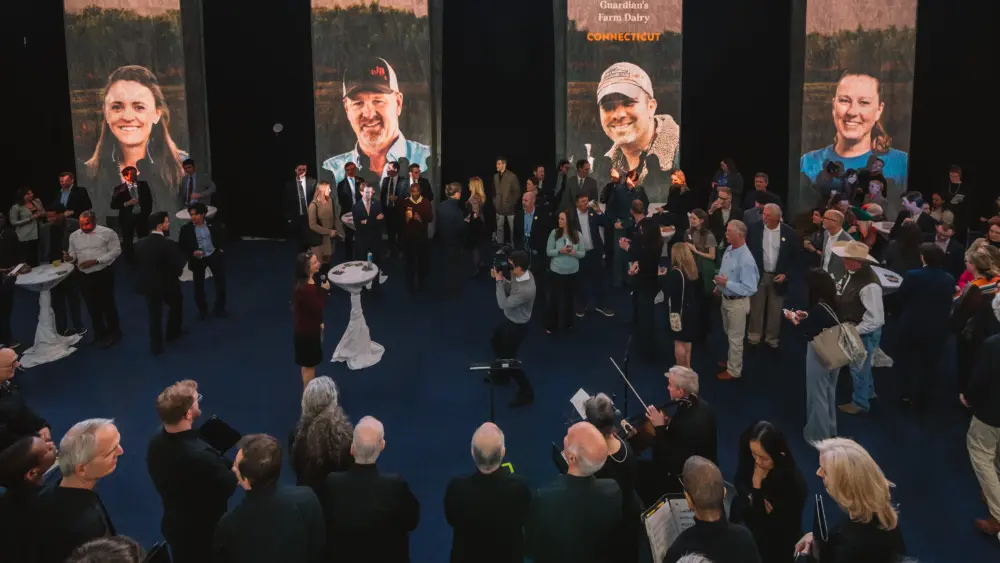
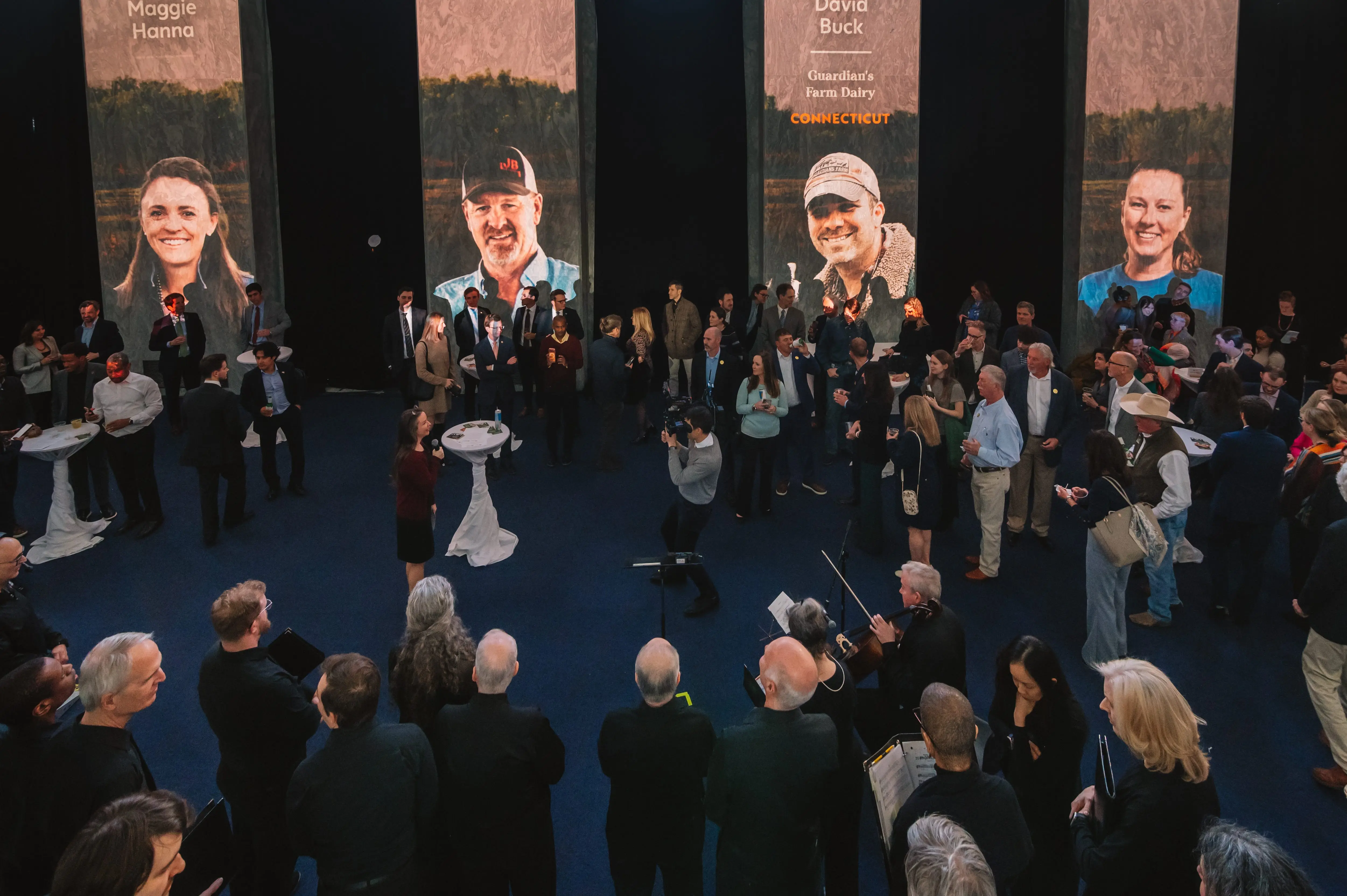
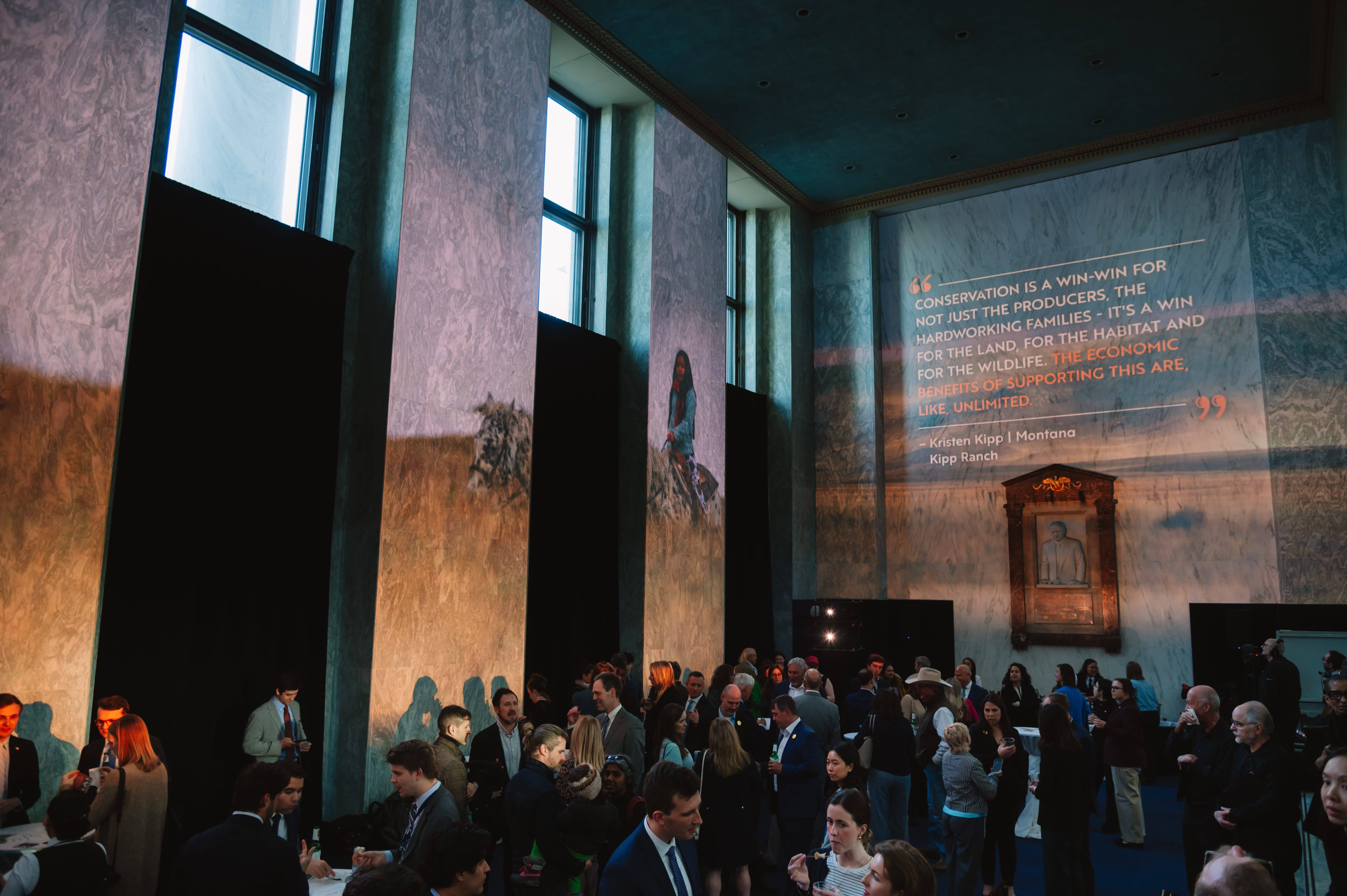
The announcement was made during a reception at the U.S. Capitol Complex’s Rayburn House Office Building featuring a sweeping, large-scale art installation honoring American farmers who are using voluntary conservation practices to strengthen their operations and protect working lands. The immersive exhibit transformed the Rayburn Foyer into a floor-to-ceiling visual gallery showcasing portraits of farmers using conservation programs from all 50 states, alongside cinematic video elements and a live choral performance of the American folk song “Shenandoah.” The installation is designed to visually and forcefully underscore the connection between conservation practices and the American farmers and ranchers who depend on them. The reception also featured farmers from Arkansas, Colorado, Georgia, Iowa, Louisiana, Pennsylvania, and South Dakota. Biographies for participating farmers can be viewed here.
The launch comes at a critical moment for American agriculture as extreme weather, market volatility, and policy gridlock in Congress are placing unprecedented strain on producers. Meanwhile, Congress continues to negotiate a long-overdue Farm Bill and annual appropriations that will determine the future of federal conservation programs.
These programs – which include the Conservation Stewardship Program (CSP), the Agricultural Conservation Easement Program (ACEP), the Regional Conservation Partnership Program, and the Environmental Quality Incentives Program (EQIP) – are voluntary, locally led, and empower producers to invest in smart land management practices that improve productivity, increase profits, reduce input costs, and make their operations more resilient to droughts, floods, and supply chain shocks. Despite their immense popularity with and demand from producers, these programs are currently at risk from workforce reductions and potential cuts to their funding. A recent report by the USDA’s Office of the Inspector General examining staffing levels at the Department from January to June 2025 revealed that the Natural Resources Conservation Service, which administers these conservation programs, lost 22 percent of its staff. In addition, the version of the Farm Bill passed by the House Agriculture Committee proposes removing $1 billion from the Environmental Quality Incentives Program (EQIP) – which would undermine the historic provision passed and signed into law last year that significantly boosted federal funding long-term for conservation programs for American producers. A fact sheet underlining the importance of conservation programs to American agriculture can be found here.
Since its founding, Invest in Our Land has worked to raise the voices of farmers and ranchers who rely on conservation programs to boost productivity, reduce costs, and build long-term resilience. American Farmers for Conservation will formalize and expand this grassroots effort, connecting farmers across the country to shape the future of conservation policy. Already, 115 producers from 15 states have joined—and more are expected to join in the coming weeks and months.
For more information or to get involved, visit: https://investinourland.org/