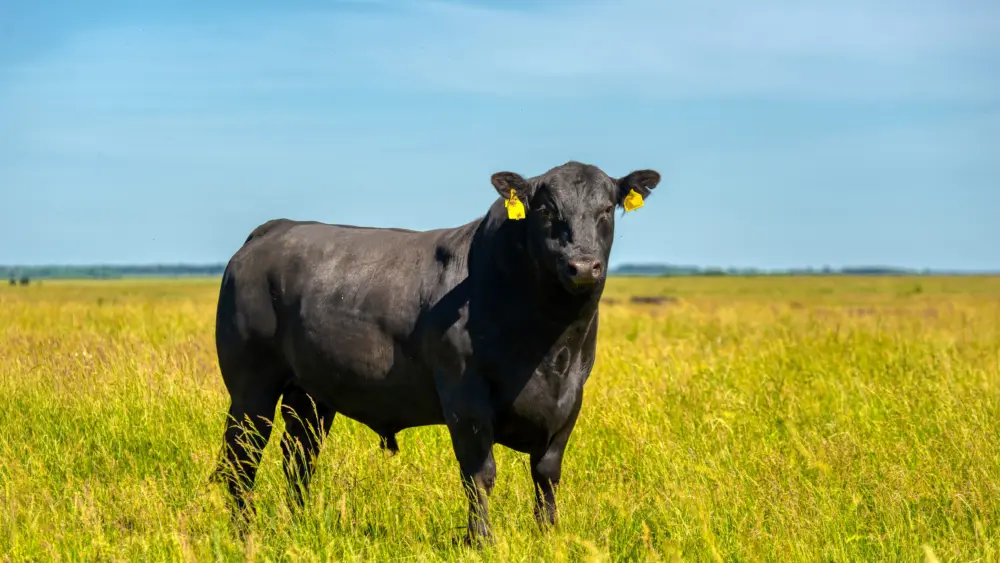
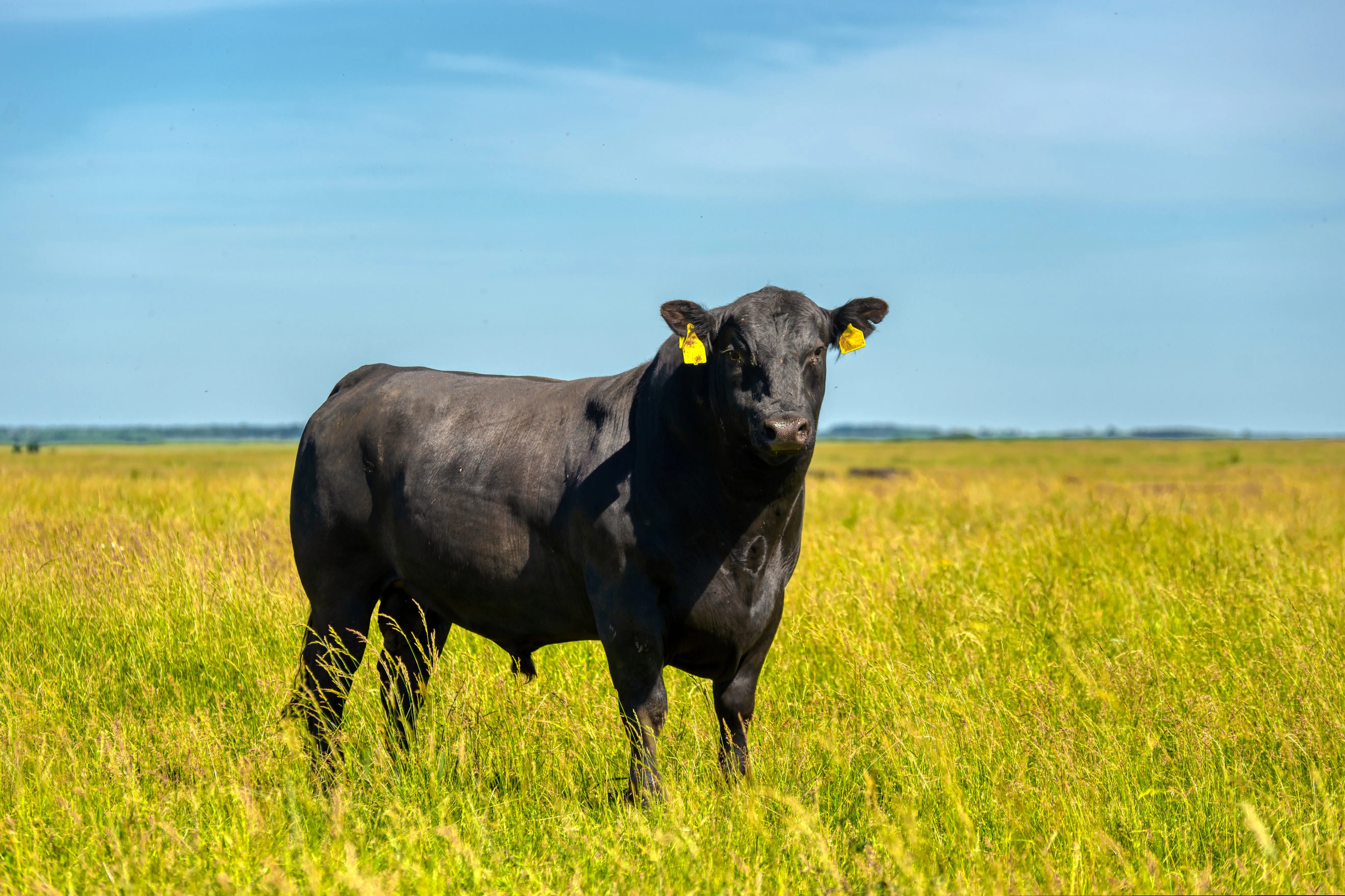
MANHATTAN, Kan. — With rising input costs and tighter margins across the cattle industry, determining what a bull is truly worth has become a more strategic decision than ever for cow-calf producers. Industry experts emphasize that a bull’s value extends far beyond his sale price, shaping herd performance and profitability for years to come.
Kansas State University cow-calf expert Jason Warner said producers should focus on the long-term return a bull brings through genetic improvement and marketability of future calves.
“The relative value of predictable genetics needs to be considered,” Warner said. “Bulls with genomic-enhanced expected progeny differences (EPDs) and higher accuracy values provide more confidence in their ability to perform and should be valued accordingly.”
While two bulls may appear similar on paper, differences in accuracy can significantly impact outcomes. Higher accuracy EPDs reduce risk and improve the likelihood that calves will meet performance expectations, particularly in traits tied directly to profitability.
“I encourage cow-calf producers to consider their relationship with their genetic supplier of choice as something more than just transactional,” Warner said.
“Communicate with your bull provider and let them get to know your operation and what your needs for your cow herd are. That way they can help guide the genetic selection decision and help ensure that the bull purchased is the right fit for your cow herd that can help make genetic progress where it is needed most.”
Beyond genetics, Warner noted that value-added marketing opportunities are playing a growing role in determining a bull’s worth. Calves that meet specifications for premium programs — such as those focused on carcass quality or source and age verification — can generate additional revenue, increasing the return on investment for genetically superior sires.
Producers are encouraged to evaluate how a bull will influence their operation as a whole. Key considerations include whether the bull will improve uniformity in the calf crop and whether his genetic profile aligns with the herd’s production goals.
Traits such as growth, carcass merit and maternal performance should be prioritized based on the operation’s primary revenue streams.
Cost management is also a critical piece of the equation. Warner said producers should account for depreciation over the bull’s working life and fairly distribute that cost across the number of cows he is expected to breed. This approach provides a clearer picture of the bull’s annual investment and return potential.
To make sound purchasing decisions, Warner encourages producers to prepare ahead of sale day. Identifying multiple bulls that meet both genetic and phenotypic criteria, setting a realistic budget and maintaining discipline during bidding can help avoid overpaying.
“Have a plan going in,” Warner said. “Select bulls that fit your program, understand their value to your operation, and stick to your budget.”
Ultimately, experts agree that a well-selected bull is one of the most influential investments in an operation. By prioritizing predictable genetics, aligning with market opportunities and managing costs, producers can position their herds for long-term success.