WASHINGTON – Last week, both the House and Senate introduced resolutions supporting the 2026 International Year of Rangelands and Pastoralists (IYRP) sponsored by Senators Cynthia Lummis (R-WY), Ben Ray Luján (D-NM) and Reps. Celeste Maloy (R-UT) and Jim Costa (D-CA). The Public Lands Council (PLC) supports these resolutions to honor the conservation work of ranchers, researchers, rangeland conservationists, and many more critical to maintaining millions of acres across the United States and the world.
“The International Year of Rangelands and Pastoralists is about celebrating everyone that dedicates their lives to keeping range and pasturelands healthy. U.S. cattle and sheep producers carry out voluntary conservation work every day to preserve our natural landscapes through targeted grazing,” said PLC Secretary and Colorado rancher Robbie LeValley. “The work we do as ranchers is made possible by a strong network of individuals that are as passionate about maintaining our treasured natural resources as we are. PLC thanks House and Senate leaders for introducing these resolutions and commemorating this important work in the congressional record.”
Background
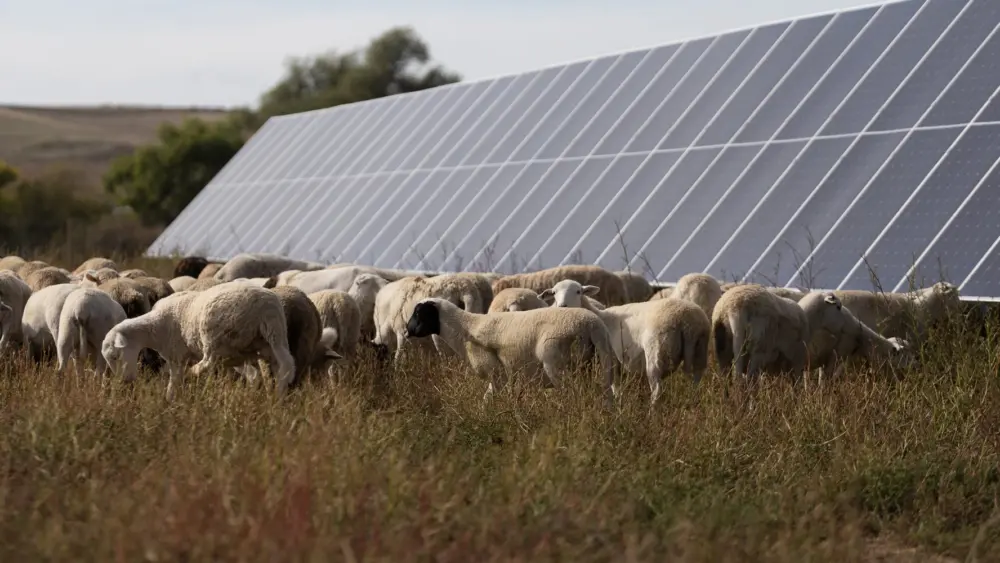
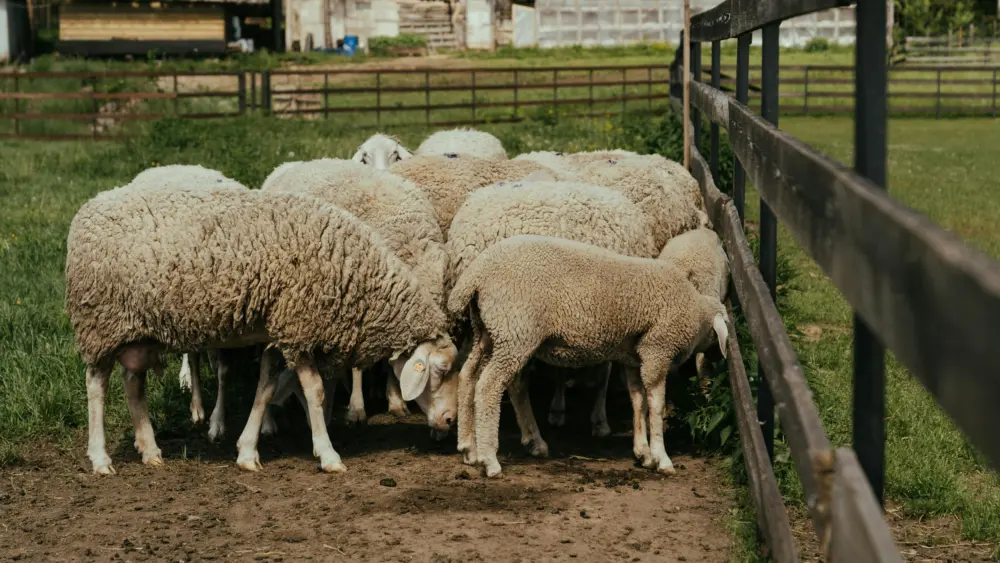
The United Nations designated 2026 as the “International Year of Rangelands and Pastoralists” to recognize the vital nature of rangelands and the significance of pastoralism to the stewardship and societal benefits of rangelands. Grazing on federal rangelands and grasslands is an essential tool that helps conserve and improve some of the West’s most iconic landscapes. Today, cattle and sheep graze on approximately 22,000 allotments that total nearly 250 million acres on Bureau of Land Management or U.S. Forest Service land. Ranchers are the backbone of the rural economy in the western United States, contributing to the national beef, lamb, and wool supply chains – collectively worth more than $73 billion annually. Ranchers support other local businesses, return money to the land by investing in range improvements, and contribute to the tax base that funds schools, conservation work, and other important public services. Additionally, ranchers make the billions of dollars generated by recreation, timber production, and other industries possible by keeping our public lands green, healthy, and undeveloped.