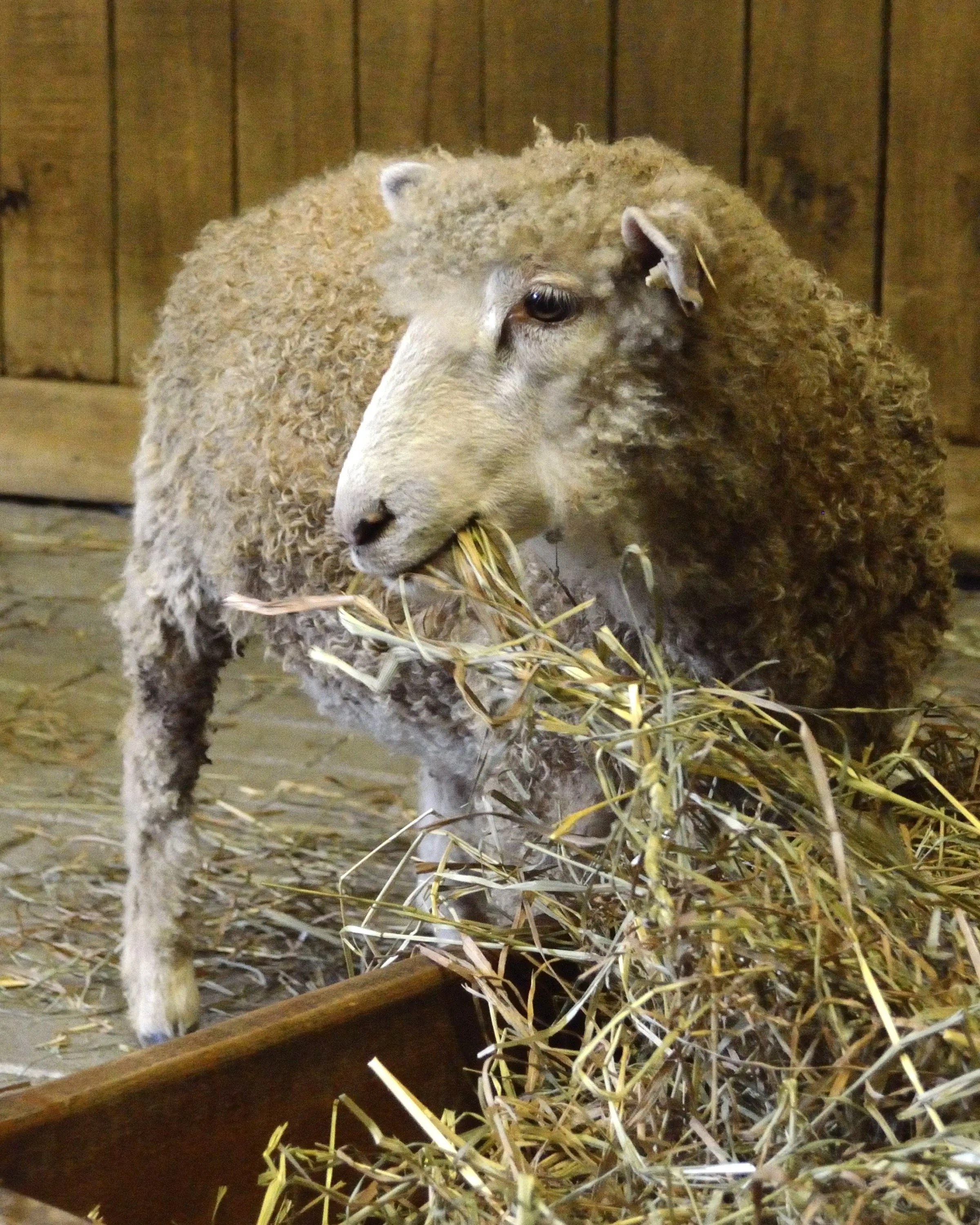
Cotswold sheep have been reclassified as Critically Endangered by The Livestock Conservancy on the group’s annual Conservation Priority List. The number of Cotswold sheep worldwide has declined. Photo Credit: Jeannette Beranger/The Livestock Conservancy
PITTSBORO, NORTH CAROLINA – The Livestock Conservancy, a national not-for-profit organization dedicated to the conservation, protection and promotion of rare agricultural breeds in the United States, has released its 2026 Conservation Priority List. This roster of more than 180 breeds across 11 species ranks the extinction threat for America’s farm animals. In 2026, two formerly endangered breeds graduated from the list.
Working closely with breed associations, breeders and conservationists, The Livestock Conservancy thoroughly analyzes data on each breed’s status, risks and opportunities. The results place each breed in one of four categories, from Critical (most endangered) to Threatened, Watch and Recovering (least threatened). The annual list drives specific conservation programs, outreach efforts and promotion of heritage breeds. Thousands turn to the CPL when selecting heritage livestock and poultry breeds for their operations. This is the 40th year for the CPL.
“More than 4,000 volunteer breeders and 150-plus breed associations work diligently to ensure these endangered breeds don’t disappear from our farms, ranches and backyards throughout America,” explained Allison Kincaid, executive director of The Livestock Conservancy. “In addition to historical roles tracing back as much as 500 years in North America, these breeds continue to make important contributions to our country’s sustainable food and fiber needs.”
Belgian Horses Graduate
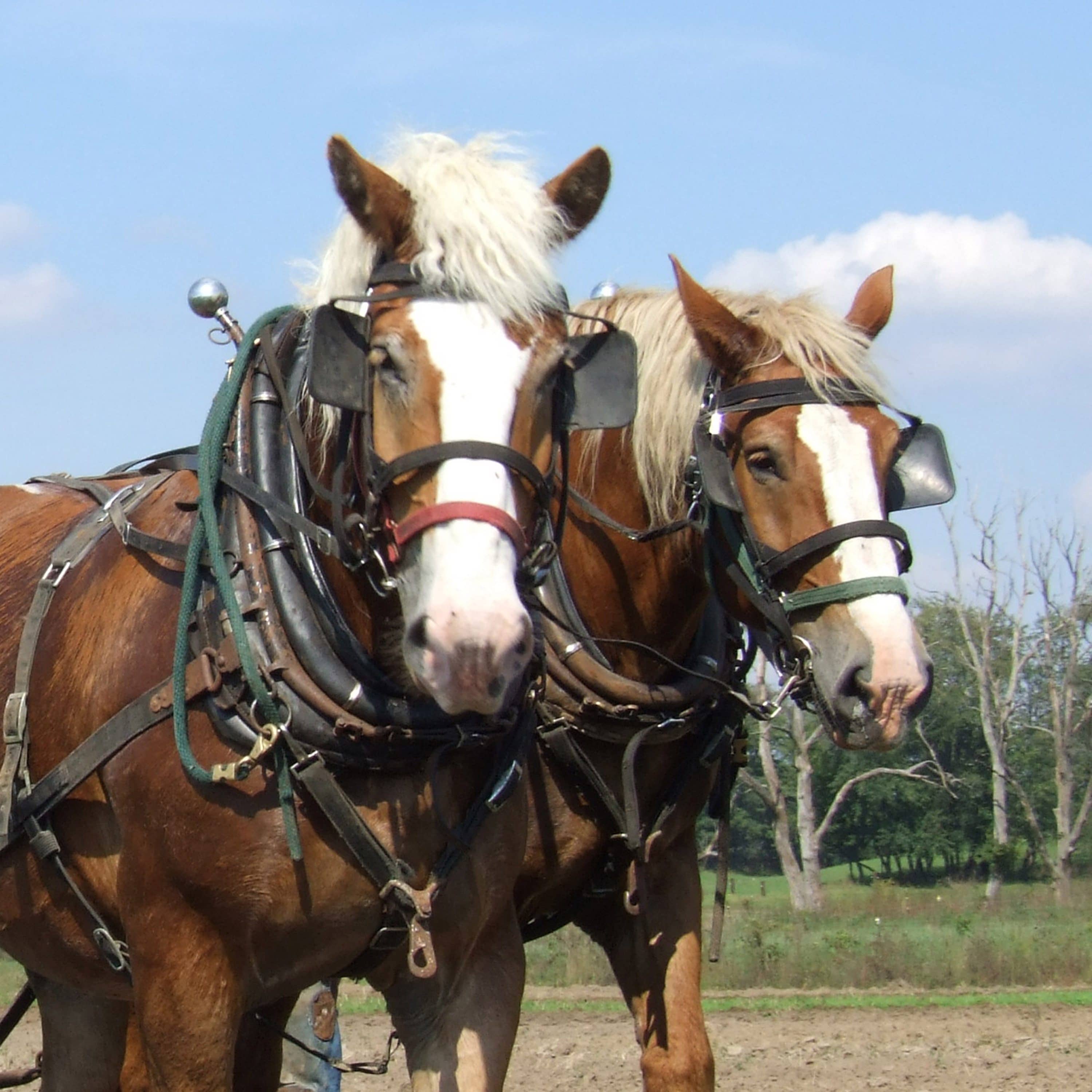
The Belgian horse graduates from the CPL in 2026. It is the most common draft horse breed in the United States, but this was not always the case.
Following several importations from Belgium in the late 1800s, the breed enjoyed tremendous popularity as a draft horse in the U.S. Subsequent importations and active breeding in America met the demand. American breeders began to make the “Great Flemish Horse” their own. They selected for a taller, less massive horse than the original type and preferred chestnut and roan colors.
Imports nearly halted after the World Wars in Europe, and American horses were cut off from their Belgian cousins. As with many draft breeds, the popularity of mechanized equipment at this time also led to a decline in demand. Horses that once found a home on farmsteads across America, doing the heavy work of plowing, logging and hauling, were soon replaced by tractors and automobiles.
The dedicated work of the Belgian Draft Horse Corporation of America and hundreds of breeders has restored the breed’s popularity, making the Belgian, as they call it, “America’s Draft Horse Breed Supreme.” Thanks to their efforts, Belgian horses graduate from the CPL with more than 25,000 horses.
Silver Fox Rabbits Graduate
Rabbits were added to The Livestock Conservancy’s mission in 2005, first appearing on the CPL in 2006. Twenty years later, Silver Fox rabbits are the first breed of rabbit to graduate from the CPL First listed in the Critical category in 2006, the impressive growth of Silver Fox rabbits took place through diligent breeding and promotion for both meat production and exhibition. Silver Fox rabbits are an American breed, found nowhere else in the world. Breeders have emphasized selection for growth and body weight, as well as dense fur that characterizes the Silver Fox.
A census conducted by members of the Silver Fox Rabbit Breeders Club in late 2023 found over 3,200 rabbits in rabbitries and on homesteads and small farms across the country. Growth has continued, and as of 2025, more than 1,050 rabbits have been shown at National shows in the past five years, and there were 207 registered rabbits.
“This club has worked tirelessly to make this happen, and I am thrilled with this accomplishment!” Hannah Ramirez, president of the Silver Fox Rabbit Breeders Club, said.
With well over 250 breeders actively raising Silver Fox rabbits, this useful and attractive breed is on secure ground for the future.
Several more rabbit breeds have improved their status. American, Blanc de Hotot and Silver rabbits move from Threatened to Watch, while Palomino rabbits move to Recovering. On the other hand, monitoring global status is vital to conserving breeds like Cotswold sheep, where the population in the U.S. now represents about half of the global population of roughly 2000 sheep. Declining numbers in their native United Kingdom led to the Cotswold sheep being placed in Critical this year. New to the CPL is another UK emigrant, the Shetland duck.
“Thanks to the hard work of family farmers and the associations that represent individual breeds, several breeds of livestock and poultry, such as Red Devon cattle, Tennessee Fainting goats and Polish chickens, need only a few more serious breeders to achieve the next step in growth that will help them graduate from the List,” Alison Martin, program director for The Livestock Conservancy, said.
Kincaid added that further conservation work is needed not only to improve the status of breeds but also to ensure the survival of unique livestock and poultry.
“Many of the breeds that are found only in North America and have played important roles in our nation’s history are now critically endangered,” she said. “Rare farm animals represent an irreplaceable piece of the Earth’s biodiversity. They offer remarkable genetic diversity and distinctive production traits, including disease resistance. Saving these breeds is vital to meeting today’s sustainability challenges and ensuring food security for the future.”
Since its inception four decades ago, no breed on the CPL has gone extinct. In the last dozen years, 14 endangered breeds have graduated from the CPL.
To learn more about The Livestock Conservancy’s 2026 Conservation Priority List, where to locate heritage breed products in your local area and how you can get involved in the rare breed conservation of cattle, chickens, donkeys, ducks, geese, goats, horses, pigs, rabbits, sheep and turkeys, visit www.LivestockConservancy.org.