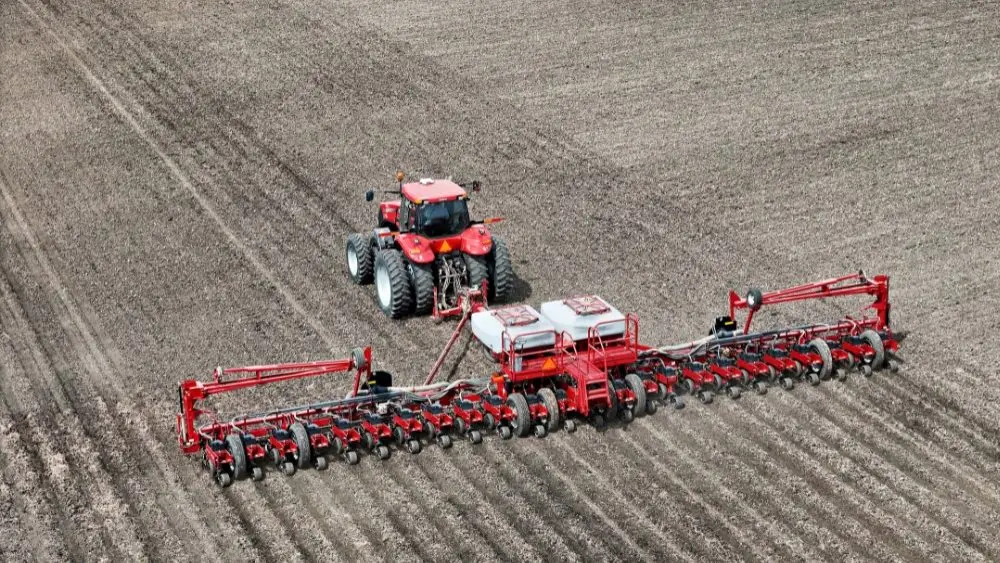
Photo courtesy of Pioneer
Two primary fertility strategies are generally adopted to help match crop demand with plant-available nutrients: the build-and-maintain approach and the sufficiency approach.
The build-and-maintain approach aims to raise soil nutrients just above critical levels, applying nutrients at annual or biennial crop removal rates. This provides a buffer against application variability and is preferred for rented land or when crop prices are high relative to fertilizer.
The sufficiency approach applies only what is necessary to meet a crop’s immediate nutrient requirements for maximum yield. This method is most logical when there are high fertilizer costs relative to crop prices, limited resources or when operating under a short-term land tenure.
Regardless of the strategy, the following rules of thumb apply:
- Always fertilize when nutrients are below the optimal range
- Avoid application on high-testing soils
- Never apply on soils testing in the very high range
- When in doubt, fertilize based on expected crop removal rates
“Each layer of data – soil testing, yield, variable rate seeding, etc. – help build the story,” said Haily Sand, Source Labs nutrient management specialist and GPS specialist, on the Pioneering Wisconsin’s Ag Future podcast. “After all, we can’t say ’24 and ’25 are the same, right? By accounting for the differences in those years, we can give our farm reliable ranges, and then you can determine in 2026, ‘Do I want to stay in that safe, conservative zone that has worked in years past, or do I want to be a little bit more risky?’”
Nitrogen
Nitrogen, a primary yield driver, is the most volatile fertilizer nutrient. It is highly susceptible to loss through volatilization, leaching or denitrification, depending on local climatic conditions, topography, soil type, residual level, form of nitrogen fertilizer applied and application timing relative to plant growth.
Controlled-release nitrogen fertilizers can reduce losses by delaying the initial supply of nitrogen and gradually releasing it. Nitrogen stabilizers such as Instinct NXTGEN® and N-Serve® are another management strategy in scenarios with a high risk of nitrate losses such as tile-drained soils with high leaching potential, wet or poorly drained soils or fields with nitrogen applied in the fall or spring before planting.
Phosphorus
Since phosphorus is vital for early-season growth but immobile in the soil, timing and placement are everything. High-solubility fertilizers and soil incorporation can provide more opportunities for plant uptake. In no-till systems, surface-applied phosphorus can lead to shallow root structures. Incorporating phosphorus fertilizer ensures a more uniform distribution in the root zone.
Potassium
While potassium rarely leaches in heavy soils, it can be susceptible in soils with a low cation exchange capacity. To prevent environmental loss, avoid applying potassium on frozen or snow-covered fields where surface runoff is a high risk.
Micronutrients
While essential, micronutrients are often naturally sufficient. When considering micronutrient applications, soil testing is generally not a reliable tool to predict deficiencies. Tissue testing, soil properties and growing conditions together are a more complete diagnostic approach.
Soil Testing and Field Conditions for Planting
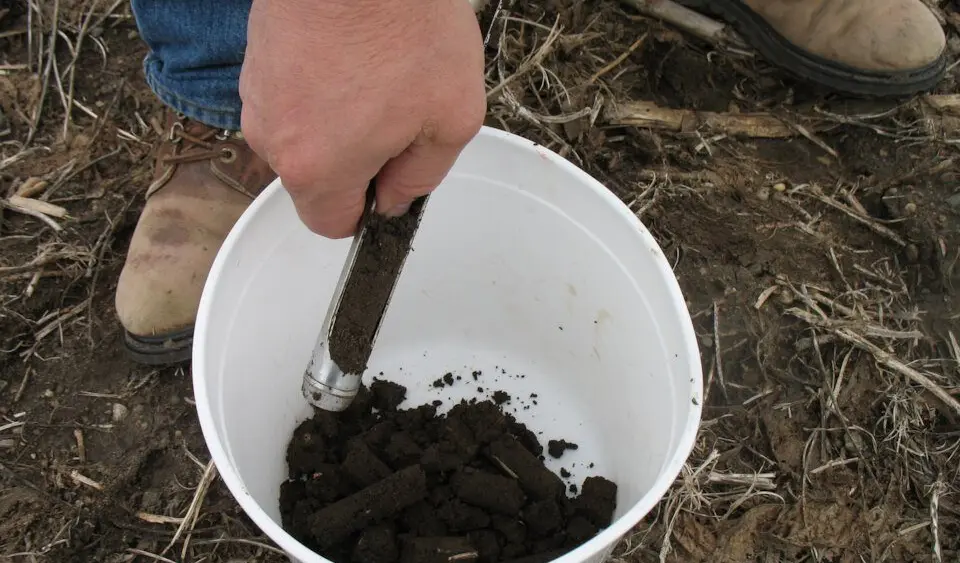
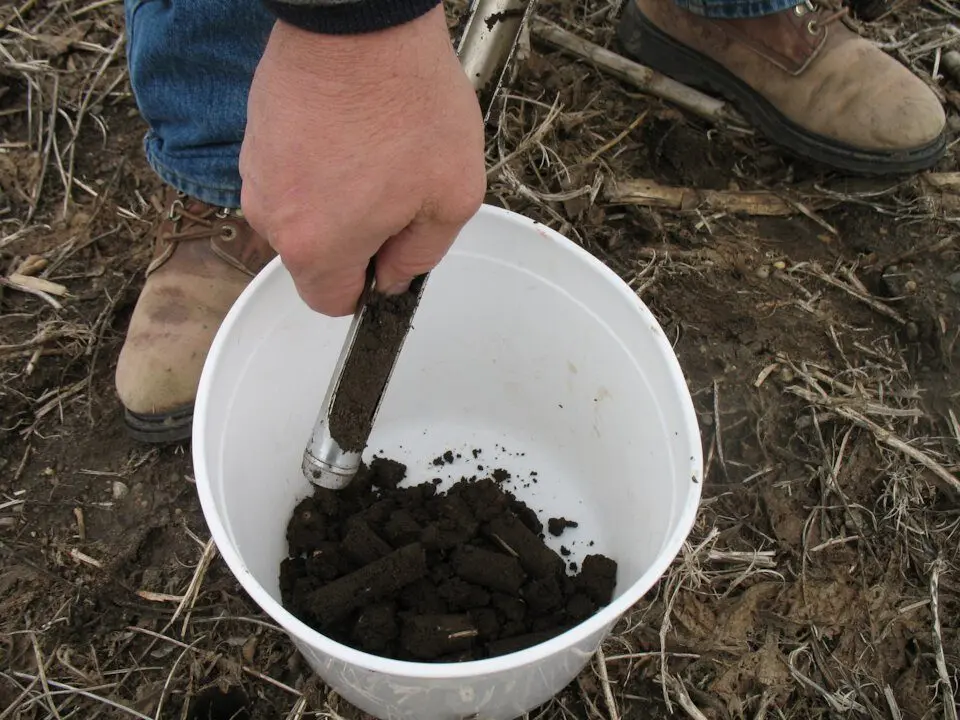
Soil testing remains one of the most cost-effective practices to help growers minimize risk and maximize profitability by providing a data-driven foundation for input decisions.
For the most accurate results, a representative sample from across the field should be collected according to laboratory instructions. Ideally, sampling should occur three to six months prior to planting the next crop to allow time for pH and nutrient adjustments.
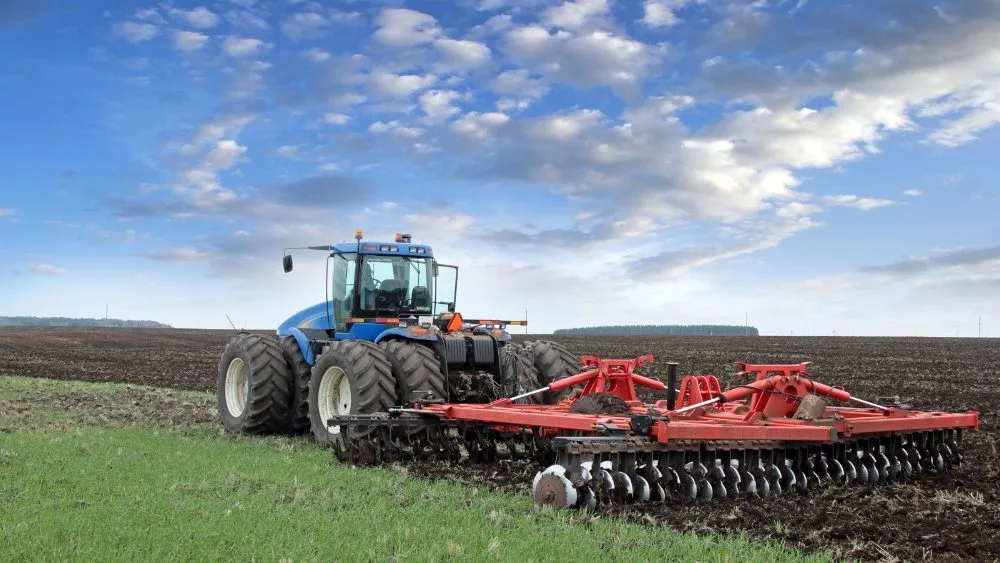
Before the first pass of equipment, remember to check conditions to reduce the risk of structural damage in the field.
Soil in the top 3 to 4 inches should be dry enough to crumble under pressure. If the soil can be squeezed into a ribbon or ball without breaking, it is too wet and prone to compaction. If the soil is too dry, inspect the top 6 inches for saturation and plan to minimize tillage to prevent erosion unless absolutely necessary.
Finally, remember that crop residue can contribute to nutrient availability as it decomposes. If harvested or removed, those lost nutrients should be considered when calculating fertilizer rates.