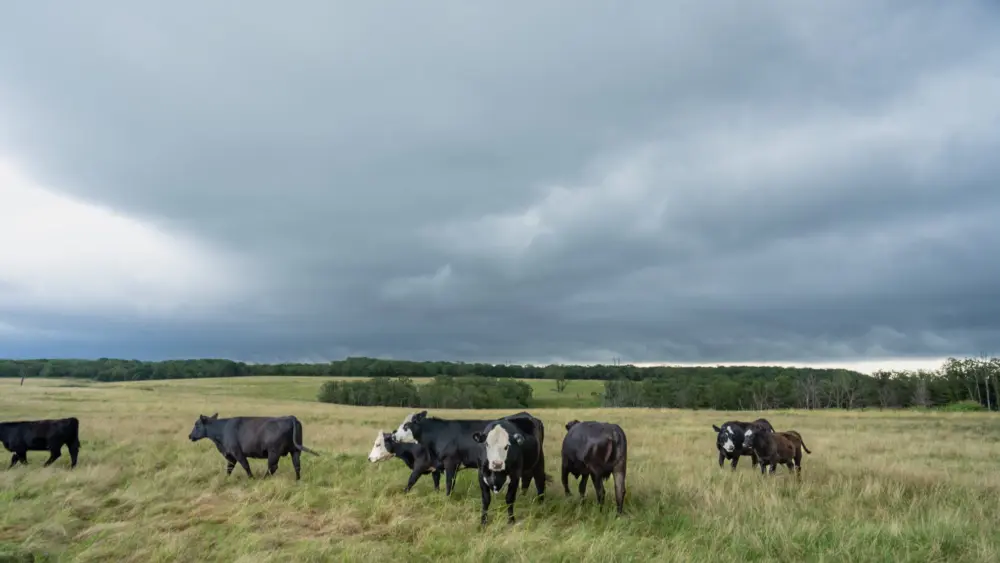
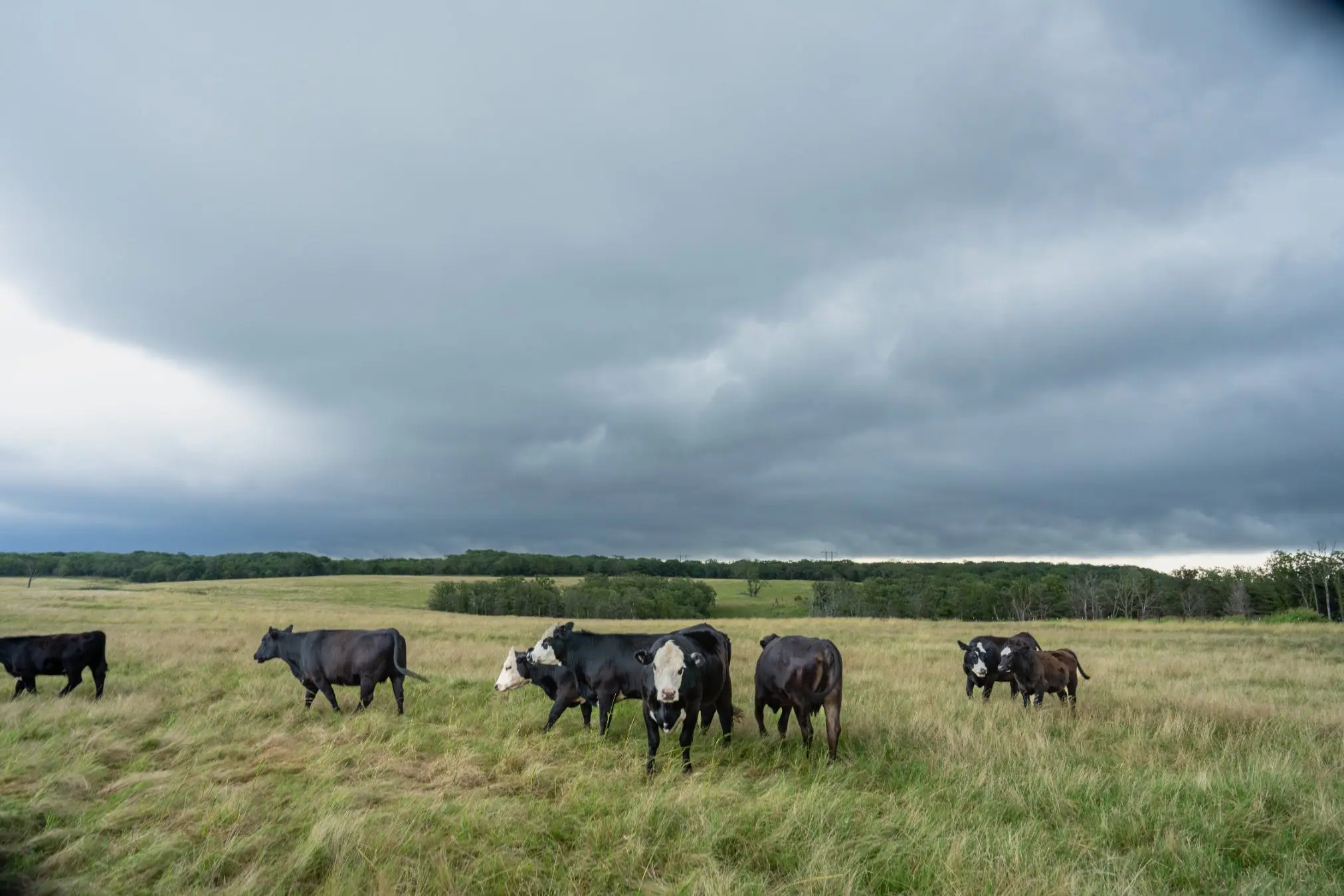
Leaning Oak Ranch manages 2,000 pairs on pasture.
DULUTH, Ga. (April 7, 2026) — For Oklahoma cow-calf producer Buck Rich, good deworming doesn’t end in the chute. It continues in the pasture, where grazing, forage height and herd health play just as big a role in parasite control as the products they use.
“For me, parasites equal economics,” said Rich, Leaning Oak Ranch, Okemah, Oklahoma. “I look at the economic impact they have on our operation, everything from treating them to the damage they cause.”
Healthy pastures start with smart grazing
Together, Rich and his veterinarian, Tyler Thomas, DVM, owner and operator of Prague Veterinary Clinic, Prague, Oklahoma, have fine-tuned a proactive approach that keeps cattle productive and pastures thriving.
“Pasture management is probably the most important thing we do,” shared Rich. “A lot of old-timers weren’t ranchers; they were grass farmers. And that holds true today.”
Healthy grass supports healthy cattle, and how it’s grazed can make or break parasite pressure on an operation. For Rich, that means keeping close watch on pastures, rotating herds regularly, and following a “take-half, leave-half” philosophy to protect forage quality and minimize parasite exposure.
Dr. Thomas noted that the link between grazing height and parasite load is one of the simplest, but most overlooked, aspects of cattle management.
“We know the vast majority of infective larvae are in the bottom four inches of forage,1” stated Dr. Thomas. “If you keep your cows grazing above that, they’re not picking up nearly as many parasites.”
By carefully planning pasture rotation and avoiding overgrazing, it’s possible to disrupt parasite cycles and create healthier grazing environments for your herd.
“Overgrazing doesn’t just hurt your grass,” added Matt Washburn, DVM, Boehringer Ingelheim. “It increases parasite exposure and damages pasture health by compacting the soil and disrupting the root system. When that happens, it can take a long time for grass to recover.”
Turning good pasture practices into results takes commitment. Rich knows the key is staying involved: watching the land, reading the cattle and adjusting when needed.
“We’re definitely a hands-on operation,” said Rich. “We don’t just kick cattle out and come back in a few months. Even if we’re not feeding, we’re checking cattle, checking pastures and rotating as we can.”
Year-round management builds resilient herds
Beyond the pasture, good management also means giving cattle what they need to stay healthy year-round. Administering a consistent vaccination protocol, quarantining new arrivals and using low-stress handling all support an animal’s natural defense against parasite challenges.
“Good management isn’t a one-time decision,” said Dr. Thomas. “It’s every choice you make throughout the year that adds up to healthier cattle.”
A veterinarian-guided vaccination schedule helps protect against common respiratory and reproductive diseases that can compromise the immune system. Parasites will take advantage of cattle with weakened immunity, compounding the impact of other health challenges the animal may be facing. When cattle are healthy and well-vaccinated, they’re better equipped to resist parasite pressure, and respond effectively to deworming treatments.
Stress management also ties directly into that approach. Stress from handling, overcrowding, temperature swings or nutritional changes can weaken the immune system, and make cattle more vulnerable to parasitic infection. Moving cattle calmly, minimizing loud noises and avoiding the use of prods are all low-stress handling techniques to consider.
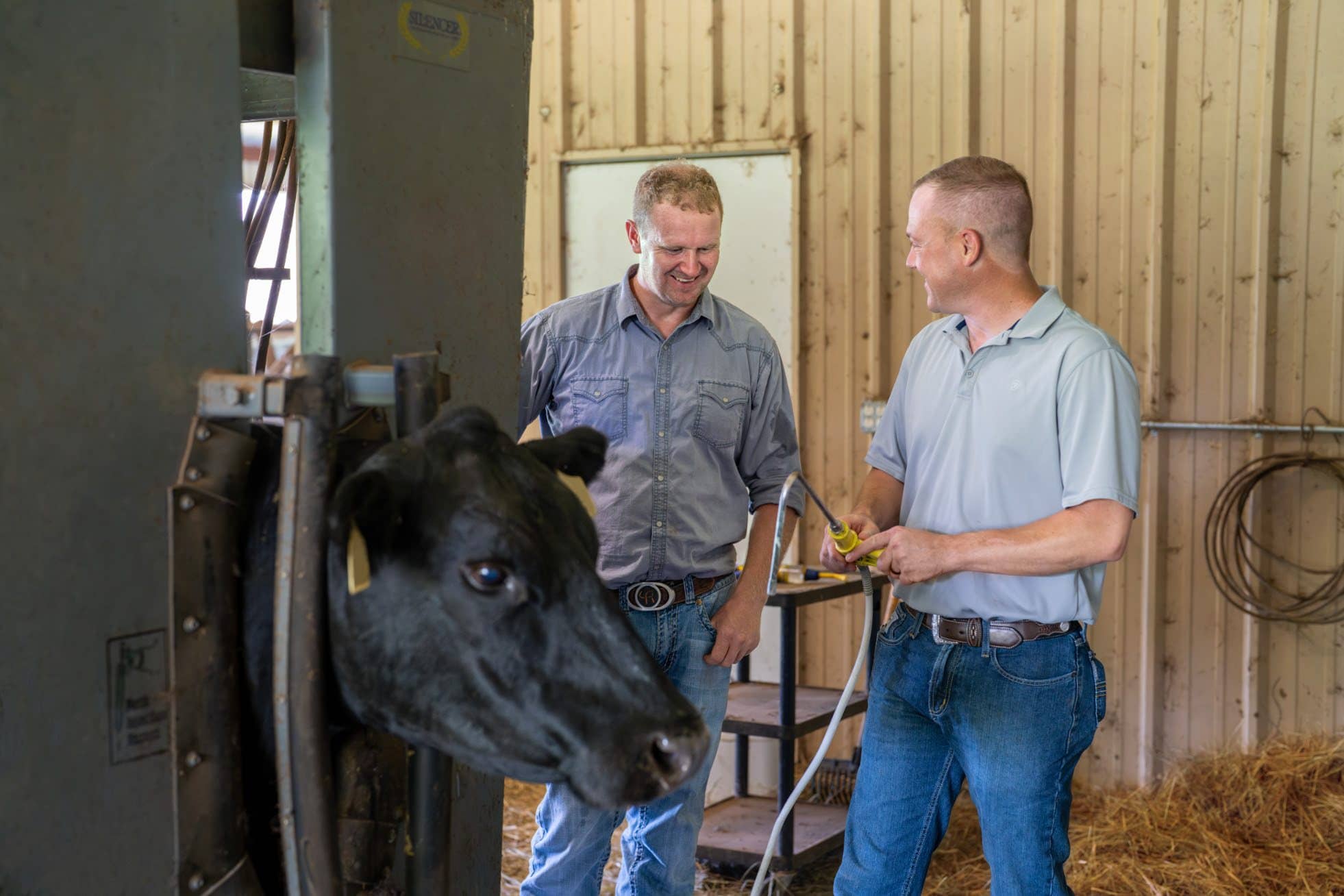
Dr. Washburn added that quarantining new animals before they enter the main herd is another simple but powerful management step. New cattle can bring resistant parasites or unfamiliar diseases onto the operation. Keeping them isolated for observation, testing and treating if required adds an extra layer of protection that helps maintain pasture health and prevents the introduction of new parasite populations.
Pair management with smart product choice
Strong management goes beyond daily decisions. It’s also about knowing when to act. That includes using the right tools at the right time to complement grazing and herd health efforts. On Rich’s operation, a no-withdrawal pour-on provides a convenient option for timely cleanup when cattle are being sorted or marketed.
“If we’re sorting off a few open cows that need to go to town, we sometimes hit them with a dose of EPRINEX® [eprinomectin],” shared Rich. “The no-withdrawal period is really convenient when we need to clean up the cattle before they ship.”
That kind of flexibility — knowing when to treat, what to use and how to support herd health year-round — is what keeps both cattle and operations productive.
“It’s all about maximizing the profitability of the gain that’s out there,” said Dr. Washburn. “We’ve reached a point with our deworming products where we’ve got to do something to make them last. Focusing on holistic, sustainable deworming is a good way to do that.”
Drs. Thomas and Washburn agree sustainable deworming isn’t about doing more, it’s about using every available tool in a thoughtful, strategic way. Management, along with diagnostics, refugia and combination treatment, work together to help protect the effectiveness of today’s dewormers and support long-term herd health.
“As a producer, we’ve got to use every tool to our advantage,” emphasized Rich. “The best way to show a profit at the end of the year is to not waste money. Don’t let parasites waste your money.”
EPRINEX IMPORTANT SAFETY INFORMATION: No meat or milk withdrawal is required when used according to label. Do not use in calves intended for veal or unapproved animal species, as severe adverse reactions, including fatalities in dogs, may result. For more information, including full prescribing information, visit https://bit.ly/4o0vXHe or call 888-637-4251.