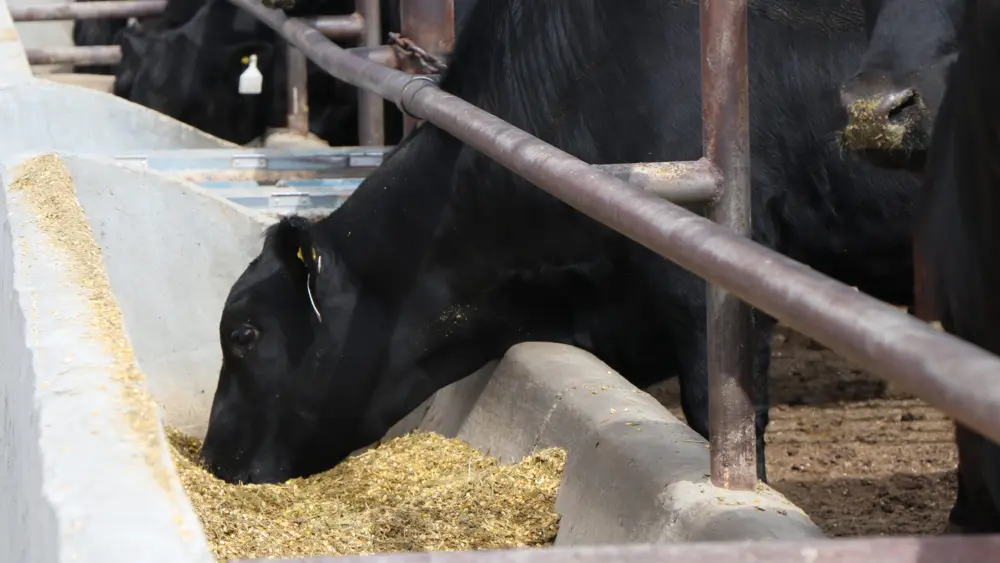
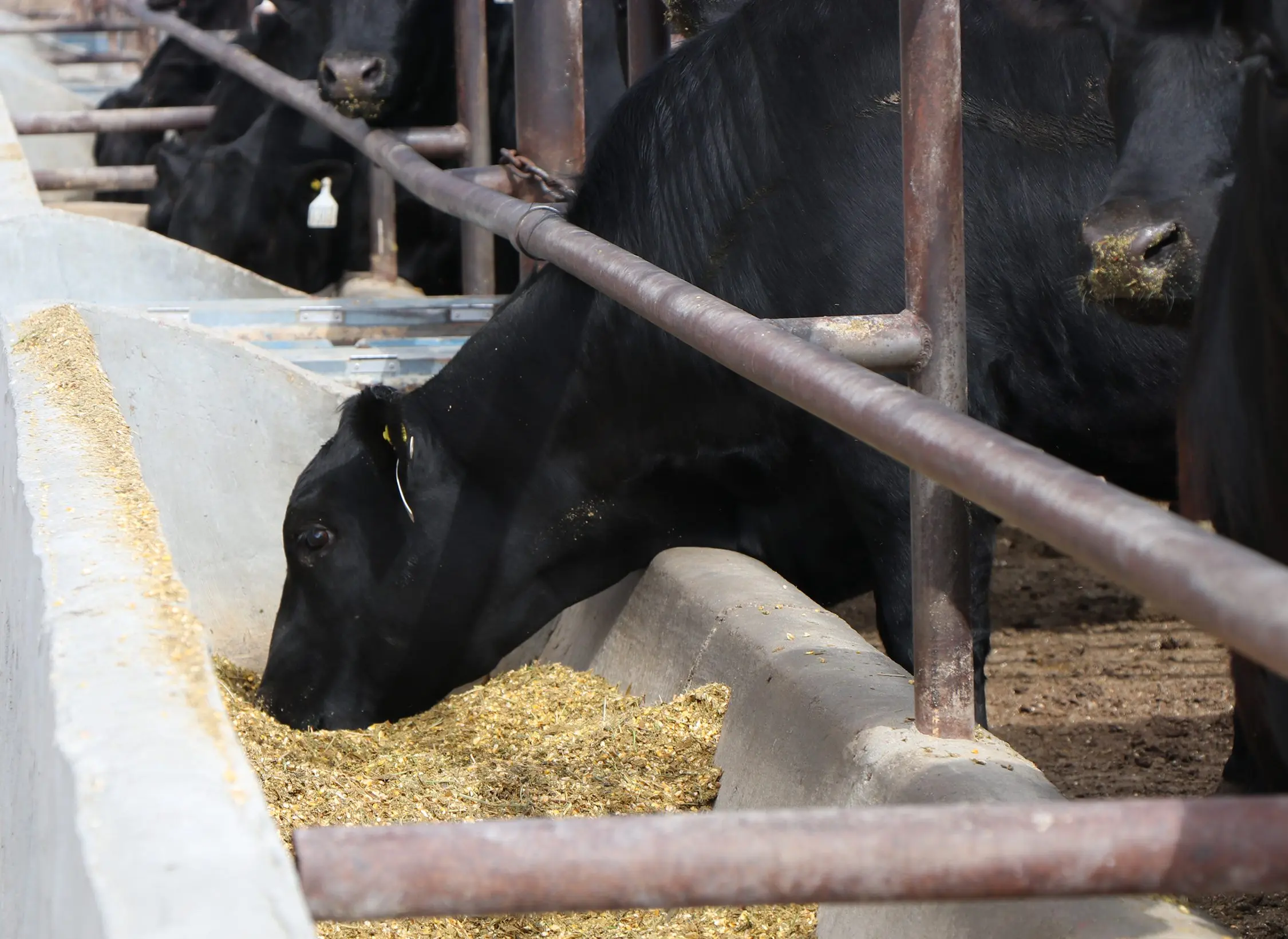
When cattle are limit-fed, make sure they have enough bunk space. Photo by Chabella Guzman
The Trump administration is preparing to temporarily lower tariffs on imported beef in an effort to ease record-high beef prices for American consumers. According to sources familiar with the plan, the administration could suspend the current tariff-rate quota system as early as Monday, allowing more beef from overseas to enter the U.S. market at reduced tariff rates.
Under the current system, beef imports face higher tariffs after a certain volume threshold is reached each year. Suspending those limits would open the door for larger volumes of imported beef from countries already supplying the U.S., including Brazil and Australia.
Alongside the tariff changes, the administration is expected to announce additional measures aimed at supporting U.S. cattle producers. Those efforts include directing the Small Business Administration to expand loans and access to capital for ranchers while also rolling back several federal regulations. Among the planned changes are easing protections for gray and Mexican wolves under the Endangered Species Act and removing certain USDA requirements for electronic ear tags on livestock.
According to a Wall Street Journal article, a White House official said the administration views the import changes as a short-term solution to supply shortages while regulatory relief is intended to lower production costs for ranchers over time.
The executive actions come as beef prices remain one of the more persistent inflation concerns for consumers. While prices for products such as eggs and milk have moderated over the past year, beef prices have continued climbing. Ground beef prices are now roughly 40% higher than they were five years ago.
The administration previously approved additional beef imports from Argentina earlier this year in another attempt to help stabilize domestic prices.
The latest move also represents another tariff adjustment by the Trump administration ahead of the November midterm elections. In recent months, the administration has rolled back or delayed tariffs on several consumer-related goods, including some food products, lumber, and furniture. The White House has also modified steel and aluminum tariff policies in an effort to reduce compliance burdens for businesses.
The rising cost of beef has largely been tied to historically tight cattle supplies in the United States. According to USDA data, the national cattle herd has fallen to its lowest level in 75 years after years of drought and financial pressure prompted ranchers to reduce herd sizes. Despite stronger cattle prices and improved profitability, many producers have been slow to rebuild herds because expansion can take several years.
Analysts estimate meaningful herd growth may not occur until at least 2028, and industry officials say cattle numbers may still remain below pre-2020 levels even then.
The U.S. currently imports about 20% of the beef it consumes, with imports projected to reach nearly 6 billion pounds in 2026, a record volume. Much of the imported product consists of lean beef from South America that is blended with fattier domestic beef trimmings for ground beef production.
Brazil has emerged as one of the largest suppliers to the U.S. market and recently surpassed the United States as the world’s top beef-producing country, accounting for roughly 20% of global supply according to USDA figures. The country is also home to JBS, the world’s largest meatpacking company.
Brazilian beef imports currently operate under a tariff-rate quota that allows up to 65,000 tons of product to enter the U.S. before a 26% tariff is applied. That quota was reached in January. During the first quarter of this year, Brazil shipped $795 million worth of beef to the U.S., up 21% from the same period a year earlier. Total Brazilian beef exports to the U.S. reached a record $1.75 billion last year.
The Brazilian Association of Meat Exporting Industries has recently urged Brazilian President Luiz Inácio Lula da Silva to push the Trump administration to revisit the quota system during ongoing trade discussions.
Trump and da Silva met at the White House last week where the two leaders discussed tariffs, trade relations, crime, and potential investments tied to Brazilian critical minerals.
Brazilian Beef Imports Surge as U.S. Scrutiny Intensifies and Cattle Markets React