
(WASHINGTON D.C.) — Coming off a major House victory on year-round E15, American Farm Bureau Federation Vice President of Public Policy Dr. John Newton says the organization is turning its attention to the Senate, where momentum is building on a long-awaited farm bill markup and continued congressional focus on the fertilizer crunch hitting rural America.
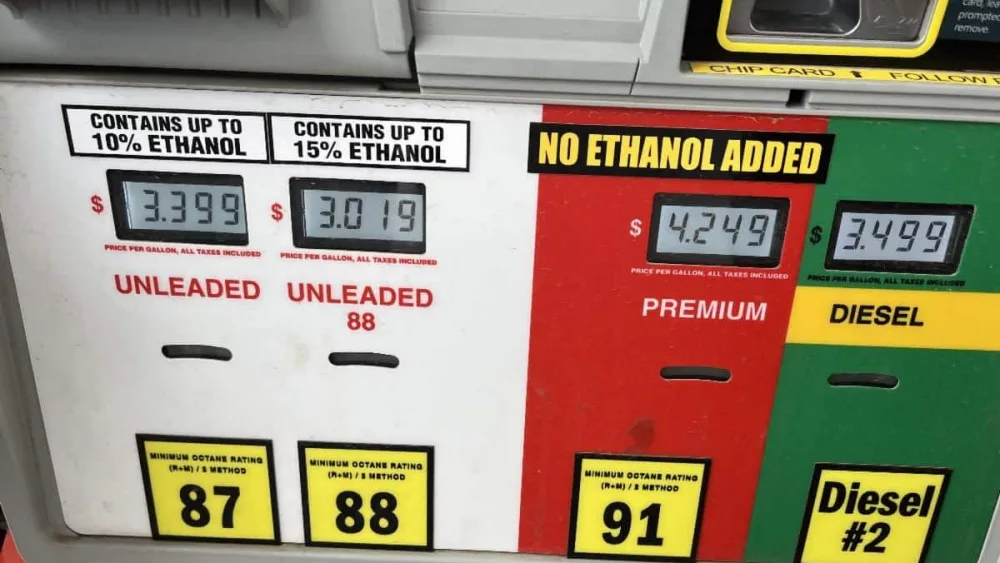
Speaking Thursday on Agriculture of America, Newton called Wednesday’s House passage of E15 legislation a watershed moment for an issue Farm Bureau has championed for more than a decade.
“It’s a huge win for E15,” Newton said. “We’ve been working on this at Farm Bureau for well over a decade, and to see it move in the House — move in a bipartisan way — we’re real excited to get over to the Senate and ultimately get it to the president’s desk, which we think we will be able to do this year.”
The vote came after late floor maneuvering by oil-state Republicans, but a bipartisan coalition ultimately pushed it through.
E15 in the Senate
Newton acknowledged the Senate version could look different from what cleared the House, but said he is confident the upper chamber will ultimately deliver year-round E15.
“All the visits I’ve done on Capitol Hill, there is unanimous support for year-round E15,” he said. “Everybody knows what it’ll do to gas prices. Everybody knows what it’ll do to the farm economy.”
The biggest sticking point in the Senate remains small refinery exemptions — a long-standing dividing line in biofuels policy — but Newton said a workable path exists to land a final product all stakeholders can accept.
Senate Farm Bill Action Expected
Newton, a former staffer for Senate Ag Chairman John Boozman (R-AR), said he expects the Senate Ag Committee to release and mark up its farm bill this month.
“Senator Boozman has talked about releasing and going to a markup this month,” Newton said. “We’re real excited to work with them and find a bipartisan path forward out of the Senate Ag Committee, get it to the floor and conference it up with the House. I think we can do that this year, too.”
He credited House Ag Chairman G.T. Thompson (R-PA) for delivering a bipartisan farm bill that included a fix for California’s Proposition 12 — a top priority for livestock producers. “We need to get a fix for Prop 12. That’s very important for our members around the country,” Newton said. “We need this farm bill. We need additional economic support.”
Fertilizer Costs Front and Center
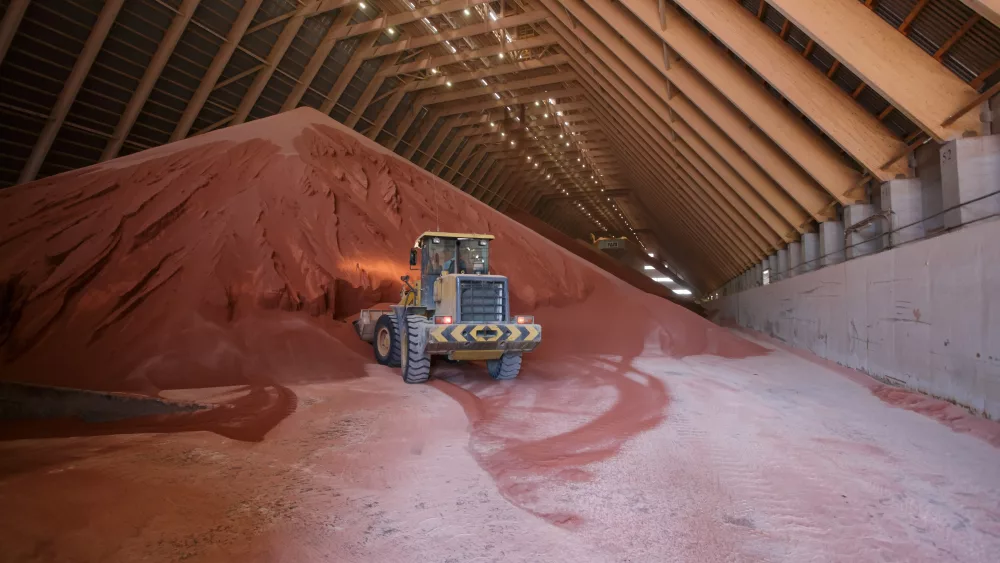
The Senate Agriculture Committee held a hearing this week focused on the cost-price squeeze hitting producers, with fertilizer prices at the heart of the discussion. Newton called the hearing an important step toward congressional action and stressed that today’s industry concentration didn’t happen overnight.
“There’s so many things we can address from a policy angle to really undo how we got here in the first place,” he said. “It’s important for us to sit at the table with the fertilizer industry and stakeholders to really think about what the policy solutions need to look like.”
While USDA Secretary Brooke Rollins and Commerce Secretary Howard Lutnick are pushing to onshore more fertilizer production, Newton said that effort is a medium- to long-term play requiring billions in investment. In the meantime, he pointed to administration moves like Jones Act flexibility and increased imports from Venezuela.
Economic Aid in the Short Term
For immediate relief, Newton said another economic aid package would be the most impactful tool Congress can deliver. President Trump made that case in March, hosting some 400 farmers on the White House South Lawn and calling on Congress to act.
Chairman Thompson has floated a figure in the $18 billion to $20 billion range, while Senate sources have suggested $10 billion to $15 billion. Newton said the exact figure matters less than the urgency.
“We’ve seen some commodity prices rebound, but we do need additional economic support,” he said. “This is not just a here-and-now problem as it relates to fertilizer. We’ve been talking to some of the companies and they’re having problems sourcing the feedstock they need for fall fertilizer applications.”
He warned the fertilizer pinch could stretch well into 2027, particularly given supply disruptions tied to the closed Strait of Hormuz. “Even when it opens, we don’t yet know the damage to the infrastructure,” Newton said. “We could be dealing with this for a long time.”
On U.S.-China trade and cattle markets, Newton closed with a warning against leaning on additional beef imports to cool consumer prices: “We cannot take the lone bright spot in the farm economy down with us. Our ranchers need the right economic incentives to rebuild our herd, and massive imports when we already have record imports is not the solution.”
Hear or watch the full conversation with Dr. John Newton below from Thursday’s episode of Agriculture of America: