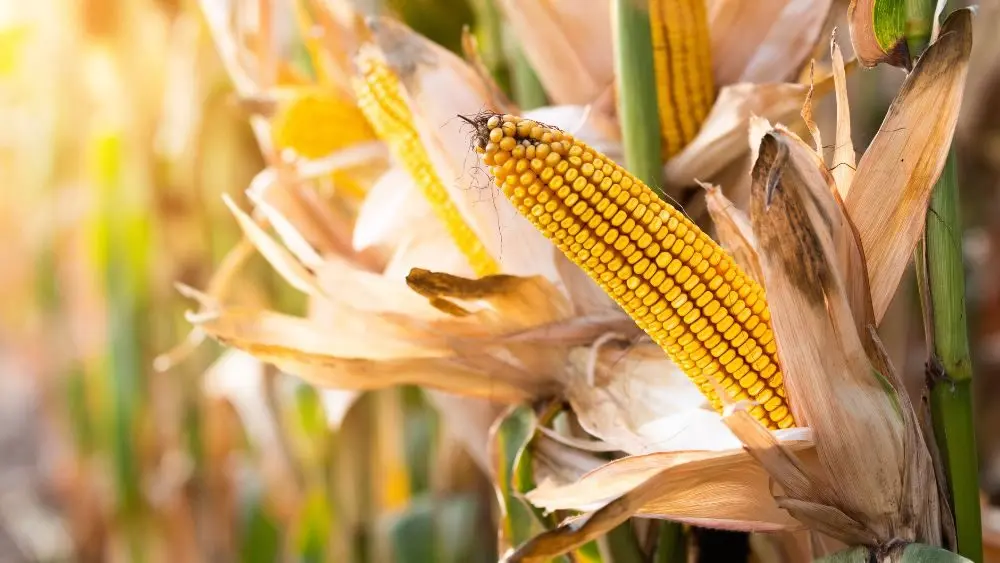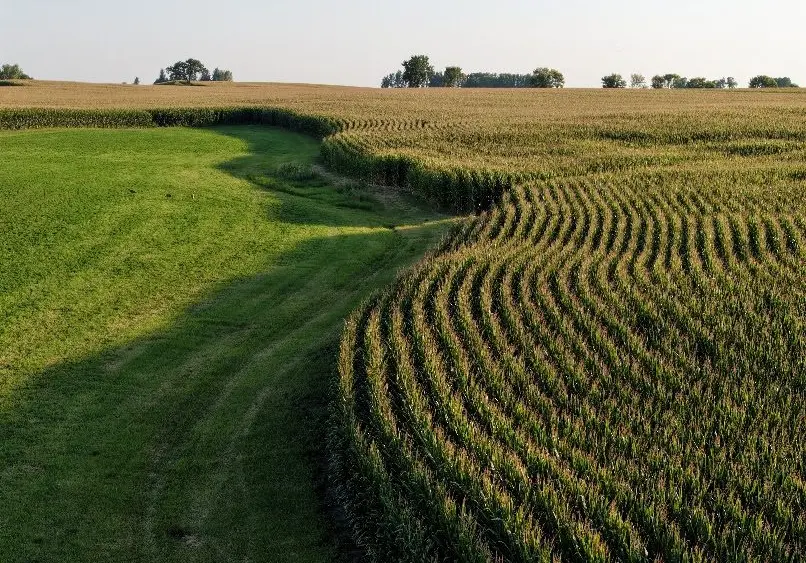
Mustang Seeds tests products in customers’ backyards to make sure they can stand up to the challenges growers face.
WESTFIELD, Ind. (Sept. 29, 2026) — “We don’t have the richest soils, the highest fertility or the best growing conditions,” Senior Agronomy Manager Al Bass says, describing Mustang Seeds’ four-state territory of the Dakotas, Minnesota and Wisconsin. Growers in the Upper Midwest farm some of the most challenging environments in the country.
That’s exactly why a local focus matters. The unique challenges of farming in the Upper Midwest demand seed that fits the region. It’s the foundation for Mustang Seeds’ localized approach to the selection of corn and soybean genetics.
Global resources at work for growers in the Upper Midwest
Mustang Seeds brings over 60 years of commitment to farmers. Now it’s backed by GDM, an established powerhouse in soybean genetics that’s expanding its leadership into corn genetics.
“GDM has the germplasm, the know-how and the drive to be a leader in both corn and soybean genetics,” Bass says. “Mustang Seeds has access to GDM’s proprietary genetics, plus the flexibility to access other products as needed to find the best fit for our growers.”
Mustang Seeds’ lineup of corn and soybean products is substantial and wide-ranging, as necessitated by the unique and wide-ranging needs of its four-state region. Its offerings also speak to the nimbleness that comes with a focused footprint.
“We don’t need to sell 100,000 bags of a seed product to justify bringing it forward,” Bass explains. “That gives us the flexibility to truly tailor our seed choices to farmers’ needs.”
Unique challenges of this region
The hallmark of Mustang Seeds’ four-state territory is variability — from maturities to growing conditions to management styles.
Across Wisconsin, Bass says you’ll find everything from the earliest maturities of soybeans in the north all the way to later maturities that you might also find in southern areas of the Midwest.
Meanwhile, Minnesota includes high-management farmers pushing top-end yields, while South Dakota’s West River area brings lower-yielding, drought-prone conditions.
North Dakota features growers farming large tracts of land and a mix of drought-prone and productive acres, Bass continues.
Generally speaking, the eastern side of Mustang Seeds’ geography faces more disease pressure, including white mold in soybeans and foliar diseases like crown rot in corn.
As you move west, disease pressure typically lightens, but the air is drier, soils are lighter and wind is more of an issue. Therefore, stress-tolerance, standability and strong root systems take on more importance. The Dakotas and Minnesota also face more challenges from iron deficiency chlorosis, making IDC tolerance a priority for soybeans in those states.
Management across the four-state region also differs versus the I-states of the Corn Belt, and foliar fungicides aren’t used as frequently in the Upper Midwest, according to Bass.
Shorter seasons and higher-stress environments mean late-season health is also a priority when it comes to seed selection.
Relative maturity also receives more attention in Mustang Seeds’ footprint, especially with seed corn. “If we don’t get some of our early field corn all the way to black layer, test weight and grain quality suffer,” Bass explains.
Local fit goes beyond seed placement
The local emphasis also extends to research and testing.
“In research, we’re focused on advancing products for specific reasons,” Bass explains. “In those test plots, we want to see products succeed to the best of their ability. We also make a point of pushing them to their limits in growers’ backyards, so we really see whether they have what it takes to make the Mustang Seeds bag.”
He continues: “A product can look great at a seed company’s test site with great growing conditions, but we need to know that it can handle the realities of a challenging season. That’s why we also test our corn and soybeans in localized environments specific to where and how our farmers actually grow their crops.”
One constant: The importance of yield
“We want our growers to hit their yield targets,” Bass says. That’s always the top priority for corn and soybeans. But a case can be made that yield is more nuanced for crops in the Upper Midwest region.
“When you look at our area, you don’t necessarily look for the top yield in a perfectly managed plot. We’re looking for the top yielder for the environment and the management style it’s subject to,” Bass explains.
Mustang Seeds agronomists are in fields daily, making sure they understand the products, where they fit, as well as how best to support them from planting to harvest.
When you’re ready to experience the difference of working with a local seed company to plant genetics that fit your acres and management style, reach out to your local Mustang Seeds field agronomist.