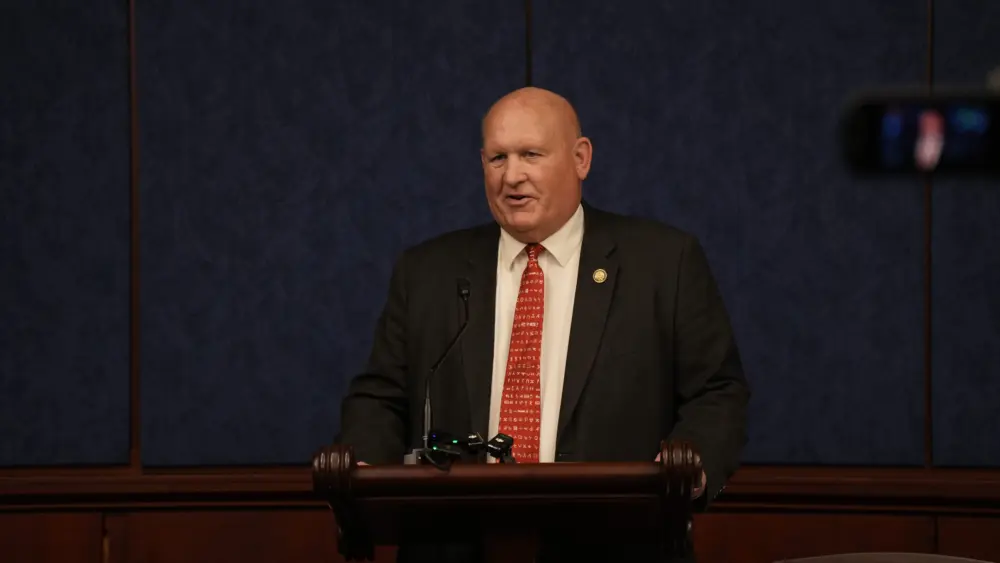
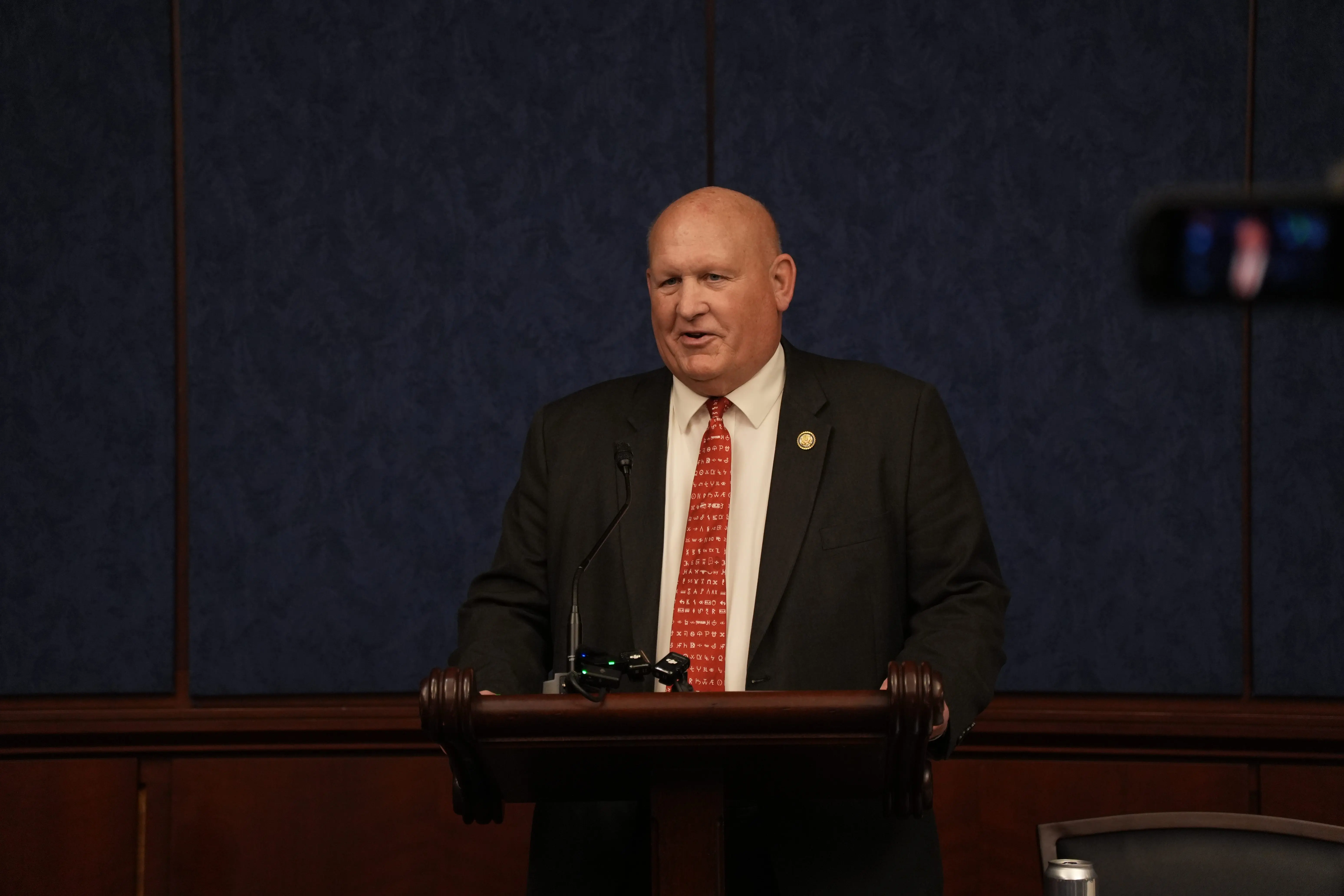
(MADISON, WI) — House Agriculture Committee Chairman Glenn “GT” Thompson, R-Pa., says he is confident a new farm bill will reach the President’s desk before the calendar year ends, even as another deadline passes without a final package. Thompson made the comments to Farm and Ranch Media’s Susan Littlefield during a stop at World Dairy Expo, where he also weighed in on workforce shortages, rising diesel costs and the impact of immigration enforcement on agricultural employers.
Farm Bill: “Calmer Heads Will Prevail”
With October 1st now here and the farm bill still unfinished, Littlefield asked Thompson how he sees the path forward. She noted that Nebraska Congressman Mike Flood has said the House should accept what the Senate sends back so farmers can have certainty. Thompson agreed with the sentiment but does not expect the House to be forced into major concessions. “I appreciate what Congressman Flood said. He’s a good man. I don’t think we’re going to have to swallow a whole lot,” Thompson said.
He pointed to how closely the Senate’s work tracks the House product. “11 of the 12 titles, what the Senate is passing is really, with a few modifications, what we sent them. It should be very easy to push those,” he said. The sticking point, as usual, is nutrition. “Nutrition is always controversial. It shouldn’t be,” Thompson said. He tied the timeline to the calendar. “I think when the election’s over, calmer heads will prevail and we’re going to get this thing to the President’s desk before the end of the calendar year.”
Diesel Prices Top the List for Dairy Farmers, Labor Another Issue
When asked what questions and issues dairy farmers raised with him during a round table at the Expo, Thompson said fuel costs came up first and most often. “Fuel prices, primarily. Cost of diesel, which I understand, it’s awful,” he said. He said high diesel prices reach beyond the farm gate and into consumer budgets. “It impacts affordability for our consumers because everything that we produce or raise winds up having to be trucked in different phases of the food supply chain.”
Labor was the other major theme from the round table, and Thompson said dairy’s needs are different from many other sectors.
“It has to be year round and it’s long days. I mean, it’s not like an eight hour workday. These cows have no off and on switch. They have to be milked,” Thompson said. He said only one family he met had a workable solution, relying on relatives and neighbors. “That was great news. I was so happy for them. But that’s not the typical dairy operation,” he said. For everyone else, he said, the standard is clear. “It has to be reliable. It has to be legal. And quite frankly, it has to be affordable. And that’s what the SAWA bill does.”
Thompson said he is proud of the Securing Agricultural Workforce Act and stressed its bipartisan roots. “My name may be on it, but it is a collaborative work in a bipartisan way,” he said.
Meatpacking, H-2A Eligibility, ICE Enforcement and Legal Status
A fellow reporter raised the labor challenge in meatpacking, noting that new plants will not help if there are no workers to staff them. Thompson said the legislation would reach some of those jobs but not all of them.
“Once something qualifies as food manufacturing or processing, H-2A won’t work,” Thompson said. “But anything from the kill floor back, it absolutely would be eligible for H-2A.” He added that “all of those jobs would be eligible for H-2A.”
Thompson was also asked about immigration raids affecting farms and plants, including recent enforcement actions in Kansas. He drew a line between targeting criminals and sweeping up workers who were in the country legally.
“I don’t agree with all the actions that ICE is being directed to do. You know, part of it is they do have warrants for true criminals. And I have no problems with removing those folks wherever you can get them, take them out of here,” Thompson said. The problem, he said, is what happens when vehicles are stopped. “There’s a number of individuals who did have legal status, but the Trump administration eliminated their temporary protective status. It wasn’t a transition. It was an overnight thing. So those folks are being picked up as well.”
Thompson said he has raised the issue directly with the Secretary of Homeland Security and offered practical advice for employers in the meantime. “If you’ve had an employee that had legal status when you hired them and now it has expired, find another status to be able to pursue and get them in the process,” he said.
Over the long term, Thompson said, the answer is legislative. He pointed to the Securing Agricultural Workforce Act as the ultimate solution for producers who need a reliable, legal workforce.