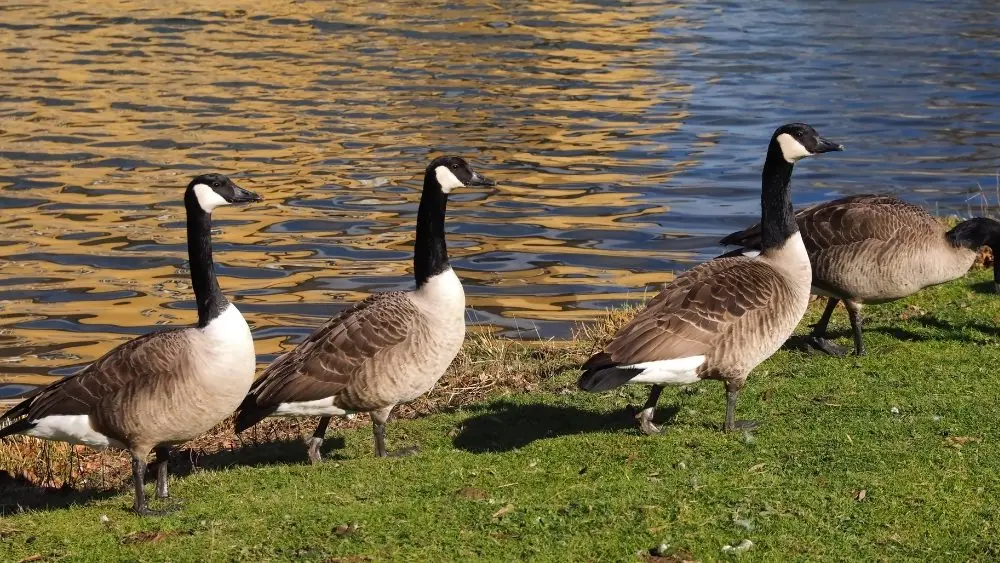
Athens, Ga. – The movement patterns of waterfowl, including ducks, swans and geese, may affect the spread of highly pathogenic avian influenza in bird populations, according to a new study from the University of Georgia.
Researchers analyzed 20 years of data containing movement information from more than 4,600 total waterfowl spanning 26 species in the Northern Hemisphere. They found that during winter and breeding seasons, birds travel much shorter distances in areas with human activity, likely because those landscapes have plenty of food, water and shelter.
When birds stay in one place, disease doesn’t spread as much. But it could also mean more intense hotspots of disease outbreaks in concentrated areas.
By understanding the movement patterns of waterfowl outside of typical migration periods, scientists could better predict where bird flu, or H5N1, might spread next.
“If we provide enough diverse attractive habitats, these animals may want to stick around,” said Claire Teitelbaum, assistant unit leader with the U.S. Geological Survey’s Georgia Cooperative Fish and Wildlife Research Unit, lead author of the study and an adjunct assistant professor in the Warnell School of Forestry and Natural Resources. “If we want to keep the flu from spreading, we might want to see what we can do to keep the birds in one place, but there’s that flipside. That’s the underpinning: How can we link the distances that birds are moving to the distances that flu is moving?”