
By: Justin Hossfeld, Range and Pasture Specialist at Envu™
This year has already brought record rainfall, flooding, drought and other extreme weather conditions across the United States. Of course, the risk of wildfire continues to dominate the Western United States. For ranchers and growers, weather is an inescapable part of life and is largely uncontrollable. We’re often at the whim of Mother Nature. There are things you can control; however, chief among them is invasive species that threaten healthy forage. Instead of fighting nature, ranchers can be a force with nature.
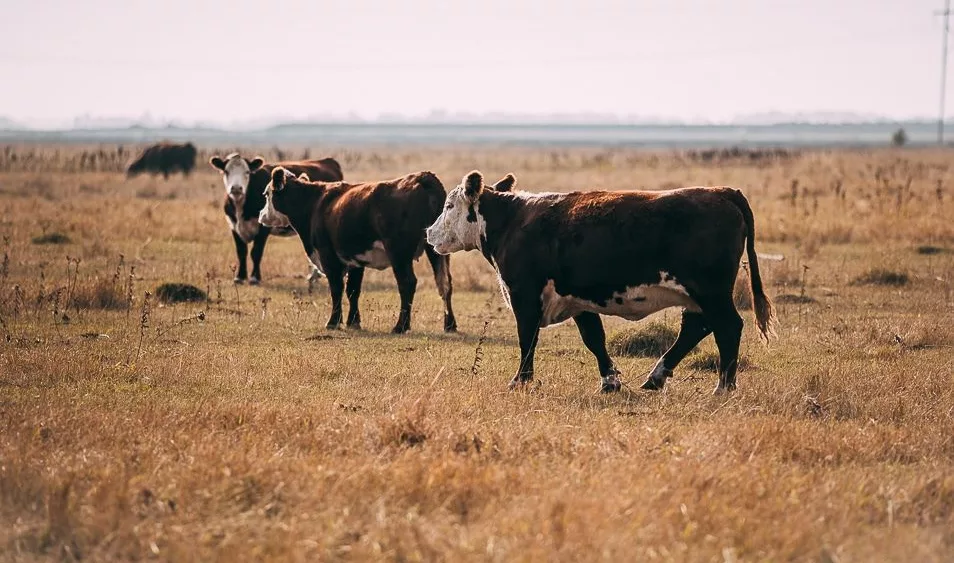
The American Forage and Grassland Council recognizes National Forage Week each year. Healthy forage is the cornerstone for any successful ranching operation and any healthy ecosystem. Desirable grasses and plants provide a cost-effective way for ranchers to feed and grow their herd, improve soil quality, increase water retention, and ensure resilience to wildfires.
For cattle ranchers, invasive weeds and grasses can threaten their land and livelihood. Cheatgrass results in accelerated nitrogen loss, medusahead creates a thick layer of thatch that prevents germination of other desirable plants, and ventenata’s shallow root system causes soil erosion. All three contribute to faster-spreading and more destructive wildfires.
Excess rainfall can accelerate the growth of these invasive grasses and flooding can deplete soil nutrients, again contributing to the spread of invasive grasses. Drought can dry out ranges and pastures, increasing the risk of wildfire spread — particularly if cheatgrass, medusahead and ventenata have invaded your range or pasture as all three contribute to the accelerated burn and spread of wildfires.
Additionally, major weather events can disrupt efforts to tackle invasive species, whether by mechanical or physical efforts or by herbicide application. As ranchers prepare to face even more extreme weather, it’s critical to prepare for the unexpected and control what you can, which is the invasive species that threaten beneficial forage.
There are a number of methods that can help ranchers manage invasive species. Rotational grazing methods can help to protect that forage by avoiding overgrazing, physical weed removal can be effective but time-consuming, and herbicide application can give ranchers long-term control.
Using a preemergent herbicide can not only control the weeds that are currently present in their range and pastures but can also stop the germination of those weeds in the future, offering long-term control and peace of mind. Preemergent herbicides can offer ranchers a “set it and forget it” schedule when it comes to vegetation management. A combination of rotational grazing, physical removal and herbicide application is likely the most effective way for ranchers to protect their forage. By tackling invasive weeds, ranchers can preserve critical ecosystems for generations to come.
During National Forage Week, it’s critical that ranchers examine their forage and methods for controlling invasive species and select a mitigation strategy that protects desirable plants and preserves their land for future generations. While weather is often uncontrollable or unpredictable, the threat that invasive species pose isn’t. Take time to develop a mitigation strategy and check one more thing off your list of things to worry about.