DENVER, CO —Declining labor force participation, lower birth rates and a collapse in net migration are combining to squeeze the U.S. labor supply. The looming labor shortage could begin to weigh on businesses and strain economic growth as soon as later this year, according to a new quarterly report from CoBank’s Knowledge Exchange. With the labor supply about to get tighter, businesses and industries operating in rural America should be increasing their focus on technology to overcome labor availability challenges.
“Barring an unforeseen change in labor force participation rates or immigration policies, the pool of available workers is set to shrink precipitously in the next few years,” said Rob Fox, director of CoBank’s Knowledge Exchange. “The problem will be even more acute in states with lower population growth in the Upper Midwest, Corn Belt and the Central Plains. Increased adoption of technology, namely AI and robotics, will likely be at the core of any strategy to address the oncoming labor squeeze.”
The labor force participation rate has trended downward since 2000, and the trend may be accelerating. Nearly 2.5 million working-aged people dropped out of the labor force in the past eight months alone. The U.S. fertility rate has plummeted since the Great Financial Crisis in 2008, reducing the number of native-born citizens entering the workforce. The loss of those new workers coincides with baby boom generation retirements, amplifying the impact on the overall labor supply. Those two factors, combined with more restrictive immigration policies and aggressive deportation efforts, will put significant stress on the U.S. labor supply with the potential to impede economic growth.
Agriculture retailers and farm supply cooperatives enjoyed strong spring agronomy sales due to good weather conditions and increased corn acres. However, pre-sales for the 2026 growing season are projected to soften due to tariff uncertainty, higher interest rates and farmer profitability constraints. As farmers look to minimize losses, many may choose to limit chemical applications. Agriculture retailers are delaying buying decisions and inventory builds due to higher input prices. USDA’s latest cost of production estimates show no relief in sight and a slight increase from 2025 into 2026.
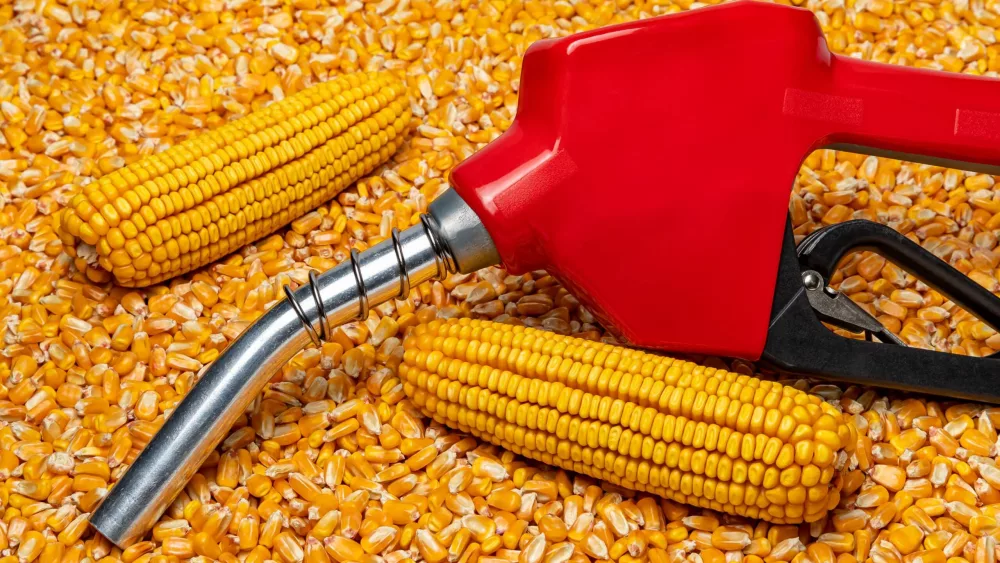
Lingering uncertainty surrounding U.S. biofuels policy continues to cast a shadow on the outlook for production and demand. Renewable volume obligations, small refinery exemptions and the 45Z Clean Fuel Production Tax Credit are the three legs the biofuels industry will be balancing on as the year progresses. Soybean oil may be the winner in EPA’s proposed RVO change, as it likely shifts more domestic soybean oil to be used for biofuels. EPA indicated it would make its determination of small refinery exemptions by release of the final RVO rule at the end of October which will also impact overall biofuels demand.
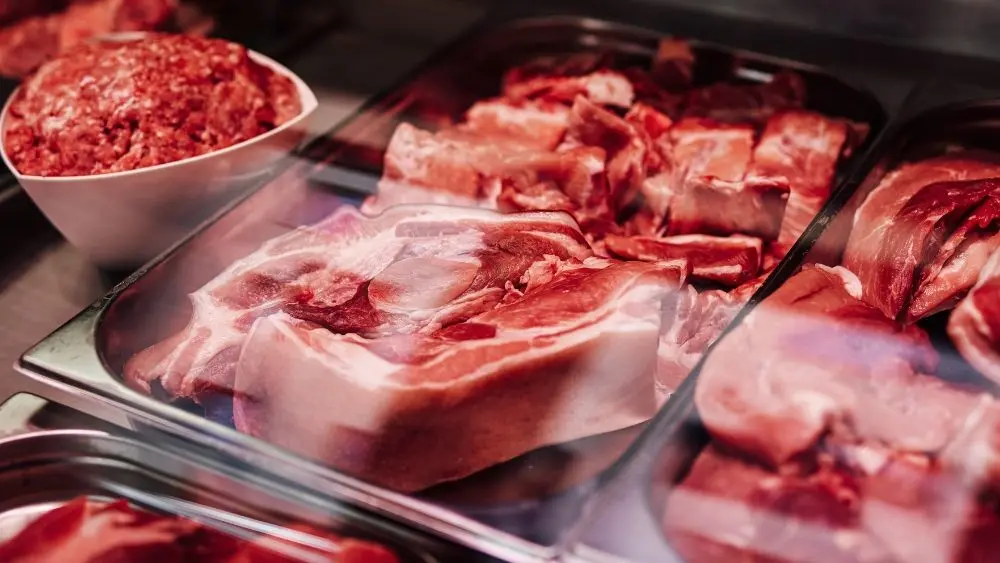
Domestic and international demand for pork is gaining momentum with the start of grilling season and lower cold storage inventories. Hog prices have jumped significantly through June. Lean hog futures on the CME surpassed $112 per cwt. in June, the highest since July 2022. The pork carcass cutout value rose to average $103 per cwt. in the second quarter. Inventories of pork in cold storage were down 7% year-over-year, signaling strong international demand for U.S. pork. Domestically, new marketing campaigns are promoting pork’s taste and flavor, encouraging an upward move in prices for producers.
The U.S. broiler sector entered 2025 well positioned to serve the restaurant industry’s desire to show consumers an inflation-busting animal protein offering. Promotional activity and new chicken menu items throughout the quick service restaurant sector are meeting consumer demand for a value-added meal. Production of eggs and broiler meat are improving and setting new records to help meet the growing demand. Broiler prices have seen an extraordinary boost from value-added product interest. Seasonal market pressure is likely as the year progresses, but demand should remain relatively stable.
Inclement weather during planting season in southern parts of the U.S. curbed long-grain rice acres while medium-grain acreage in California rebounded as rejuvenated reservoirs allowed farmers to irrigate more acreage. The shortfall in long-grain rice will impair the U.S. exports program and domestic millers will compete for scarcer bushels. Global rice prices continue to struggle under the weight of a flood of rice released from record Indian stockpiles. Strong U.S. exports of medium-grain rice, particularly to Japan, are a bright spot for U.S. rice farmers.
Sugar demand faces a multitude of headwinds, including widespread usage of GLP-1 dietary medications reducing consumer demand for snack foods. World and U.S. sugar prices fell last quarter as a result of softening demand. Sugar manufacturers note consumer packaged goods companies have reduced forward bookings, resulting in higher-than-normal inventories. Globally, lower fuel and ethanol prices have caused raw sugar mills to send sugar to the export market rather than to ethanol producers, increasing global sugar supplies.
Recent changes to the Broadband Equity, Access and Deployment program mark a shift away from the Biden administration’s “fiber-first” strategy. Under the new rules, fixed wireless and satellite technologies will now have greater access to BEAD funding provided they meet minimum performance benchmarks. This new direction introduces both strategic opportunities and competitive threats for rural broadband providers. Operators that choose not to participate in BEAD may find themselves vulnerable to government-funded fixed wireless competitors. Alternatively, rural internet service providers can go on the offense and pursue BEAD funding to expand their own footprints, especially in areas where fixed wireless is eligible.
Read The Quarterly. Each CoBank Quarterly provides updates and an outlook for the Macro Economy and U.S. Agricultural Markets; Grains, Biofuels and Farm Supply; Animal Protein; Dairy; Cotton and Rice; Specialty Crops; Food & Beverage industries and Rural Infrastructure.
About CoBank
CoBank is a cooperative bank serving vital industries across rural America. The bank provides loans, leases, export financing and other financial services to agribusinesses and rural power, water and communications providers in all 50 states. The bank also provides wholesale loans and other financial services to affiliated Farm Credit associations serving more than 78,000 farmers, ranchers and other rural borrowers in 23 states around the country. CoBank is a member of the Farm Credit System, a nationwide network of banks and retail lending associations chartered to support the borrowing needs of U.S. agriculture, rural infrastructure and rural communities. Headquartered outside Denver, Colorado, CoBank serves customers from regional banking centers across the U.S. and also maintains an international representative office in Singapore.