The use of data is becoming more and more important to farming and can be used in both long-term and short-term decision-making. To choose the best hybrid or variety, experts advise farmers to rely on data that shows how a seed performs across multiple years and diverse environments. That same data can also help farmers make better in-season decisions to maximize yield.
“We went through the age of collecting the data, we’re now making use of that data to make better decisions in-season,” said Ryan Bates, Pioneer Agronomy Innovations Manager in Wisconsin. “We are going field-by-field, hybrid-by-hybrid and looking at things like fungicide timing, silage staging to maximize tonnage [and quality] per acre, making yield predictions for marketing and more.
“It becomes unlimited, the potential of what we can do with all the data coming in. It’s about taking the time to see how that can improve an operation,” Bates added.
Pioneer offers multiple solutions to help farmers maximize the value of their as-planted data. In 2025, Pioneer introduced in-season monitoring through Granular Insights, providing growers with comprehensive, field specific information such as growing degree units (GDUs), precipitation levels, county-level disease risks, and additional agronomic insights.
“It’s important to review as-planted data for accuracy,” Bates said. “We can’t rely solely on our technology, whether that’s the planter monitor or some of the tools we have in-season. We still have to ground truth it, boots on the ground, and really evaluate it. We can have all the technology in the world, but you still have to get out and walk those fields.”
However, fields vary and so do seasons. Weather patterns, soil conditions and environmental stressors like drought or heat shifts can all impact yield. That’s why it’s critical to review at least two to three years of results, preferably including trials conducted in a wide range of geographies. This approach can help confirm which products deliver reliable performance rather than a one-time result.
For the clearest picture, look at trial averages from 20 to 30 locations, including fields with similar soil and climate. Expanding your view beyond local plots minimizes bias and reveals which hybrids are consistent high performers. Without this broader perspective, seed selection can feel like guesswork. But multi-year, multi-location data provides confidence that the chosen hybrid can handle unpredictable conditions and still deliver strong returns.
Pioneer runs extensive regional trials and shares local yield results for farmers to review, and it is all available online at https://www.pioneer.com/us/
Additionally, farmers should also review trait scores in addition to trial results. Pioneer evaluates all new germplasm against key diseases, pests and even wind-lodging events. These evaluations are then given trait scores from 1-9 with nine being the best.
Pioneer offers several tools to help you make sense of yield trends and guide seed decisions:
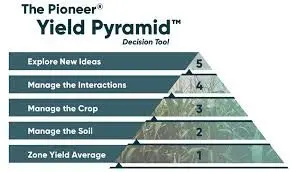
- Pioneer® Yield Pyramid™ Decision Tool — This is a data-driven, sophisticated crop modeling tool that helps farmers prioritize top factors associated with increased yield.
- Corn Yield Estimator — This tool helps estimate corn yields prior to harvest season.
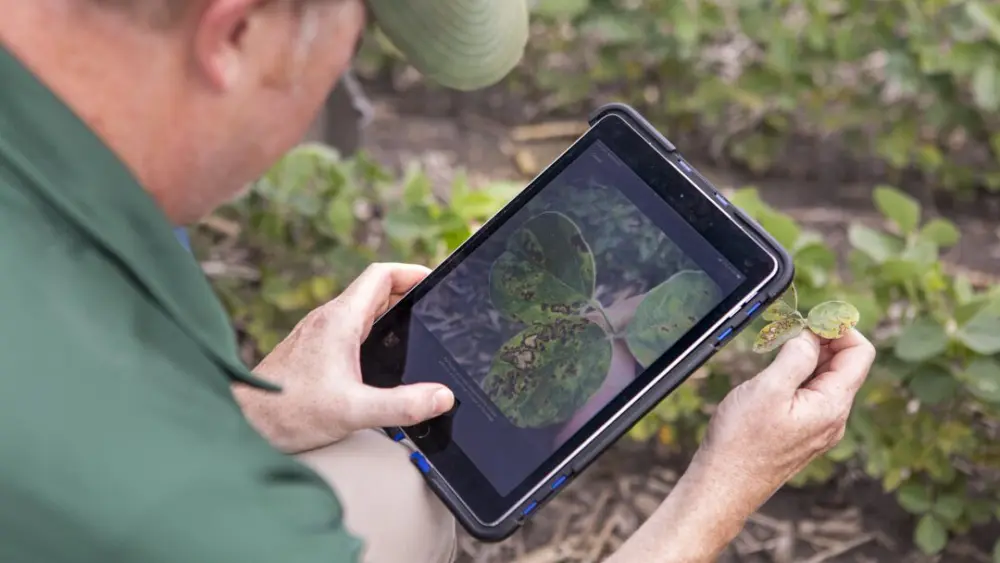
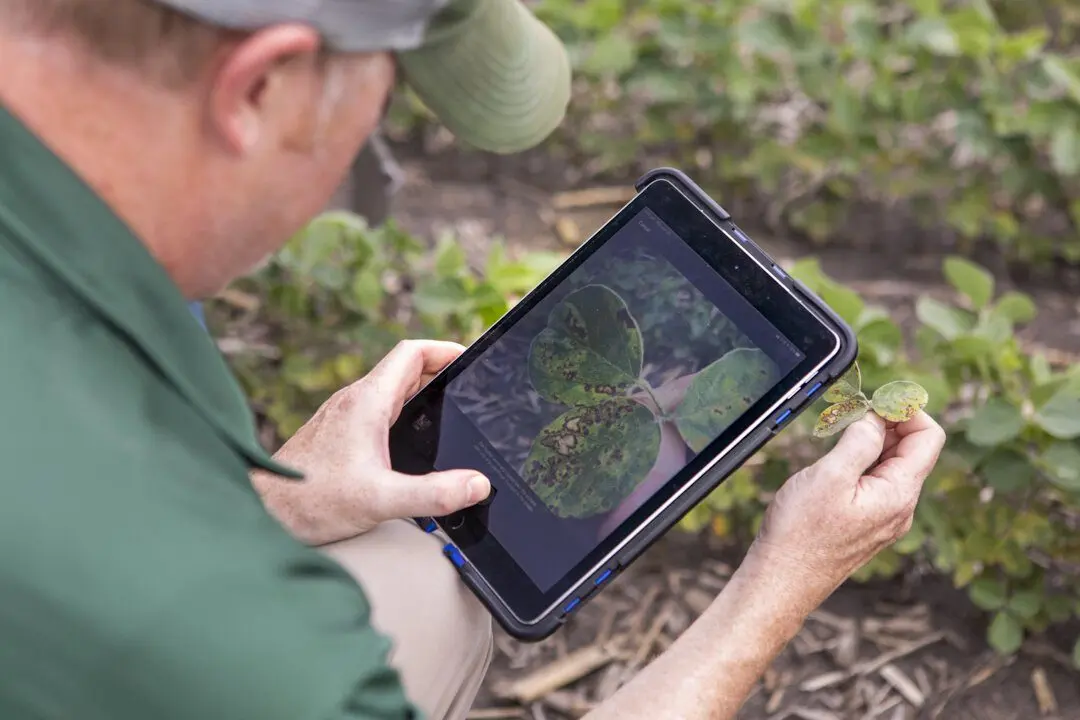
- Granular Insights Yield Estimator – From the Granular Insights mobile app, snap photos of corn ears and save geo-located yield estimates.
- Planting Rate Estimator — Farmers can determine the seed needed for planting based on factors such as the number of plants per square foot, germination rate, mortality rate and seed weight.
- Growing Degree Unit Calculator — This tool allows growers to review total accumulated growing degree units and compare them to previous seasons.