The Office of the U.S. Trade Representative (USTR) released today a joint statement from the U.S. and Indonesian governments on a framework for negotiating an agreement on reciprocal trade. More details are also in this White House fact sheet.
U.S. Meat Export Federation (USMEF) President and CEO Dan Halstrom issued the following statement:
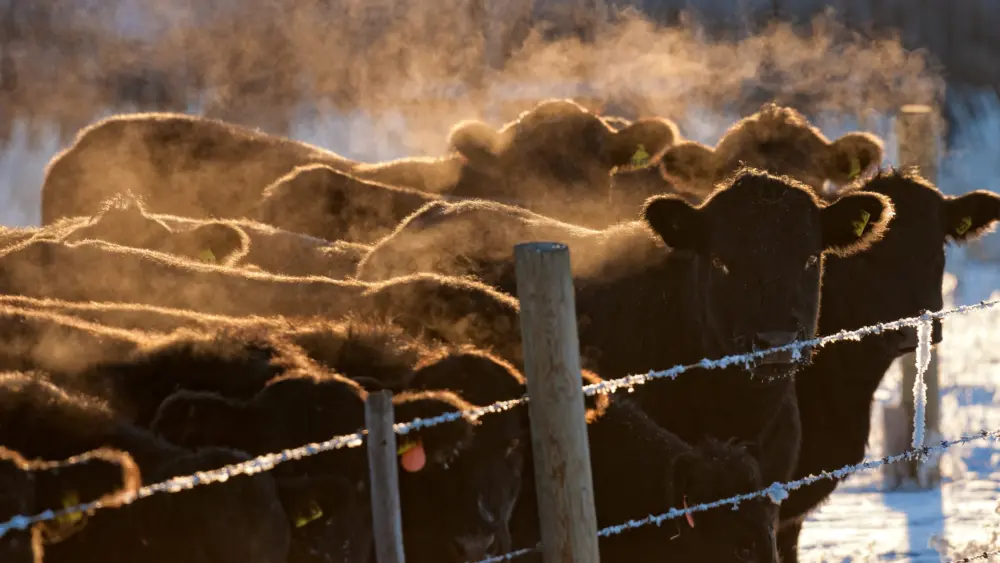
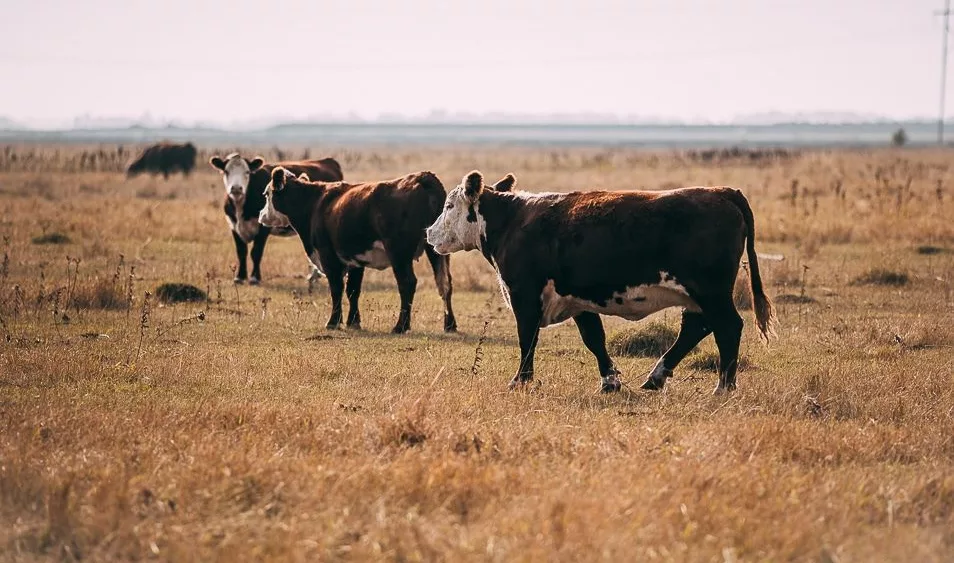
USMEF thanks USTR for its tireless efforts to negotiate a meaningful agreement with Indonesia, tackling many challenging issues. Indonesia is a market with incredible potential, in which the opportunity for U.S. beef is estimated at $250 million annually. But today, exports are minimal due to numerous trade barriers.
We are encouraged to see that the highlights detailed in the U.S.-Indonesia joint statement include resolving key issues such as import licensing, the commodity balance policy, and Indonesia’s onerous plant-by-plant approval process. For both U.S. beef and U.S. pork, these longstanding restrictions have limited exports to Indonesia. Indonesian importers and consumers are demanding U.S. red meat and we look forward to the swift conclusion of these negotiations and expanded export opportunities.
——————
Representative Adrian Smith (R-NE), Chairman of the Ways and Means Committee’s Trade Subcommittee, released the following statement after the Office of the United States Trade Representative announced it had reached a deal with Indonesia to lower tariff and non-tariff trade barriers.
“This deal is a substantial step toward a level playing field for American industries. Ambassador Greer continues to work diligently to strike meaningful deals, and I look forward to further collaboration with the administration as negotiations progress. Strengthening ties with Indonesia will support economic and regional security in the Indo-Pacific while promoting cooperation in key sectors, such as agriculture, manufacturing, and digital services.”
——————
U.S. Wheat Associates (USW) today welcomed the announcement of an agreed-upon framework between the U.S. government and the Republic of Indonesia for negotiating an Agreement on Reciprocal Trade (ART).
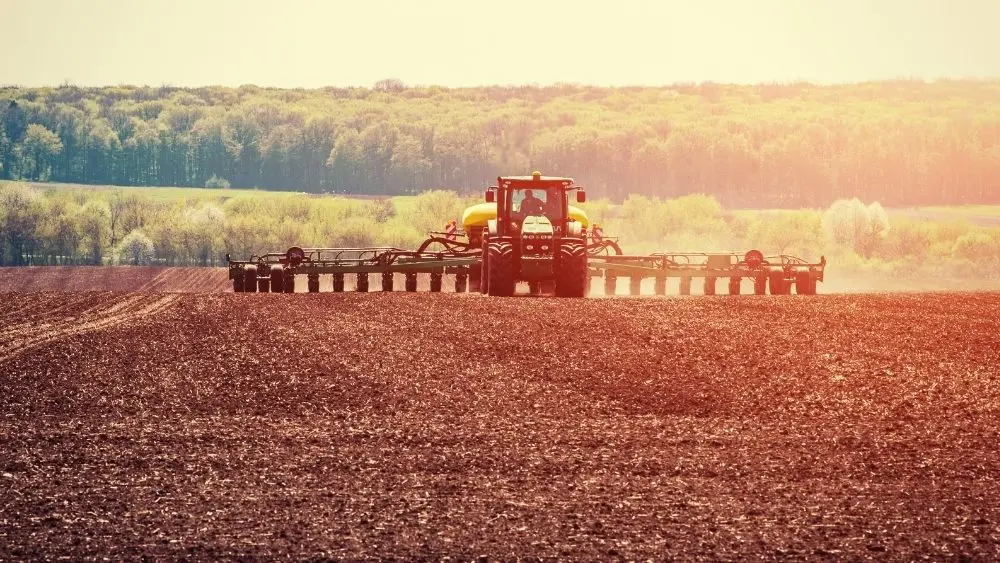
The proposed trade deal is expected to directly benefit U.S. wheat farmers through the removal of Indonesian tariffs on 99% of U.S. products, a reduction in non-tariff barriers, and new purchase commitments for U.S. agricultural products, including wheat.
This development follows a major milestone achieved earlier this month when USW and APTINDO, Indonesia’s flour milling association, signed a Memorandum of Understanding (MOU). Under this landmark agreement, APTINDO committed to doubling its annual purchases of U.S. wheat to 1 million metric tons (36.7 million bushels) each year for the next five years, reflecting the rapid growth in demand for wheat foods in Indonesia.
“We are excited and grateful to track this wide-reaching government commitment that includes the agreement signed earlier this month between Indonesian flour millers and the U.S. wheat industry,” said Mike Spier, USW President and CEO. “We thank the Trump Administration, the U.S. Trade Representative and the U.S. Department of Agriculture’s Foreign Agricultural Service (USDA-FAS) for their continued work on behalf of American wheat farmers.”
USW looks forward to the successful negotiation of the ART, anticipating further opportunities to strengthen the economic and trade relations between the United States and Indonesia, ensuring continued growth and market access for high-quality U.S. wheat.
——————
In a statement, U.S. Grains Council President and CEO Ryan LeGrand said:
“The U.S. Grains Council commends the Trump Administration on its historic trade deal with Indonesia, that will enhance trade for both countries and places a zero tariff on the products the Council represents. In the 2023-24 marketing year, Indonesia was the fourth largest importer for U.S. distillers dried grains with solubles at 1,024,000 metric tons. That translates into a nearly $299 million market, and we hope the deal announced today will not only help see those numbers increase but open doors wider to the full range of products we have to offer.”
While U.S. soybeans and soy products already enjoyed duty-free access into the market, the framework also announced a commitment from Indonesia to purchase $4.5 billion worth of U.S. agricultural products, including soybeans and soybean meal. In Marketing Year 2023/2024, Indonesia imported $1.23 billion of U.S. soybean products, making the country U.S. soy’s fifth largest trading partner by volume according to USDA’s Foreign Agricultural Service.
Caleb Ragland, American Soybean Association president and Kentucky soybean farmer, said, “We appreciate President Trump and his administration’s efforts in maintaining market access for U.S. soybeans into Indonesia, and the commitment from USTR to address non-tariff barriers in that market. We look forward to future deals like this that reduce tariffs and ensure continued and increased market access for U.S. agriculture.”