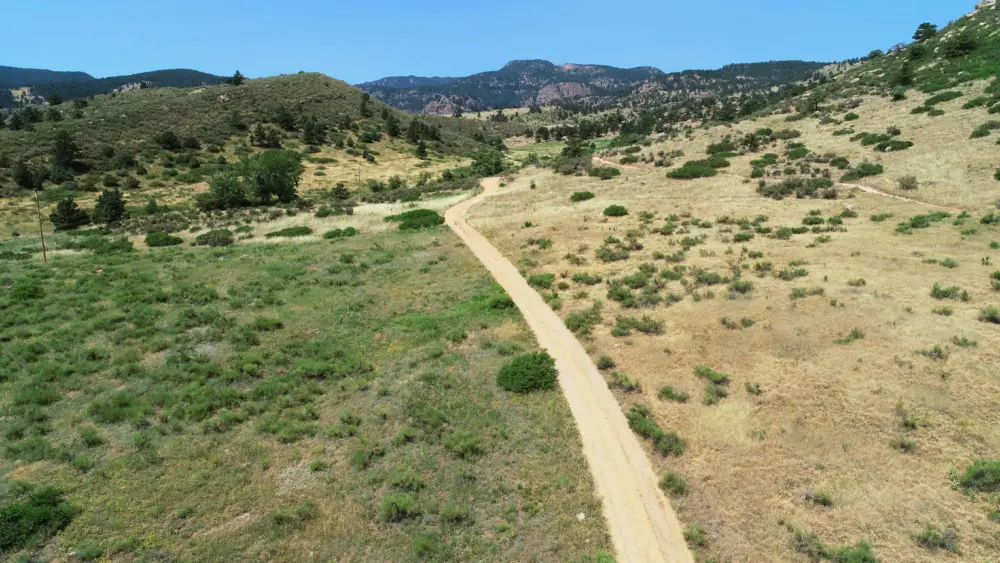
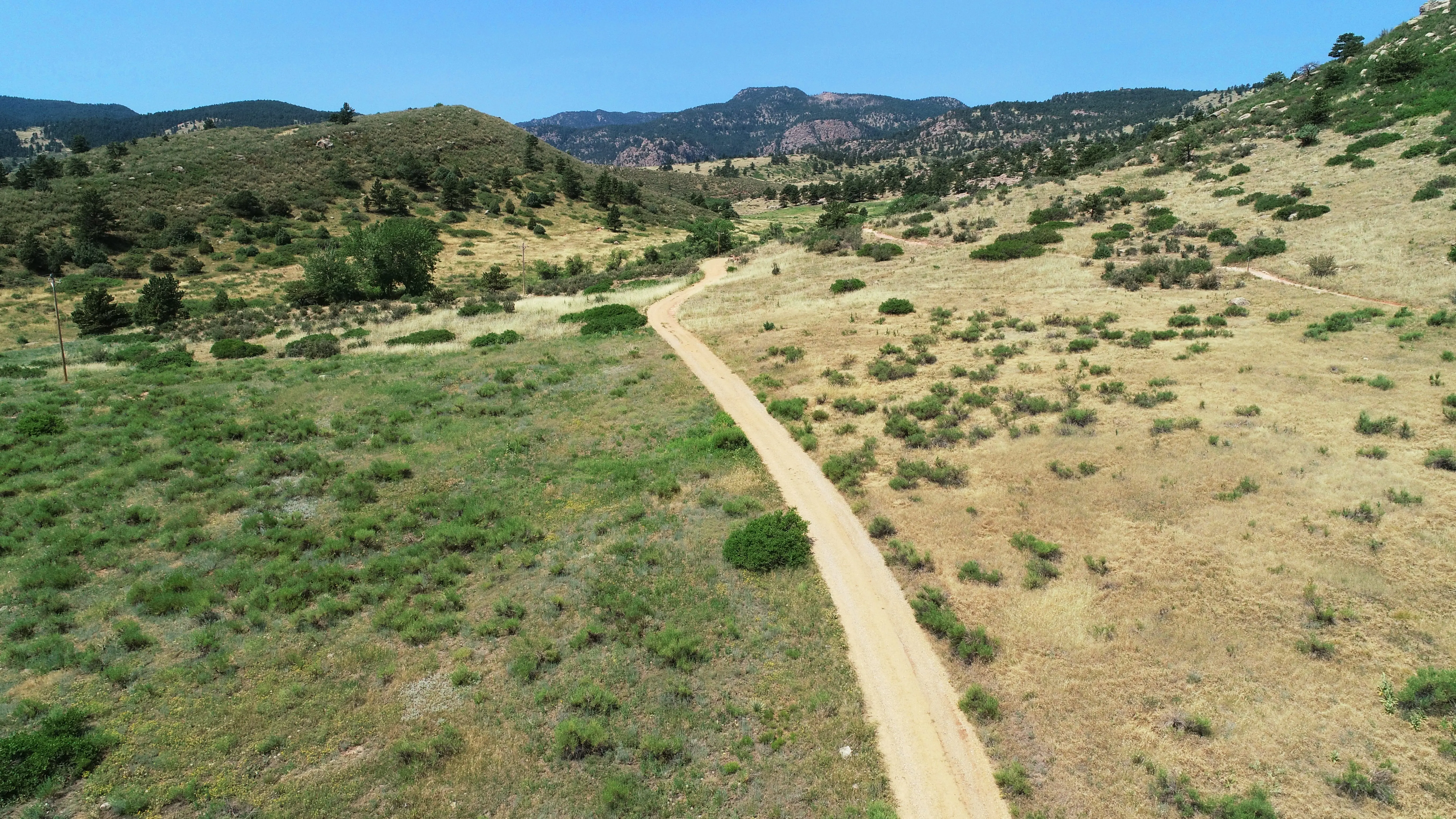
Hall Ranch CSU study site, Rejuvra treated (left) and cheatgrass infested (right), photo courtesy of Derek Sebastian at Envu
(LOVELAND, CO) — Invasive annual grasses like cheatgrass can cause havoc on rangelands in the western United States, affecting key habit for wildlife like mule deer and more.
“So, there’s weeds out there like cheatgrass. It’s a weed that infests over 50 million acres in the Western U.S.,” according to Derek Sebastian, Government Stewardship and Relations Manager with Evnu. “I’m sure almost everybody has heard of it. And as of recently, there’s been new findings out there that the Mule Deer Foundation actually posted saying that actually the number one threat to mule deer populations in the Western U.S. isn’t actually carnivores like wolves, development, or disease, it’s actually an annual parasitic weed that is the cheatgrass that I just mentioned. So, it’s really negatively impacting the habitat as well as fueling the wildfires that’s devastating the habitat for mule deer and other wildlife in the West.”
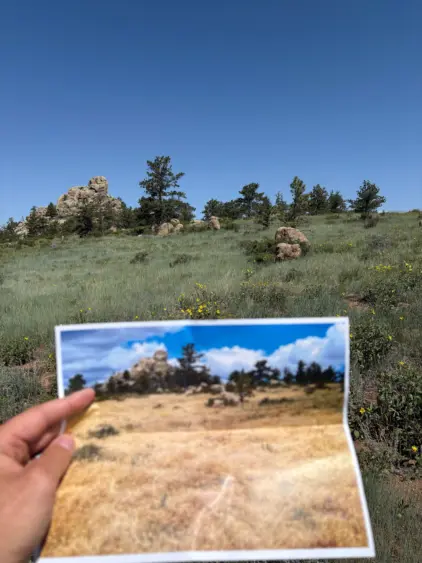
Multiple studies have been done looking at the effects of cheatgrass and the use of Envu’s product Rejuvra to fight cheatgrass and restore habit on rangelands.
Sebastian says the study with Smith and Mealor 2025 (University of Wyoming) was published in Rangeland Ecology and Management Journal July 2025. They used collaring data to show that mule deer strongly avoided areas once cover of invasive annual grasses exceeded just the 20% threshold. They also stated that a major part of their study area will continue to have significant declines if cheatgrass and other annual grasses continue to spread as they are. With targeted treatments using tools like Rejuvra, they said that mule deer and habitat for other wildlife can still be greatly improved.
The second study, just published in the Society for Range Management Journal by Dr. Jake Courkamp at CSU, showed that sites that are treated with Rejuvra and the cheatgrass is controlled, resulted in twice the new leader growth on critical mule deer overwintering shrubs like antelope bitterbrush and mountain mahogany. These species are vital for mule deer survival over the winter months, in particular the new leaders that are nutrient rich. They also used game cameras to show that mule deer preferentially utilized treated sites compared to cheatgrass dominated sites.
“I’ve been working with this tool (Rejuvra) since my PhD project at CSU starting in 2015. And really the turning point with this new tool was that we had the opportunity and we have the opportunity to go out and do a single application,” says Sebastian. “One application has the opportunity to deplete a majority of the weed species seed bank, which then allows the natives to recover, which is that critical habitat for mule deer, elk, sage grouse and hundreds of other wildlife species.”
Hear the full conversation with Derek Sebastian from Envu below: