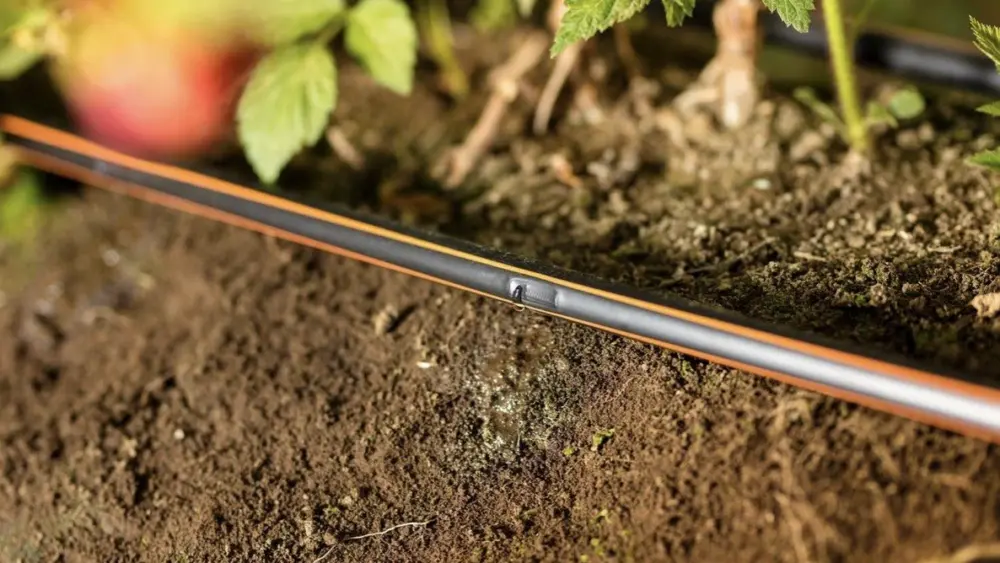
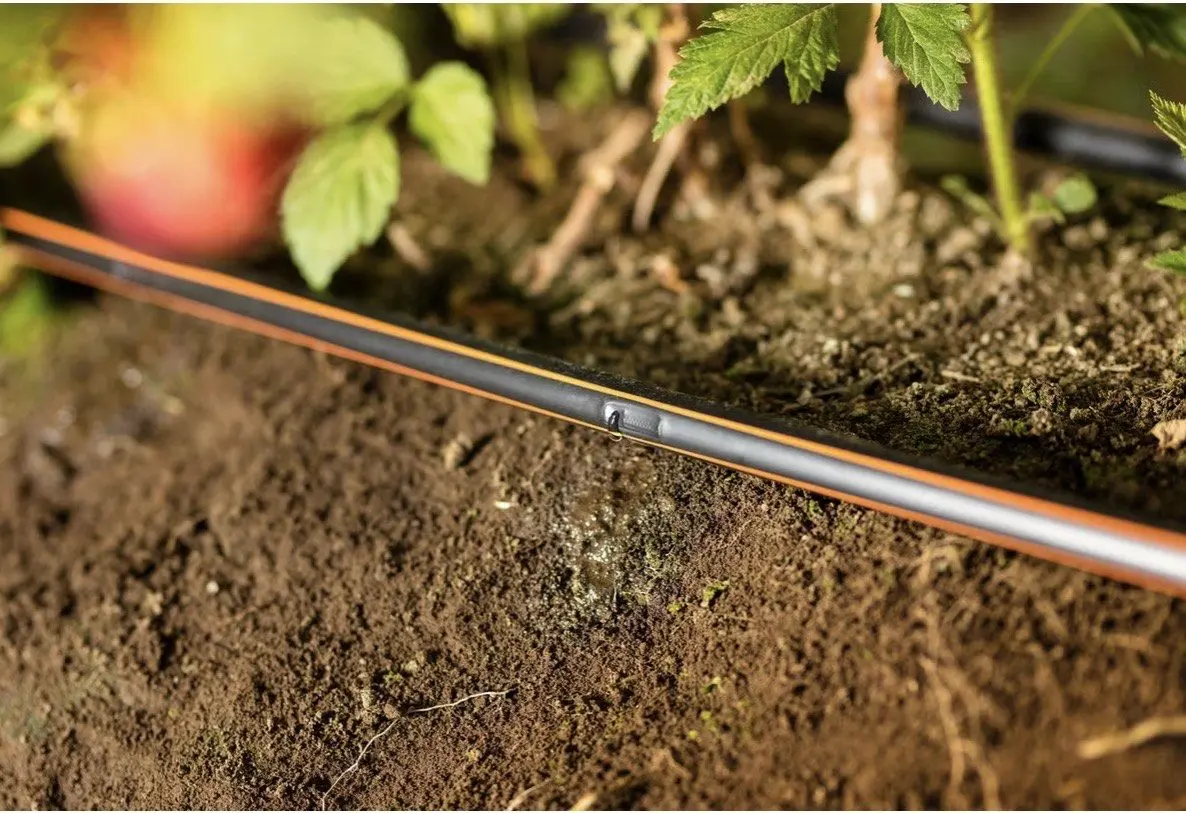
I first encountered drip irrigation in the mid-1960s at a kibbutz in Israel’s Negev Desert. We were a small group trying to grow cotton, vegetables, and orchards in poor soil with very little water. An inventor arrived with an idea that he was having trouble getting noticed: instead of flooding a field, feed crops with slow, steady drops at the root. We studied his trials and decided to try this newfangled system in our own orchards.
When the results came in, we knew we had a world-changing concept in our hands. Our trees produced almost double the yield while using far less water. For a community with limited resources, that experiment settled the question. It also set the course for my life’s work and helped shape what became Netafim, created by farmers for farmers long before that phrase appeared in any presentation. We agreed that this was a valuable idea that needed to be shared widely with other farming communities.
A decade later, I moved to the United States to help start Netafim USA and eventually anchored our operations in California’s Central Valley. Designs that began in the desert were adapted to fit almonds, pistachios, vineyards, vegetables, corn, cotton, soybeans, and other crops. Similar patterns followed in many regions. It’s still humbling and gratifying to know that Netafim systems benefit farmers working more than ten million acres in over a hundred countries, bringing the same basic idea to very different soils, climates, and markets.
Transitioning from flood to drip irrigation has been shown to lower water use by a third to half while maintaining or increasing yields. In West Texas, for example, cotton growers using subsurface drip reported several times the production they once saw under furrow irrigation in drought years. In parts of India and Asia, smallholders who use basic drip kits can grow more food on less land. They also spend fewer hours hauling water, enjoying the relief of more predictable harvests. In rice projects, drip matches or exceeds paddy yields while using far less water and cutting methane emissions.
Some of the projects that have impressed me most bring drip together with on-farm nutrients. In California dairy country, subsurface drip lines are used to deliver dairy effluent into the root zone. That turns a waste problem into part of the irrigation plan, reducing fresh water demand, lowering the risk to groundwater, and feeding forage crops.
For me, drip irrigation is expressed in the idea of “tikkun olam,” a Hebrew phrase meaning “repairing the world,” because it touches water scarcity, farm income, and food security at the same time. Yet most irrigated acres worldwide are still watered by flooding. Even after sixty years of progress, we have a great deal of work ahead if we want more producers to see what a well-designed drip system can do for their operation.
As agricultural pressures continue, such as inevitable water restrictions, constant market volatility, and labor shortages, I expect more farmers to grasp the value in pairing drip irrigation with automation to meet new challenges. We are also seeing irrigation-as-a-service models become more popular, where design and support teams collaborate closely with the grower for customization and fine-tuning.
At its heart, drip irrigation’s impact has not changed since our first trial on the kibbutz. If you can produce more with less, season after season, of whatever crop you are cultivating, you are protecting your farm’s vitality, its future, and the communities that depend on it.
SOURCE: Naty Barak, Senior Advisor, Chief Sustainability Officer Emeritus at Netafim USA