Brazil has surpassed the United States as the world’s top beef producer, according to market estimates, after significantly exceeding production forecasts in 2025. The unexpected surge in output helped ease a global supply squeeze and limited what could have been an even sharper rise in meat prices worldwide.
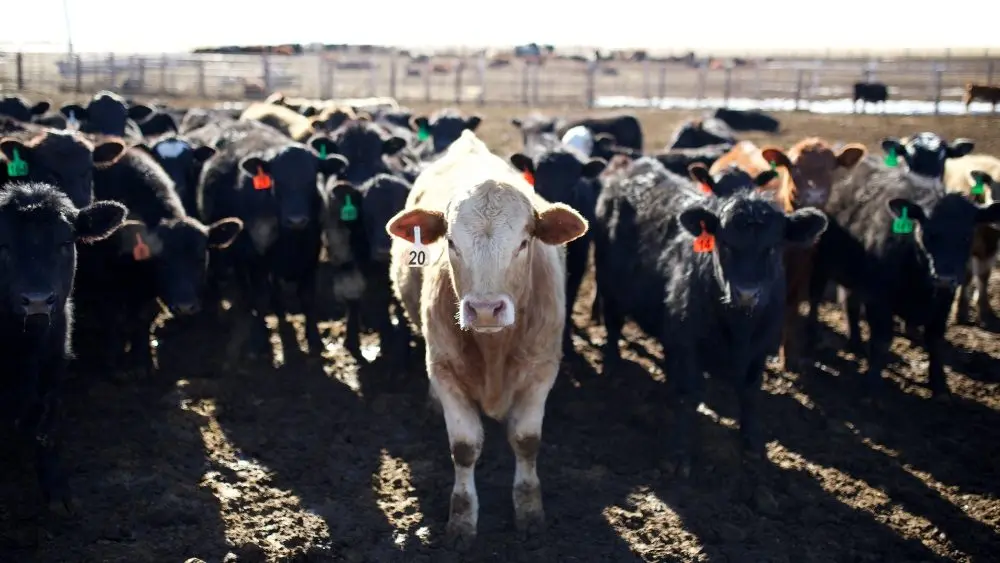
Brazil was already the world’s largest beef exporter, shipping meat worth almost $17 billion in 2025 based on government trade data released last week. While official beef production numbers will not be released until February, analysts have raised their estimates in recent months as farmers sent more animals to slaughter. High export demand from countries including China and the United States has incentivized producers to market cattle aggressively, particularly as tight U.S. supplies have pushed domestic beef prices to record levels.
Mauricio Nogueira, head of livestock consultancy Athenagro, said Brazilian beef production far surpassed his forecast in 2025. Output grew 4% for the year, where he had predicted a 2.7% drop. The increase of roughly 800,000 tons was about equal to total annual exports of Argentina, the world’s No. 5 beef shipper, underscoring just how large Brazil’s production surprise has been.
Reporting by Reuters indicates Rabobank, which had previously expected Brazil’s beef production to decline in 2025, now projects 0.5% growth to 12.5 million tons carcass weight equivalent. The U.S. Department of Agriculture raised its own estimate for Brazilian beef output by 450,000 tons in December to 12.35 million tons. If confirmed, 2025 would mark the first year Brazil’s beef production surpassed that of the United States, where output fell 3.9% to 11.8 million tons following multiple years of drought and herd liquidation.
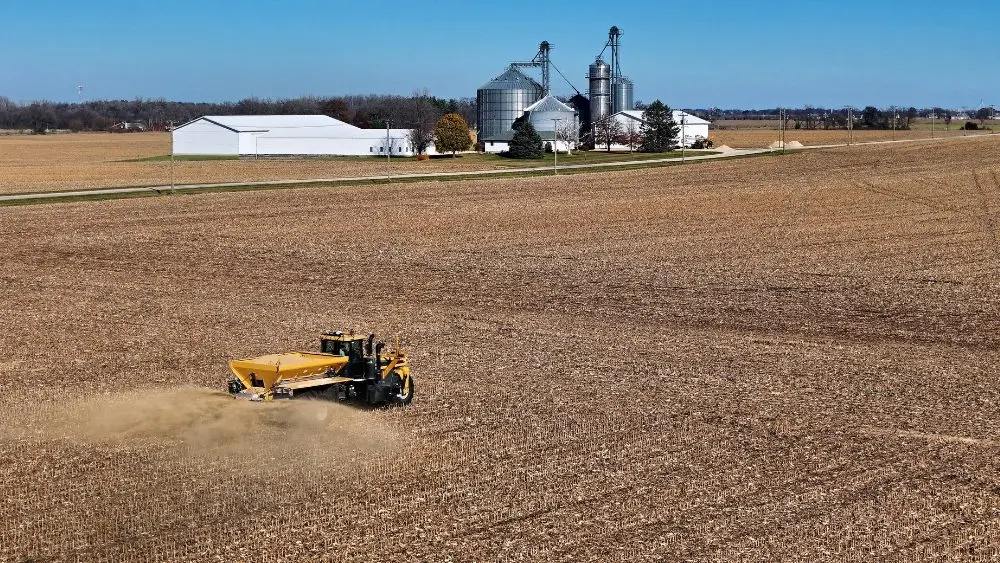
Brazil’s rise in beef production is widely viewed as the result of long-term agricultural expansion, particularly in grain output that supports livestock feeding. The country’s ability to produce large, consistent feed supplies has given its cattle sector a structural advantage.
Livestock industries depend on the availability of feed, which Brazil offers, continuing to grow bigger and bigger crops each year. A major driver has been Brazil’s “double-crop” system, where soybeans are planted first and followed immediately by a second corn crop known as safrinha. This system has created a reliable, high-volume feed supply that is difficult for U.S. producers to replicate at scale. While Brazil’s production volume is expanding rapidly, questions remain about consistency and compliance as beef moves from feedlots to processors and into global export channels.
As Brazil’s production grows, U.S. consumers continue to face historically high beef prices. Consumer beef prices reached a fresh record in December, just as the US’s new dietary guidelines are set to boost demand for the protein. On average, consumers paid $6.821 for a pound of ground beef in December, up 16% from a year ago and up slightly from November prices, according to the US Bureau of Labor Statistics.
Elevated beef prices have contributed to higher overall grocery costs, with the food index rising 3.1% over the past year, outpacing growth in the broader consumer price index. While core inflation excluding food and energy rose less than expected month over month, beef remains a notable pressure point for household food budgets.
President Donald Trump has fixated on expensive beef amid growing concerns about affordability, and has tried to mitigate those inflated prices by boosting imports from South America. However, one of the primary drivers of inflation in the beef market—a shrinking U.S. cattle herd—is expected to persist into 2027. Despite high prices, experts claim beef demand has stayed resilient, helped by updated dietary guidelines that emphasize protein consumption.