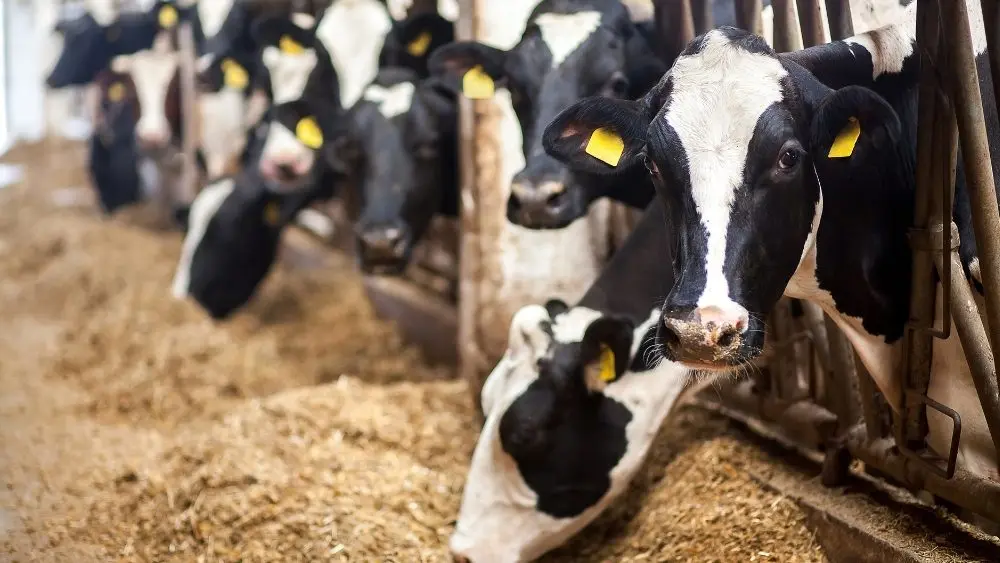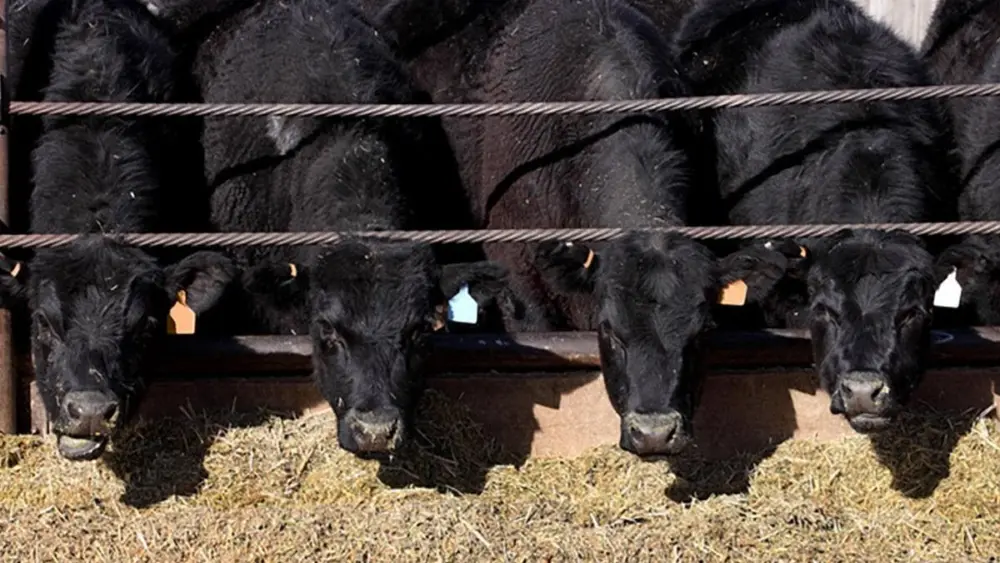
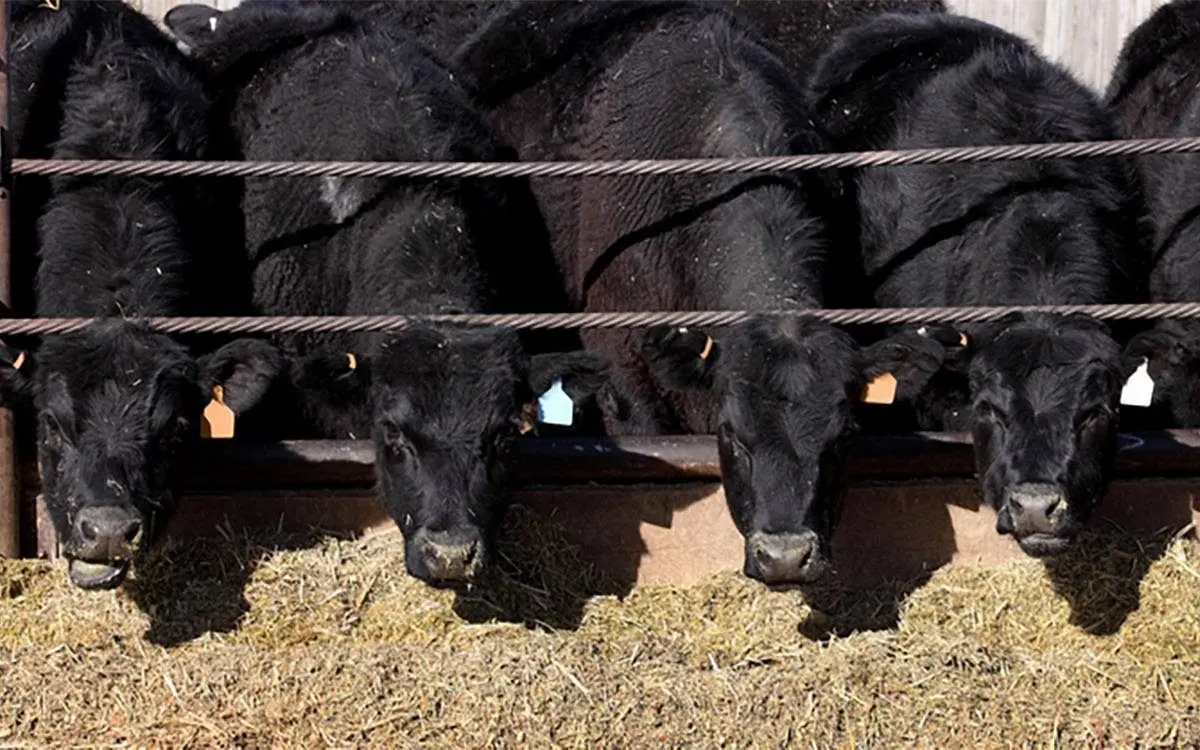
MANHATTAN, Kan. – Since 2010, the USDA has reported that the U.S. beef cattle herd has declined 12%, from 31.7 million in 2010 to 27.9 million in 2025, though producers are still able to meet beef demands through efficient cattle.
But a Kansas State University researcher suggests that producers need to take a closer look at the management of their cattle, as they progressively get larger in the next generation.
A.J. Tarpoff, an associate professor and beef veterinarian with K-State Extension, suggests that producers need to take a deeper look at how cattle are managed while in transportation and in finishing facilities, considering that they are bigger and more efficient than ever before.
“As an industry we are using less feed, less water, and less time to be able to get these animals on a per-pound-of-beef basis,” Tarpoff said. “We’re doing better than we ever have before.”
He suggests that even though the individual welfare of the animals themselves is not the major concern, there are concerns in the facilities and management when transporting and finishing these cattle.
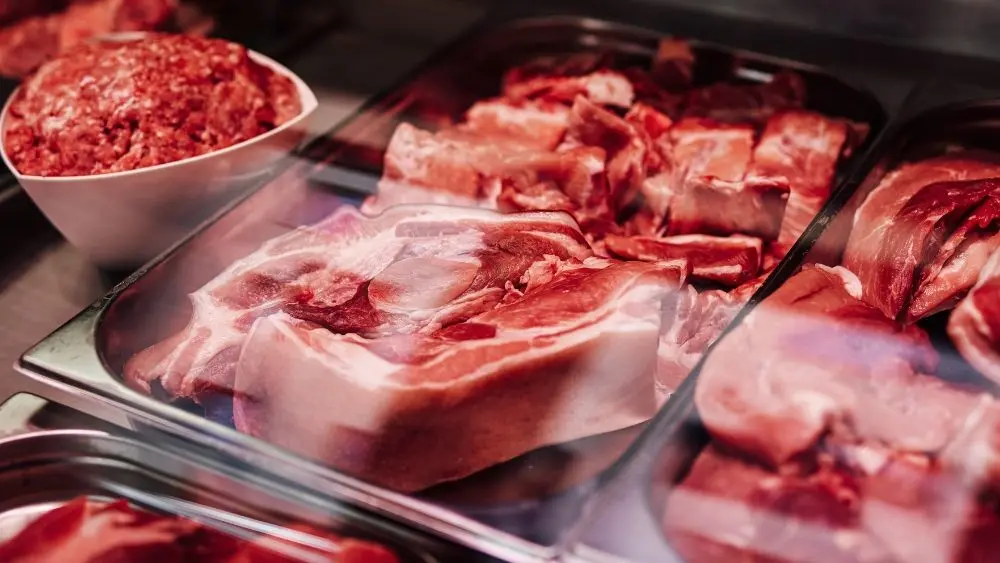
“From our beef quality audits, we have seen an increase in bruising issues on the carcass,” Tarpoff said. “We are seeing a lot of bruising on our middle meats, the ribeye, the strips and the sirloin. These three major cuts are seeing a majority of these bigger bruises and are having to get trimmed off at the processing plant.”
The cuts that are trimmed cannot be processed into a finished product, and the beef that remains after the trimming tends to be downgraded.
“It’s a huge financial discount to our industry dealing with some of these bruising issues,” Tarpoff said.
He said that bruises often are caused during transportation. As cattle grow to a larger size and live weight, trailer compartments have been known to not be conducive to a 1,600- to 1,800-pound steer. Tarpoff urges producers and others who manage the cattle to be aware of these issues when loading and unloading the animals.
Tarpoff also suggests taking into account animal welfare, even past the producer’s control.
“Even in basic facilities at the processing facility, there are some animals that may not necessarily fit through the working facilities,” Tarpoff said.
He emphasized that even processors can prepare their facility and transportation plans to prepare for larger, more efficient cattle.
“We need to prepare for the future. We don’t anticipate that we’re going to take a drastic 90-degree turn and go to a much smaller framed animal, not in today’s marketplace,” Tarpoff said. “We’re going to make them bigger. We’re making them more efficient. We’re going to continue down that path.”
Alongside the management of these animals, Tarpoff said producers need to manage the welfare of cattle while finishing them once they are off the farm.
“It’s important in our industry looking forward, that we need to be nimble enough to make individual decisions at a population level,” Tarpoff said. “If there’s an individual within a pen that probably shouldn’t go to 1800 pounds, we want to make sure that it gets marketed before there’s a locomotion(the movement, gait and ability of cattle to walk, stand and move from place to place) concern.”
He adds: “We need to be making sure our pen floor is as comfortable and structurally sound as possible, so our animals don’t have any issues. We should be asking ourselves whether we are moving those animals in an appropriate way to make sure that we are maintaining their locomotion, that we’re monitoring that regularly before an issue becomes larger.”
Tarpoff said the locomotion of the animal does not always derive from the farm of orgin; better decisions need to be made on the feedlot to understand when they need to go; and when they can continue to feed the animals.
“We just want to challenge the industry to make sure everyone is aware of the concerns that if we’re going to move forward and plan for the future, I think this is where we start,” he said.
More information regarding beef cow size and heavier carcass weights, and the implications they have on the cow herd and feedlot performance, will be presented at the 113th K-State Cattlemen’s Day on March 6.
More information on beef cattle and their efficiency also is available online from K-State Beef.