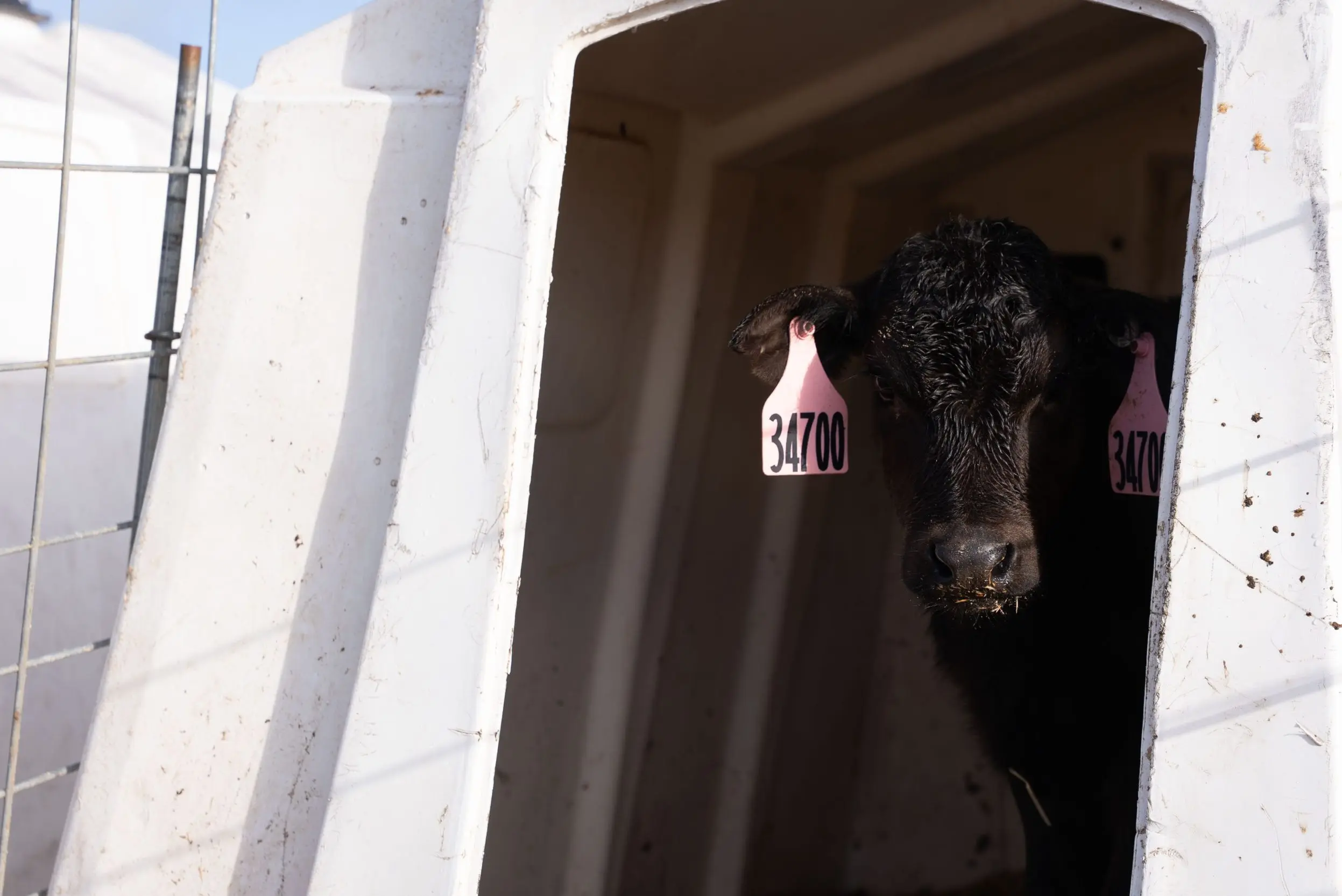
Early bovine respiratory disease treatment in beef-on-dairy calves protects lung health, improves performance and supports antibiotic stewardship.
DULUTH, Ga. — As beef-on-dairy cattle become a larger part of the U.S. supply chain, early health decisions carry long-term performance consequences — especially when it comes to bovine respiratory disease (BRD).
For producers across the beef-on-dairy value chain, earlier BRD intervention can mean healthier lungs, stronger performance and more responsible antibiotic use.
Why beef-on-dairy calves face unique BRD challenges
Compared to native beef calves raised on pasture with their dams, beef-on-dairy calves experience a very different start to life.
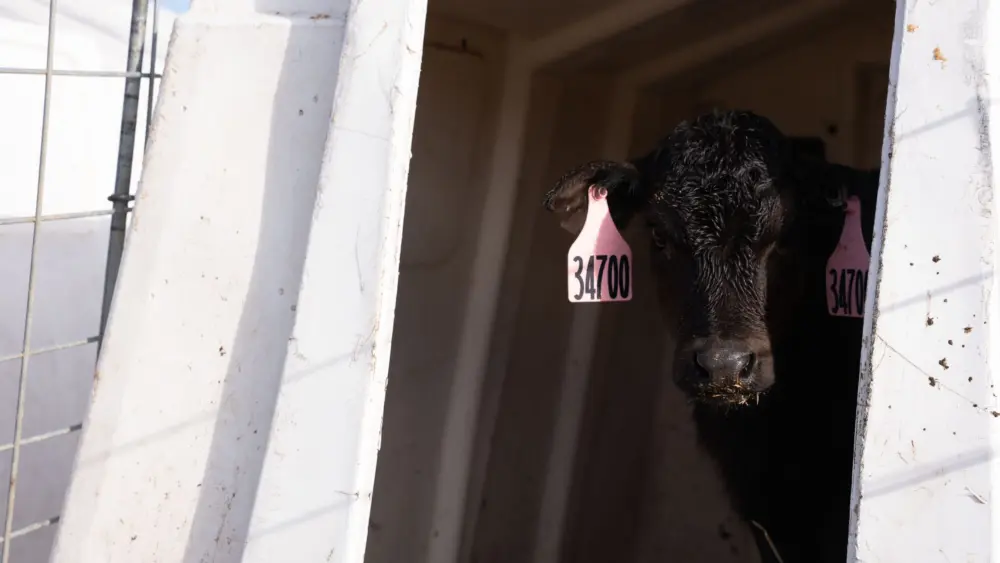
“It really comes down to how the calves are raised,” explained Nathan Meyer, DVM, Boehringer Ingelheim. “A traditional beef calf is going to be with its mother for five to eight months, and then weaned. The beef-on-dairy calf typically enters more of a confinement setting on a dairy farm or a calf ranch in a hutch within a couple of days after being born.”
While confinement systems enable closer monitoring, they also create conditions that allow BRD in cattle to spread more readily, particularly among young calves. Success starts early with strong colostrum management at the dairy level, Dr. Meyer emphasizes.
“We’re relying on the herdsman or employees at the dairy to provide colostrum to these calves,” he added. “Good colostrum management is a key focus of preventing BRD by establishing a baseline for immunity.”
Catching BRD early: What to watch for
Because beef-on-dairy calves are often housed in more intensive systems, producers have opportunities to detect illness sooner.
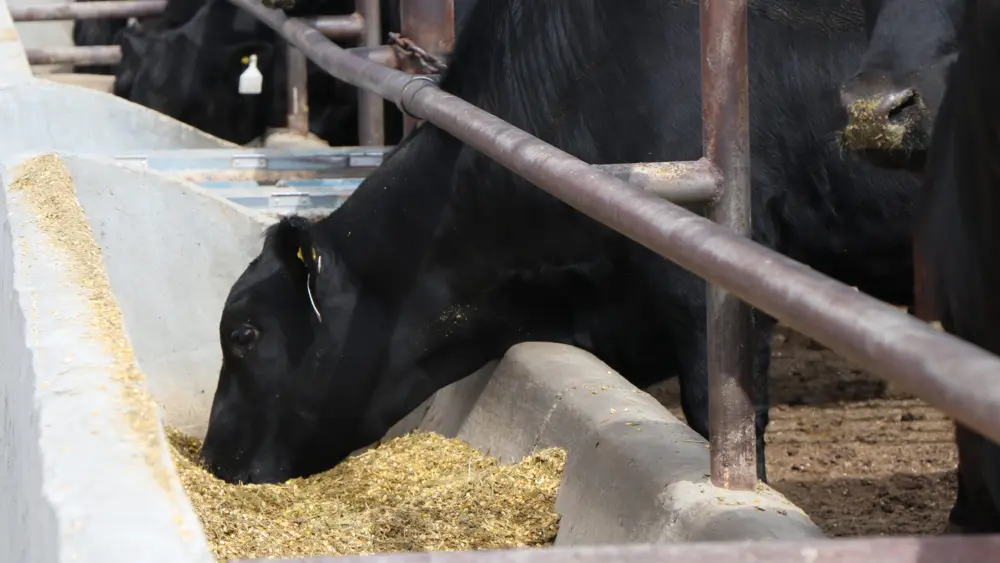
“If an animal’s not eating or drinking, then we know that there’s a good chance something’s going on,” said Dr. Meyer.
Closely monitoring milk and feed intake allows producers to identify drops in consumption, which may be one of the earliest indicators of BRD. In cattle, respiratory disease often begins with subtle changes in attitude and respiration, before more obvious respiratory symptoms begin.
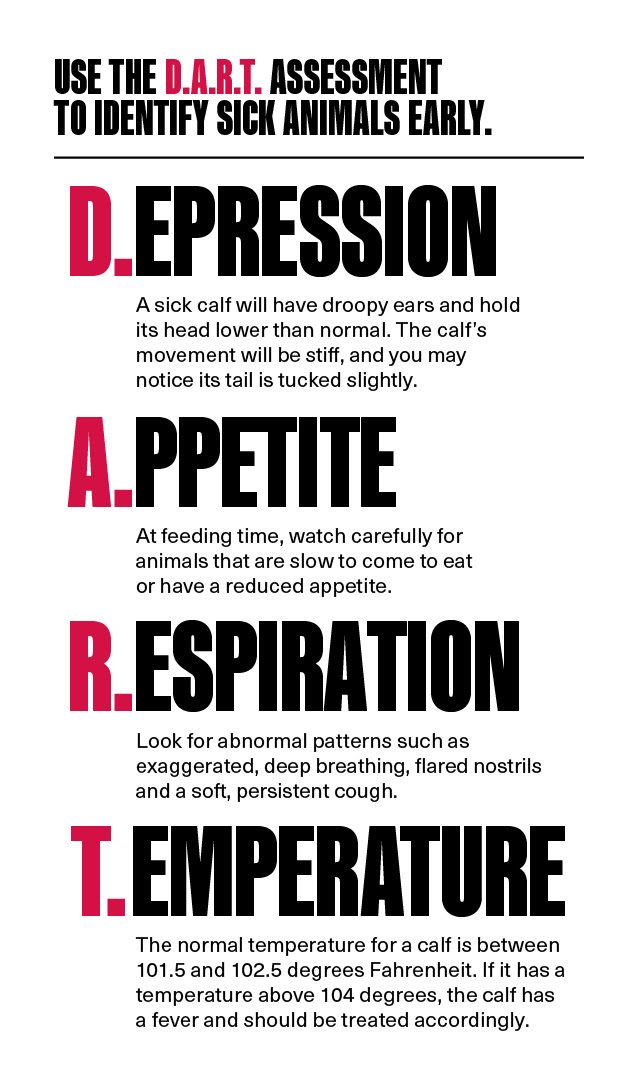
“The warning signs would be depression, with calves not looking bright or alert,” noted Dr. Meyer. “We can also look at respiration. Some people use the term ‘thumping,’ which describes a very short, rapid breath.”
Training employees to recognize these early warning signs is critical. The D.A.R.T assessment is a great reference tool for keeping track of the key symptoms of respiratory disease; Depression, low Appetite, abnormal Respiration and high body Temperature.
“The employees are the boots on the ground — the ones working with these animals,” said Dr. Meyer. “I always advise to really focus on the employee training. If there is turnover in the crew, look to your great, established employees that can be good mentors to newer team members.
Early treatment protects performance
When BRD treatment in cattle is delayed, the consequences extend well beyond a few days off feed.
“If we see calves with decreasing feed or milk intake, we know that’s going to set those animals back,” stated Dr. Meyer.
Performance lost during respiratory illness is rarely fully regained. Beyond short-term setbacks, delayed BRD treatment can cause permanent lung damage.
“Cattle have a large body size compared to lung volume,” said Dr. Meyer. “If a portion of the lung is damaged, it can really impact that animal negatively long term. Treating early allows the animal to perform better later in life.”
In beef-on-dairy cattle, where value is added at every stage, preserving lung health supports average daily gain, feed efficiency and, ultimately, carcass performance.
The economic risk of waiting
Delaying treatment of BRD in cattle carries measurable economic consequences. Beyond lost performance, delayed intervention increases the risk of mortality and secondary infections.
“If we delay treatment too long, then the bacteria replicate, causing more lung damage, and the worst outcome is that those animals might not live,” explained Dr. Meyer.
Calves recovering from pneumonia may also become more susceptible to conditions such as digestive disorders, compounding treatment costs and labor.
With cattle prices at historic highs, Dr. Meyer notes that optimizing health protocols offers an even greater return on investment. Protecting lung health today protects margins tomorrow.
Early intervention supports judicious antibiotic use
Responsible antibiotic stewardship remains a priority across the industry. Contrary to the misconception that treating earlier increases antibiotic use, the opposite is often true.
“When we intervene at the appropriate time, we expect the antibiotic to have its greatest impact,” said Dr. Meyer.
Early, appropriate BRD treatment reduces the need for re-treatment, and lowers the likelihood of mortality or chronic cases.
“That means we can expect fewer doses of antibiotics,” added Dr. Meyer. “Treating at the appropriate time may reduce the need for re-treatment and support responsible antimicrobial use compared to delaying treatment.”
Consistent timing depends on clearly defined treatment protocols, and on tracking how cattle respond.
Clearly defined BRD treatment protocols, including proper post-treatment intervals, improve consistency and outcomes. “You can’t manage what you don’t measure,” asserted Dr. Meyer.
Standardized protocols allow producers and veterinarians to evaluate treatment success, refine decision-making, and ensure that antibiotics are used only when necessary.
Products such as ZACTRAN® (gamithromycin), labeled for BRD treatment in cattle, provide research-backed post-treatment interval data to help veterinarians build comprehensive BRD treatment protocols tailored to beef-on-dairy systems.1,2
A proactive approach pays off
For beef-on-dairy producers, the message is clear: Early BRD intervention protects lung health, improves performance and supports more responsible antibiotic use.
Dr. Meyer offers two final recommendations: Invest in employee training and prioritize accurate data collection. “Together, these strategies help you to detect disease earlier, respond appropriately and improve long-term outcomes,” he concluded.
As beef-on-dairy cattle continue to play a larger role in the industry, proactive BRD treatment protocols — developed in conjunction with a local veterinarian — will remain critical to delivering healthier cattle and stronger returns.
Work closely with your veterinarian to design a comprehensive BRD treatment protocol tailored to your operation.